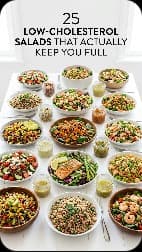

25 Low-Cholesterol Recipes That Are Family-Friendly
Look, I get it. You’re trying to keep your family healthy, but the words “low-cholesterol” probably make everyone at the dinner table groan. Here’s the thing though—eating heart-healthy doesn’t mean bland chicken breast and steamed broccoli for the rest of your life. I’ve spent way too many evenings experimenting in my kitchen, trying to crack the code on meals that are both good for your ticker and actually taste like something you’d want to eat twice.
The real kicker? Most people think cooking low-cholesterol means sacrificing flavor or spending hours meal-prepping like some Instagram wellness guru. Nope. These recipes are designed for real families with real schedules—you know, the kind where soccer practice runs late and homework meltdowns happen right before dinner.
What I’m sharing here are 25 recipes that have genuinely passed the family test in my house. No one’s asking “where’s the real food?” and honestly, that’s the biggest win. Let’s get into it.

Why Low-Cholesterol Actually Matters (Without the Lecture)
Before we dive into the recipes, let’s talk about cholesterol for a hot second. According to research from Mayo Clinic, what you eat directly impacts your blood cholesterol levels. But here’s what most people miss—it’s not just about cutting out eggs or avoiding butter.
30-Day Cholesterol Reset System
A simple done-for-you plan to help you eat heart-healthy every day without confusion.
Over 1,000 people downloaded this guide
✔ 100 Easy Recipes
✔ Grocery Lists + Meal Prep Guide
🎁 FREE BONUSES:
✔ 7-Day Quick Start Plan
✔ Printable Grocery List
$29 $9
Get Instant AccessThe American Heart Association emphasizes that focusing on overall dietary patterns rather than obsessing over single foods works way better. Think Mediterranean-style eating: lots of vegetables, whole grains, lean proteins, and healthy fats. That’s the sweet spot where health meets actual enjoyment.
Saturated fats are usually the real villain here, not necessarily dietary cholesterol itself. Red meat, full-fat dairy, and processed foods tend to pack both, which is why swapping them out makes such a difference. But you don’t have to eat like a rabbit to see results.
Breakfast Ideas That Don’t Feel Like Punishment
Mornings are chaos in most households, mine included. The last thing anyone wants is a complicated breakfast routine. These recipes are quick, filling, and won’t have your kids side-eyeing their plates.
Overnight Oats with Berries and Walnuts
Overnight oats are basically the MVP of low-cholesterol breakfasts. You mix everything the night before, stick it in the fridge, and wake up to breakfast that’s ready to go. I use old-fashioned rolled oats, almond milk, a handful of blueberries, and some chopped walnuts. The tiny mason jars I picked up make portion control stupidly easy, plus they’re grab-and-go friendly.
Walnuts are packed with omega-3 fatty acids, which actually help lower LDL (that’s the bad cholesterol, FYI). Berries add natural sweetness without the sugar crash. If you need more morning fuel ideas, check out these low-cholesterol breakfast options for heart health.
Veggie-Packed Egg White Scramble
Egg whites get a bad rap for being boring, but hear me out. When you load them up with sautéed peppers, spinach, mushrooms, and onions, they’re actually pretty fantastic. I use this nonstick skillet that requires barely any oil, which keeps the fat content down without sacrificing that golden-brown finish.
The trick is not overcooking them—nobody wants rubbery eggs. Keep the heat medium and stir frequently. Top with a sprinkle of nutritional yeast for a cheesy flavor without actual cheese. Serve with whole wheat toast and you’ve got a solid breakfast that clocks in under 300 calories. Get Full Recipe.
Smoothie Bowls That Actually Keep You Full
Smoothie bowls can be tricky because they’re often just sugar bombs disguised as health food. The key is balancing fruit with protein and healthy fats. I blend frozen banana, a handful of spinach (trust me, you won’t taste it), plant-based protein powder, and unsweetened almond milk.
Top with sliced almonds, chia seeds, and fresh berries. The chia seeds are clutch here—they’re loaded with fiber and omega-3s, both of which support heart health. Plus, they give the bowl this nice texture that makes it feel more substantial than just drinking a smoothie.
Looking for more quick breakfast wins? These low-cholesterol breakfasts under 300 calories are total lifesavers on busy mornings.
Lunches That Won’t Leave You Starving by 3 PM
Lunch is where most people fall off the wagon. You’re busy, you’re hungry, and suddenly that drive-thru is looking real tempting. These recipes are designed to keep you satisfied without the post-lunch food coma.
Mediterranean Chickpea Salad
This salad has become my go-to lunch at least three times a week. Chickpeas are the base—they’re high in protein and fiber, which keeps you full for hours. Add cherry tomatoes, cucumber, red onion, kalamata olives, and a lemon-herb dressing made with olive oil.
I meal prep this in these glass containers with divided sections so the dressing doesn’t make everything soggy. Pro tip: add the dressing right before you eat. The whole thing comes together in maybe 10 minutes, and it travels well if you’re packing lunch for work.
Turkey and Avocado Lettuce Wraps
Ditch the bread and use large lettuce leaves instead—butter lettuce works great because it’s sturdy but not tough. Layer sliced turkey breast, avocado, tomato, and a smear of hummus. Roll it up like a burrito.
Avocado is one of those magical foods that’s high in fat but the good kind—monounsaturated fat that actually helps lower bad cholesterol. The turkey keeps it lean without feeling like diet food. These wraps are stupid simple and surprisingly filling. Get Full Recipe.
If you’re hunting for more midday meal ideas, check out these lunches that actually keep you satisfied or these super quick options under 10 minutes.
Quinoa Buddha Bowl with Roasted Veggies
Buddha bowls are basically just fancy grain bowls, but they work. Start with a base of cooked quinoa—it’s a complete protein, which is rare for grains. Pile on roasted sweet potato, broccoli, and bell peppers. Drizzle with tahini sauce.
I roast all my veggies on this silicone baking mat that makes cleanup ridiculously easy. No oil needed, nothing sticks, and your sheet pans stay pristine. These bowls are endlessly customizable based on what’s in your fridge, which is clutch when you’re trying to use up produce before it goes bad.
“I started making these chickpea salads for lunch and honestly didn’t realize how much better I’d feel. No more afternoon crashes, and I’ve dropped 12 pounds in two months without really trying.” — Sarah, community member
Dinner Recipes Your Family Will Actually Eat
Dinner is where the rubber meets the road. This is when you find out if your family will embrace heart-healthy eating or stage a mutiny. These recipes have all been kid-tested and spouse-approved in my house.
Baked Lemon Herb Salmon
Salmon is basically a cholesterol-lowering superstar. It’s rich in omega-3 fatty acids that actively work to reduce bad cholesterol and inflammation. I season filets with lemon juice, garlic, fresh dill, and a tiny bit of olive oil, then bake at 400°F for about 12-15 minutes.
The key is not overcooking it—salmon should be slightly pink in the center. Serve with roasted asparagus and brown rice. Even my pickiest kid eats this without complaint, which is saying something. Get Full Recipe.
For more fish-forward meals, these chicken recipes packed with flavor are also fantastic if salmon isn’t your jam.
One-Pan Chicken and Veggie Bake
This is peak lazy cooking in the best way possible. Toss chicken breasts with zucchini, cherry tomatoes, red onion, and baby potatoes on a sheet pan. Season with Italian herbs, garlic powder, a drizzle of olive oil, salt, and pepper. Bake everything together for 25-30 minutes.
One pan means minimal cleanup, which is honestly half the battle on weeknights. The vegetables get all caramelized and delicious, and the chicken stays juicy if you don’t overdo it. My oversized rimmed baking sheet fits everything without crowding, which helps things roast instead of steam.
If one-pan cooking speaks to your soul, definitely explore these one-pan dinners for easy nights.
Turkey Chili with Beans
Chili is comfort food that happens to be heart-healthy if you do it right. Use lean ground turkey instead of beef, load it with kidney beans and black beans, add diced tomatoes, onions, peppers, and your favorite chili spices.
Let it simmer for at least 30 minutes so all the flavors meld together. I make a huge pot in my Dutch oven and freeze half for later. Beans are fiber powerhouses that help lower cholesterol naturally, plus they make the chili super hearty and filling.
Veggie-Loaded Spaghetti with Marinara
This is what I make when I need dinner done in 20 minutes flat. Use whole wheat spaghetti, which has way more fiber than regular pasta. While the pasta cooks, sauté zucchini, mushrooms, spinach, and bell peppers in a bit of olive oil.
Toss everything with a good quality marinara sauce (check the label for added sugar and sodium). Top with fresh basil and a sprinkle of nutritional yeast if you want that parmesan vibe without the saturated fat. Even veggie-averse kids will eat this because the pasta is the star and the vegetables are basically camouflaged. Get Full Recipe.
For complete family dinner solutions, check out these family dinners everyone will love or these dinners you’ll want on repeat.
Snacks That Don’t Derail Your Progress
Snacking is where people often stumble. You’re trying to be good, then 4 PM hits and suddenly you’re elbow-deep in a bag of chips. Having go-to snacks ready makes all the difference.
Hummus with Veggie Sticks
This is probably the most obvious snack ever, but it works. Homemade hummus is stupidly easy—blend chickpeas, tahini, lemon juice, garlic, and a bit of water until smooth. Done.
Pair with carrot sticks, cucumber slices, bell pepper strips, and celery. The fiber and protein combo keeps hunger at bay until dinner. I use this mini food processor for small batches that don’t require dragging out my full-size blender.
Apple Slices with Almond Butter
Simple, portable, and genuinely satisfying. The fiber in the apple plus the healthy fats and protein in almond butter make this a balanced snack that actually holds you over. Just watch portions on the almond butter—these pre-portioned packs help prevent the “whoops, I ate half the jar” situation.
Air-Popped Popcorn with Nutritional Yeast
Popcorn is a whole grain, which means it’s actually a decent snack option if you skip the butter. I use this air popper that makes it crispy without any oil. Sprinkle with nutritional yeast for a cheesy flavor and a B-vitamin boost.
You can eat a pretty substantial portion for minimal calories and zero cholesterol. It’s crunchy, savory, and hits that snack craving without derailing your entire day. For more snacking inspiration, these snacks that support heart health are all solid choices.
Desserts That Won’t Wreck Your Efforts
Let’s be real—life without dessert is just sad. The good news? You can absolutely enjoy sweets without loading up on saturated fat and cholesterol.
Frozen Banana “Nice Cream”
This is basically the easiest dessert on the planet. Freeze ripe bananas (peeled and sliced), then blend them until creamy. That’s it. The texture is shockingly similar to soft-serve ice cream.
Add cocoa powder for chocolate, or blend with frozen berries for fruit flavors. I use my high-speed blender because it powers through frozen fruit like a champ. No added sugar, no dairy, no guilt. Just pure frozen banana magic.
Oatmeal Cookies with Dark Chocolate Chips
These cookies use mashed banana as a binder instead of butter and eggs. Mix oats, ripe banana, a touch of maple syrup, vanilla extract, and dark chocolate chips. Bake at 350°F for 12 minutes.
Dark chocolate (70% cacao or higher) actually contains flavonoids that can improve heart health. These cookies are chewy, slightly sweet, and way better than they have any right to be considering they’re basically health food. Get Full Recipe.
For more sweet endings, explore these guilt-free desserts that’ll satisfy your sweet tooth without the health hit.
Meal Prep Strategies That Actually Work
Here’s where most people get tripped up—they have good intentions but no plan. Meal prep doesn’t have to mean spending your entire Sunday in the kitchen like some influencer.
The Two-Hour Sunday Strategy
Pick two hours on Sunday. Roast a big batch of vegetables, cook a large pot of quinoa or brown rice, and prep your proteins for the week. I’ll bake several chicken breasts, maybe cook some salmon, and sometimes make a batch of turkey chili.
Store everything in separate containers so you can mix and match throughout the week. This approach is way more flexible than making complete meals in advance, which tend to get boring by day three.
The Breakfast Batch Method
Make a week’s worth of one breakfast recipe. Maybe it’s overnight oats one week, then egg muffins the next. Having breakfast handled removes one decision from your morning routine, which is surprisingly liberating.
I portion everything into individual containers using these stackable meal prep containers that fit perfectly in my fridge and don’t leak when you toss them in a bag.
For comprehensive meal prep guidance, check out these meal prep ideas for the entire week.
Making It Work with Picky Eaters
If you’ve got kids or a partner who thinks vegetables are evil, you know the struggle. Here’s what’s worked in my house.
The Stealth Vegetable Technique
Blend vegetables into sauces and soups where they’re undetectable. Puree carrots and cauliflower into marinara sauce. Blend spinach into smoothies. Add finely chopped mushrooms to ground turkey for tacos.
Yes, it feels a bit sneaky, but sometimes you do what works. Over time, I’ve noticed my kids becoming more adventurous with vegetables once they realize the world didn’t end from consuming them.
The Build-Your-Own Bowl Strategy
Set out all the components separately and let everyone build their own bowl. You have the base (rice, quinoa, pasta), proteins (chicken, beans, tofu), vegetables, and toppings. People are way more likely to eat stuff they assembled themselves.
This works for Buddha bowls, taco bowls, salad bowls, basically any format where you can deconstruct the meal. Plus, everyone gets exactly what they want, which cuts down on the dinnertime negotiations.
When You’re Too Tired to Cook
Some nights, even the easiest recipe feels like climbing Everest. That’s when you need your emergency lazy meal options.
Rotisserie Chicken Rescue
Buy a rotisserie chicken from the grocery store. Remove the skin (that’s where most of the saturated fat hides), shred the meat, and serve with pre-washed salad greens and a whole grain roll. Dinner in five minutes.
Use the leftover chicken for lunch bowls or add it to soup. This single grocery store shortcut has saved my sanity more times than I can count.
The Fancy Toast Formula
Toast whole grain bread, top with mashed avocado, and add whatever protein you have—sliced turkey, chickpeas, a fried egg white. Sprinkle with everything bagel seasoning.
It’s basically breakfast for dinner, but it works. The whole grain bread provides fiber, avocado brings healthy fats, and the protein keeps you satisfied. Done in 10 minutes max. For more last-minute solutions, these lazy meals for busy people are legitimate lifesavers.
The Comfort Food Makeovers
Just because you’re eating heart-healthy doesn’t mean you have to give up your favorite comfort foods. You just need to get creative with swaps.
Healthier Mac and Cheese
Use whole wheat pasta, make a sauce with pureed butternut squash and a bit of low-fat milk, add nutritional yeast for cheesy flavor. It’s creamy, comforting, and way lower in saturated fat than traditional mac and cheese.
My kids genuinely prefer this version now, which I never thought would happen. The squash makes the sauce silky and adds natural sweetness that balances the dish perfectly. Get Full Recipe.
Turkey Meatballs in Marinara
Swap ground beef for ground turkey, use whole wheat breadcrumbs, and add lots of Italian herbs. Bake instead of frying. Simmer in marinara sauce and serve over whole wheat spaghetti or zucchini noodles.
These meatballs are tender, flavorful, and nobody misses the beef. I make double batches and freeze half for those nights when cooking feels impossible. For more comfort food inspiration, check out these comfort foods made healthy.
Ingredient Swaps That Make a Difference
Sometimes small swaps in your existing recipes make a huge impact on cholesterol levels without changing the flavor much at all.
Dairy Alternatives
Use almond milk, oat milk, or soy milk instead of whole milk. Choose low-fat Greek yogurt over sour cream. Try cashew cream instead of heavy cream in soups and sauces.
These swaps dramatically reduce saturated fat while keeping recipes creamy and satisfying. I barely notice the difference anymore, and my cholesterol numbers definitely improved.
Fat and Oil Choices
Replace butter with olive oil or avocado oil in most recipes. Use applesauce or mashed banana in baked goods. Choose cooking spray over pouring oil directly.
Olive oil is rich in monounsaturated fats that actually help improve cholesterol levels. According to American Heart Association guidelines, choosing the right fats is crucial for managing cholesterol effectively.
Protein Swaps
Choose skinless chicken breast over dark meat. Pick lean ground turkey over beef. Try fish twice a week instead of red meat. Use beans and lentils as protein sources.
These changes reduce saturated fat intake significantly. Beans and lentils are especially great because they’re high in soluble fiber, which actively helps lower cholesterol. For more plant-forward meals, explore these vegetarian meals you’ll actually crave.
Frequently Asked Questions
Can I really lower my cholesterol just by changing what I eat?
Absolutely. Research shows that dietary changes can reduce LDL cholesterol by 5-10% on average, with some people seeing drops of 30% or more. The key is consistency—you need to stick with it for at least a month to see real changes. Focus on reducing saturated fats, increasing fiber intake, and adding more omega-3 rich foods to your diet.
How long does it take to see cholesterol improvements from diet changes?
Most people start seeing measurable improvements in their cholesterol numbers within 30 days of making consistent dietary changes. However, the timeline varies based on your starting point, genetics, and how strictly you follow the plan. Some individuals see changes in as little as two weeks, while others might take 2-3 months to see significant shifts.
Are eggs really off-limits for low-cholesterol eating?
Not necessarily. Current guidelines have evolved on this topic. While eggs do contain dietary cholesterol, research shows that dietary cholesterol has less impact on blood cholesterol than previously thought. The bigger concern is saturated fat. For most people, eating eggs in moderation (especially egg whites) as part of an overall heart-healthy diet is perfectly fine.
What’s the difference between good and bad cholesterol?
LDL (low-density lipoprotein) is “bad” cholesterol that can build up in your arteries and increase heart disease risk. HDL (high-density lipoprotein) is “good” cholesterol that actually helps remove LDL from your bloodstream. The goal is to lower LDL while maintaining or increasing HDL through diet, exercise, and lifestyle changes.
Can I eat out at restaurants while following a low-cholesterol diet?
Yes, but you need to be strategic. Choose grilled or baked proteins instead of fried, ask for dressings and sauces on the side, load up on vegetable sides, and skip the bread basket. Most restaurants will accommodate special requests if you just ask. Don’t be shy about customizing orders—your health is worth it.
Final Thoughts on Family-Friendly Heart Health
Here’s the bottom line: eating low-cholesterol doesn’t have to feel like deprivation or punishment. These 25 recipes prove that you can feed your family meals they’ll actually enjoy while supporting everyone’s heart health. No weird ingredients, no complicated techniques, just real food that happens to be good for you.
The biggest shift for me was realizing that heart-healthy eating isn’t about perfection. It’s about making better choices most of the time and finding recipes that work with your actual life—not some idealized version where you have endless time and energy.
Start with a few recipes that sound good to you. Give them an honest try. If your family doesn’t love something, move on to the next option. The goal is finding your rotation of meals that everyone eats without complaint, which frees up your mental energy for literally anything else.
IMO, the most sustainable approach is gradual. Swap out one or two meals a week initially, then build from there as things become routine. You’re not overhauling your entire existence overnight—you’re just slowly shifting toward choices that happen to support better health outcomes.
Your heart will thank you, your energy levels will improve, and honestly? You’ll probably discover some new favorite meals along the way. That’s been the surprising part for me—some of these “healthy” recipes have completely replaced our old go-tos simply because they taste better.
30-Day Cholesterol-Lowering Meal Plan
A simple step-by-step system to help you eat heart-healthy every day without stress.
Over 1,000 people downloaded this guide
$29$9
Get Instant Access