
25 Heart Healthy Recipes You’ll Want to Make Again
Look, I get it. “Heart healthy” used to mean bland chicken breast and steamed broccoli that squeaked when you chewed it. But here’s the thing: eating for your heart doesn’t mean sacrificing flavor or spending three hours in the kitchen.
These 25 recipes prove you can lower your cholesterol, support your cardiovascular system, and actually enjoy what’s on your plate. No weird ingredients you can’t pronounce. No recipes that require a culinary degree. Just real food that happens to be good for the most important muscle in your body.

Why Your Heart Actually Cares What You Eat
Before we jump into recipes, let’s talk about why this matters. Your heart pumps about 2,000 gallons of blood every single day. That’s basically a swimming pool moving through your body daily. What you eat directly affects how well it does that job.
Saturated fats, trans fats, and excess sodium make your heart work harder than it needs to. Meanwhile, omega-3 fatty acids, fiber, and healthy fats from sources like olive oil actually support heart function and help keep your arteries clear. According to Mayo Clinic’s nutrition experts, emphasizing plant-based foods and healthy fats while limiting full-fat dairy and red meat can significantly reduce heart disease risk.
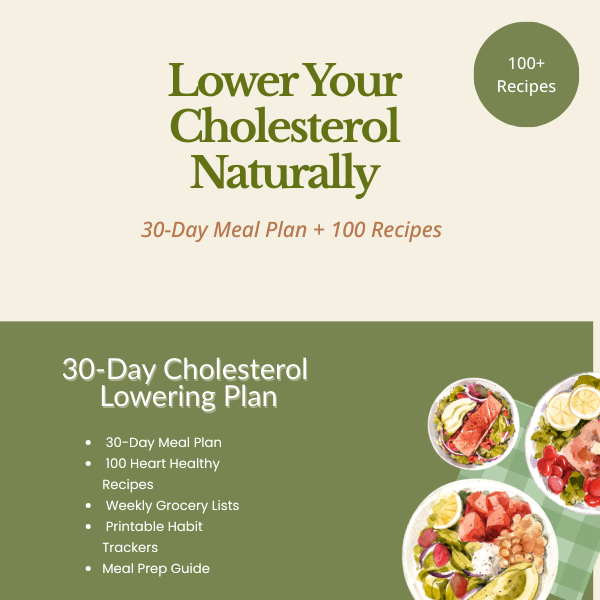
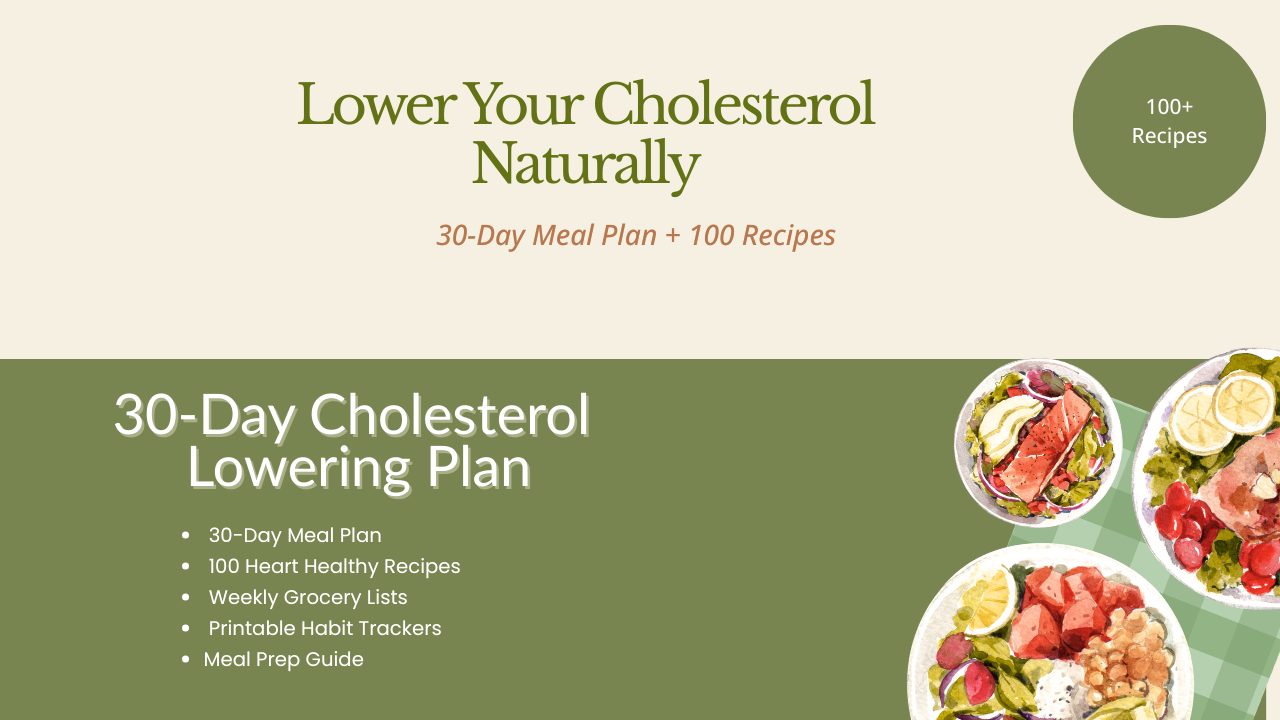
30-Day Cholesterol Reset System
A simple done-for-you plan to help you eat heart-healthy every day without confusion.
Over 1,000 people downloaded this guide
✔ 100 Easy Recipes
✔ Grocery Lists + Meal Prep Guide
🎁 FREE BONUSES:
✔ 7-Day Quick Start Plan
✔ Printable Grocery List
$29 $9
Get Instant AccessThe American Heart Association recommends focusing on whole grains, lean proteins, and plenty of fruits and vegetables. But they also acknowledge something crucial: if it doesn’t taste good, you won’t stick with it.
The Building Blocks of Heart-Healthy Cooking
Here’s what makes these recipes work for your heart: they’re built around ingredients that actively support cardiovascular health instead of just avoiding the bad stuff.
Omega-3 Rich Fish
Salmon, mackerel, and sardines aren’t just trendy—they’re packed with omega-3 fatty acids that reduce inflammation and lower triglycerides. I use this fish spatula because it’s the only one that doesn’t shred delicate fillets into confetti.
Want more ideas with fish? Check out these low-cholesterol meals that are actually delicious for inspiration.
Whole Grains That Don’t Taste Like Punishment
Quinoa, farro, brown rice—these aren’t just Instagram food. Whole grains contain soluble fiber that binds to cholesterol in your digestive system and shows it the exit. The trick is cooking them in broth instead of water. Game changer.
Vegetables (But Make It Interesting)
If you think heart-healthy means surviving on salad, I’ve got news for you. Roasted vegetables with a drizzle of olive oil and the right seasonings? That’s where it’s at. I swear by this silicone baking mat—zero sticking, zero scrubbing, and your veggies actually caramelize instead of steaming into mush.
Breakfast Recipes That Don’t Spike Your Cholesterol
Mornings are rough enough without worrying about whether your breakfast is slowly clogging your arteries. These recipes get you out the door feeling satisfied, not sluggish.
Start with oatmeal—but not the sad, gloopy kind. Steel-cut oats cooked with cinnamon, topped with walnuts and fresh berries give you that satisfying stick-to-your-ribs feeling without the cholesterol spike. The beta-glucan in oats literally helps remove LDL cholesterol from your bloodstream.
Greek yogurt parfaits work if you use plain, unsweetened yogurt and add your own fruit. Skip the pre-sweetened stuff—it’s basically dessert pretending to be breakfast. Layer it with homemade granola (so easy to make in batches) and fresh berries.
For a complete guide to morning meals that support heart health, explore these low-cholesterol breakfast ideas.
Avocado Toast (But Elevated)
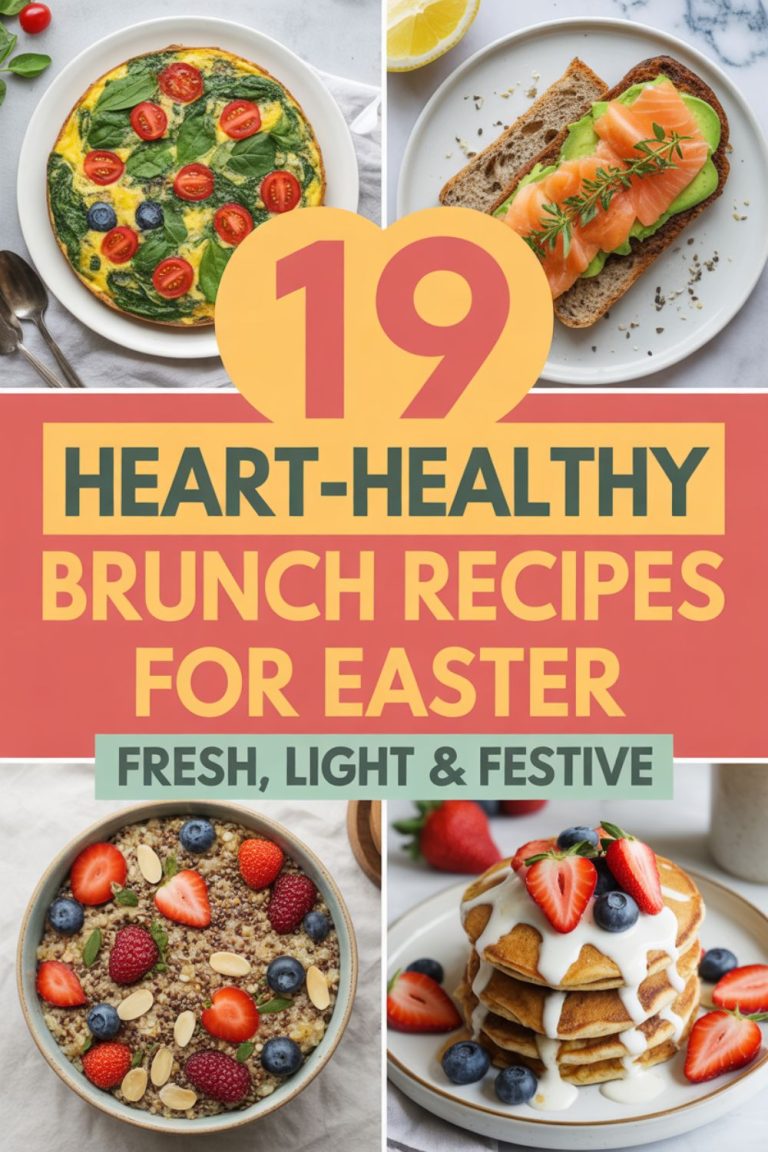
Yeah, I know, avocado toast is everywhere. But there’s a reason: avocados are loaded with monounsaturated fats that actually lower bad cholesterol. Use whole grain bread, mash the avocado with lemon juice and red pepper flakes, top with a poached egg. Protein, fiber, healthy fats—your heart will thank you.
Pro tip: This egg poacher changed my mornings. No more fishing broken yolks out of swirling water like some kind of breakfast archaeologist.
Lunches That Keep You Full Without Weighing You Down
The afternoon slump is real, but it’s usually caused by what you ate at lunch, not some mysterious energy curse. These recipes keep your energy steady and your arteries clear.
Mediterranean quinoa bowls are my go-to. Cooked quinoa, chickpeas, cucumber, tomatoes, red onion, kalamata olives, and a lemon-olive oil dressing. It’s basically salad that doesn’t make you sad.
If you’re looking for more midday options, these low-cholesterol lunches are designed to actually satisfy you until dinner.
The Power of Bean-Based Meals
Black bean tacos, lentil soup, chickpea curry—legumes are protein powerhouses that cost almost nothing and store forever. They’re also packed with soluble fiber that helps control blood sugar and cholesterol.
I make a big batch of black bean soup in my slow cooker every Sunday. Four hours later, I have lunches for the week that actually taste better each day as the flavors develop.
Dinner Recipes Your Whole Family Will Actually Eat
This is where most heart-healthy eating plans fall apart. You can’t survive on different meals than your family, and you can’t force everyone to eat food that tastes like cardboard.
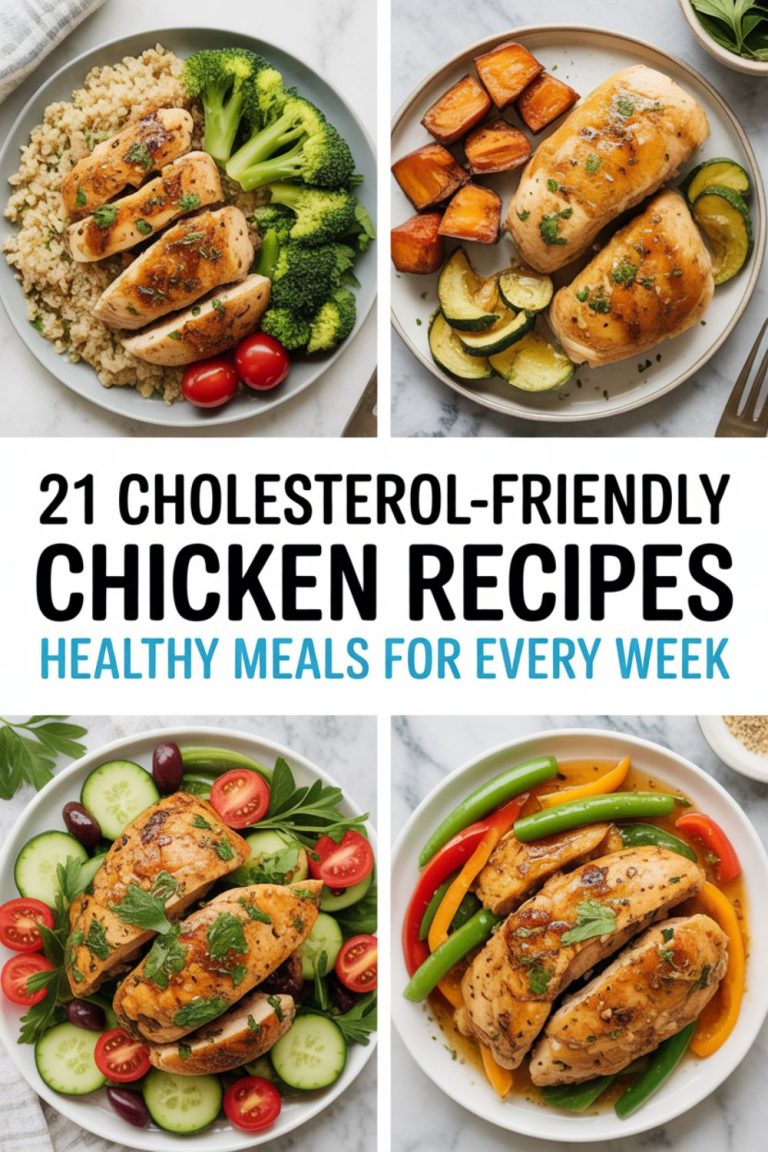
The solution? Make the healthy version so good nobody notices it’s “healthy.” Sheet pan dinners are your friend here. Salmon with roasted vegetables, chicken with sweet potatoes and Brussels sprouts, or tofu with broccoli and bell peppers—everything cooks together, flavors meld, and cleanup is one pan.
For variety in your dinner rotation, try these low-cholesterol dinners you’ll want to make again.
The Secret to Flavorful Fish
Fish gets a bad rap because people overcook it into rubber. Cook salmon at 400°F for about 12-15 minutes, depending on thickness. That’s it. Season with lemon, garlic, and dill, or go Asian with soy sauce, ginger, and sesame oil.
Want more fish inspiration? Check out these chicken recipes packed with flavor that use similar cooking techniques.
Vegetarian Options That Don’t Feel Like You’re Missing Something
I’m not vegetarian, but some of my favorite heart-healthy dinners happen to be plant-based. Eggplant parmesan (using this mandoline slicer for perfectly even slices), vegetable stir-fry with tofu, or stuffed bell peppers with quinoa and black beans.
For more plant-based inspiration, explore these low-cholesterol vegetarian meals you’ll actually crave.
Kitchen Tools That Make Heart-Healthy Cooking Easier
Look, you don’t need a kitchen full of gadgets. But a few key tools make the difference between “I’ll cook tonight” and “let’s just order pizza.”
Cast Iron Skillet
The workhorse of heart-healthy cooking. Sear fish, roast vegetables, even bake cornbread. Mine’s 10 years old and gets better with age.
High-Speed Blender
Smoothies, soups, homemade nut butters. If you’re serious about eating more plants, this thing pays for itself in skipped coffee shop trips.
Digital Food Scale
Portions matter for heart health. This takes the guesswork out without making you feel like you’re in a chemistry lab.
Heart-Healthy Recipe Database
Digital cookbook with 500+ tested recipes, all with complete nutritional information. Searchable by ingredient, prep time, and dietary needs.
Meal Planning Template Bundle
Weekly meal planners, shopping list templates, and batch cooking guides. Makes the whole “eating healthy” thing actually manageable.
Cholesterol Tracking App Subscription
Log your meals, track your cholesterol trends, get personalized recipe recommendations. Having the data makes all the difference.
Snacks That Support Your Heart (Not Just Your Cravings)
The 3 PM slump hits, and suddenly a vending machine candy bar sounds like a reasonable life choice. But snacking doesn’t have to sabotage your heart health.
Raw almonds, apple slices with almond butter, or homemade trail mix (not the kind loaded with candy and yogurt chips) give you energy without the crash. I keep these small storage containers filled with portions so I’m not accidentally eating a week’s worth of nuts in one sitting.
For a complete list of heart-healthy snacking options, check out these low-cholesterol snacks that support heart health.
The Truth About “Healthy” Processed Snacks
Most protein bars are candy bars with better marketing. Read the labels. If sugar is the first or second ingredient, it’s not a health food, no matter what the package says.
Better option? Make your own energy balls with dates, oats, and nuts in a food processor. Takes 10 minutes, lasts two weeks in the fridge, and you know exactly what’s in them.
Desserts That Won’t Undo All Your Hard Work
Life without dessert isn’t really living, right? The good news: you don’t have to choose between your heart health and satisfying your sweet tooth.
Dark chocolate (70% cacao or higher) contains flavonoids that actually support heart health. A small square after dinner scratches the chocolate itch without the guilt.
Baked apples with cinnamon and a drizzle of honey taste like apple pie without the butter and refined sugar. Roast them at 350°F for about 30 minutes, top with a sprinkle of toasted walnuts, and you’ve got a dessert that feels indulgent but won’t spike your cholesterol.
Want more sweet options? These low-cholesterol desserts prove you don’t have to skip the final course.
Meal Prep Strategies for Busy People
Here’s the thing nobody tells you: eating heart-healthy isn’t hard when you have time. It’s hard at 7 PM on Wednesday when you’re exhausted and there’s nothing in the fridge.
The solution? Batch cooking. I know, I know—it sounds like meal prep Instagram where everything’s in perfect little containers. But it doesn’t have to be that complicated.
The Sunday Power Hour
One hour. That’s all you need. Cook a big batch of quinoa or brown rice. Roast a sheet pan of vegetables. Grill or bake some chicken or salmon. Chop vegetables for the week.
Store everything separately in glass containers (plastic absorbs odors and I’m convinced everything eventually tastes like leftover onions). Mix and match throughout the week for different meals.
For complete meal prep guidance, check out these low-cholesterol meal prep ideas for the week.
One-Pan Dinners for Minimal Cleanup
Sometimes the hardest part of cooking isn’t the cooking—it’s facing a sink full of dishes afterward. One-pan meals solve this problem while still delivering on flavor and nutrition.
Sheet pan chicken with vegetables, one-pot pasta primavera, or skillet salmon with asparagus all come together with minimal effort and even less cleanup. Your future self will thank you when there’s only one pan to wash.
These one-pan dinner recipes are specifically designed for those nights when you want real food without the hassle.
Foods That Naturally Lower Cholesterol
Some ingredients actively work to lower your cholesterol levels, not just avoid raising them. Building your meals around these foods gives you an edge.
Oats, barley, beans, eggplant, okra, apples, and citrus fruits all contain soluble fiber that binds to cholesterol. Fatty fish provides omega-3s. Nuts give you plant sterols. Olive oil offers healthy monounsaturated fats.
The trick is incorporating multiple cholesterol-lowering foods in each meal. For a comprehensive list, check out these foods that naturally lower cholesterol.
Quick Recipes for People Who Hate Spending Time in the Kitchen
Not everyone wants to spend an hour making dinner. Some of us just want to eat and move on with life. These recipes respect your time.
Ten-minute dinners aren’t a myth. Seared salmon with a side salad? Eight minutes. Scrambled eggs with whole grain toast and avocado? Five minutes. Pre-cooked rotisserie chicken over pre-washed greens with olive oil and lemon? Three minutes.
For more time-saving options, try these quick low-cholesterol lunches under 10 minutes.
Soups and Stews That Warm Your Heart (Literally)
There’s something deeply comforting about a bowl of soup, and the good news is that soups and stews are naturally heart-healthy when you build them right.
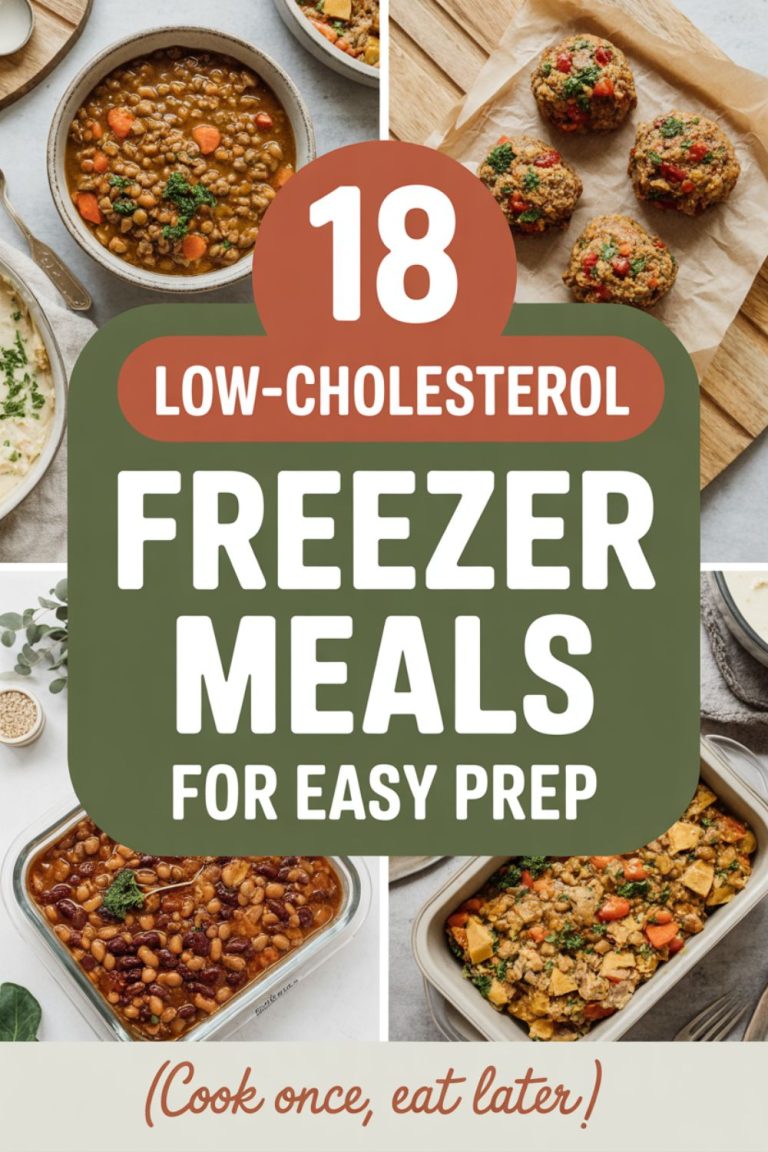
Lentil soup, vegetable minestrone, chicken and vegetable stew—they’re all packed with fiber, lean protein, and nutrients while being naturally low in saturated fat. Plus, they taste better the next day, making them perfect for meal prep.
I make soup in my Dutch oven because it distributes heat evenly and everything comes out perfectly. One pot, dozens of servings, and your kitchen smells amazing.
Explore more warming options with these low-cholesterol soups and stews.
The Role of Smoothies in Heart Health
Smoothies get a bad rap because most store-bought versions are basically milkshakes masquerading as health food. But done right, they’re an easy way to pack nutrients into one glass.
Start with leafy greens (spinach disappears in smoothies—trust me, you won’t taste it). Add frozen berries for antioxidants. Throw in a tablespoon of ground flaxseed for omega-3s and fiber. Use unsweetened almond milk as your base.
Skip the fruit juice, skip the sweetened yogurt, and definitely skip the “superfood powder” that costs $40 and does nothing. For tested recipes that actually work, check out these low-cholesterol smoothies and juices.
Frequently Asked Questions
Can I really lower my cholesterol just by changing what I eat?
Absolutely. Diet can significantly impact your cholesterol levels—sometimes as much as medication for some people. The key is consistency and focusing on foods that actively lower cholesterol (like oats, legumes, and fatty fish) while limiting saturated fats and trans fats. Most people see noticeable changes within 4-6 weeks of dietary changes.
How much fish should I really be eating for heart health?
The American Heart Association recommends at least two servings of fatty fish per week, with each serving being about 3.5 ounces cooked. Salmon, mackerel, herring, sardines, and albacore tuna are your best bets because they’re highest in omega-3 fatty acids. If you can’t stand fish, consider fish oil supplements, but whole food sources are always better.
Are all fats bad for my heart?
Not at all. Your heart actually needs certain fats to function properly. Monounsaturated fats (found in olive oil, avocados, and nuts) and polyunsaturated fats (found in fatty fish and some nuts) are beneficial and can help lower bad cholesterol. It’s saturated fats (mainly from red meat and full-fat dairy) and trans fats (in processed foods) that you want to limit.
What’s the difference between HDL and LDL cholesterol?
Think of LDL as the “bad” cholesterol that deposits plaque in your arteries, increasing heart disease risk. HDL is the “good” cholesterol that actually removes LDL from your bloodstream. You want high HDL and low LDL. Heart-healthy eating focuses on lowering LDL while maintaining or raising HDL.
Can I still eat out while maintaining a heart-healthy diet?
Yes, but you need to be strategic. Choose grilled or baked options over fried, ask for dressings and sauces on the side, load up on vegetables, and watch your portions (restaurant servings are usually 2-3 times what you need). Don’t be afraid to ask how something is prepared or request modifications—any decent restaurant will accommodate reasonable requests.
The Bottom Line
Heart-healthy eating isn’t about deprivation or eating food that tastes like disappointment. It’s about making smart swaps, understanding which ingredients actually support your cardiovascular system, and finding recipes you’ll genuinely want to make again.
Start with one or two recipes from this list. Master them. Then add a couple more. Before you know it, this way of eating becomes second nature, not a chore. Your heart’s been working nonstop since before you were born—give it the fuel it deserves.
The recipes are here. The information is here. The only thing left is deciding that your heart health matters enough to do something about it. And if you’ve read this far, I’m guessing you’ve already made that decision.
Now get cooking.
30-Day Cholesterol-Lowering Meal Plan
A simple step-by-step system to help you eat heart-healthy every day without stress.
Over 1,000 people downloaded this guide
$29$9
Get Instant Access