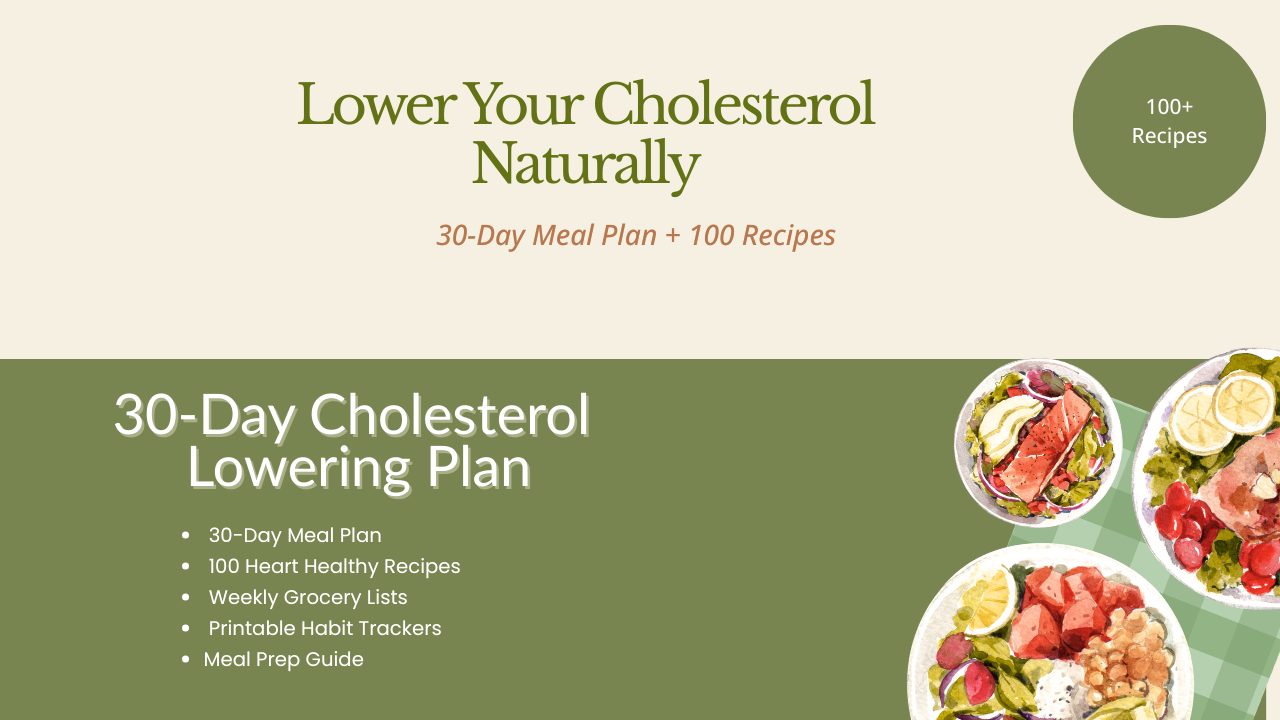

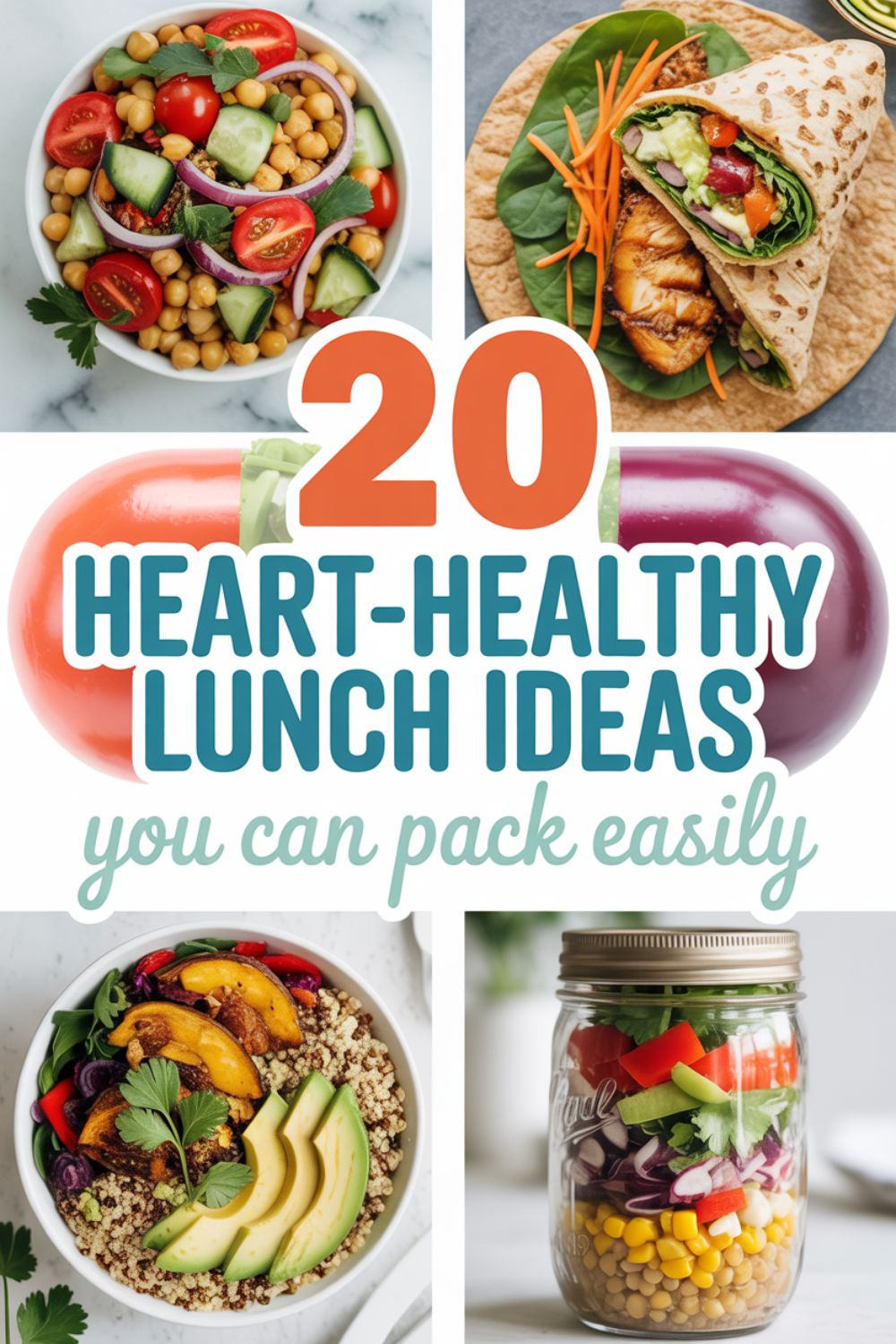
20 Heart Healthy Lunch Ideas You Can Pack Easily
Let’s be honest—packing lunch feels like one more thing on an already ridiculous to-do list. But here’s the thing: grabbing takeout every day isn’t just hard on your wallet, it’s wreaking havoc on your heart. Cholesterol creeps up, sodium levels spike, and before you know it, you’re feeling sluggish and bloated by 2 PM.
I’ve been there. Standing in front of the fridge at 6:30 AM, half-awake, trying to throw together something that won’t turn into a sad, soggy disaster by noon. The good news? Heart-healthy lunches don’t have to be complicated or boring. In fact, some of my best meals have been the simplest ones—just real food, smart combos, and a little prep work on Sunday.
These 20 lunch ideas are all about making your life easier while keeping your heart happy. No weird ingredients, no hours in the kitchen, and definitely no cardboard-flavored “health food.” Just solid, delicious meals you can actually pack and enjoy.
Why Heart-Healthy Lunches Actually Matter
Your heart does a lot of heavy lifting—literally. It beats about 100,000 times a day, pumping blood to every corner of your body. The fuel you give it matters, especially at lunch when you’re halfway through your day and need sustained energy.
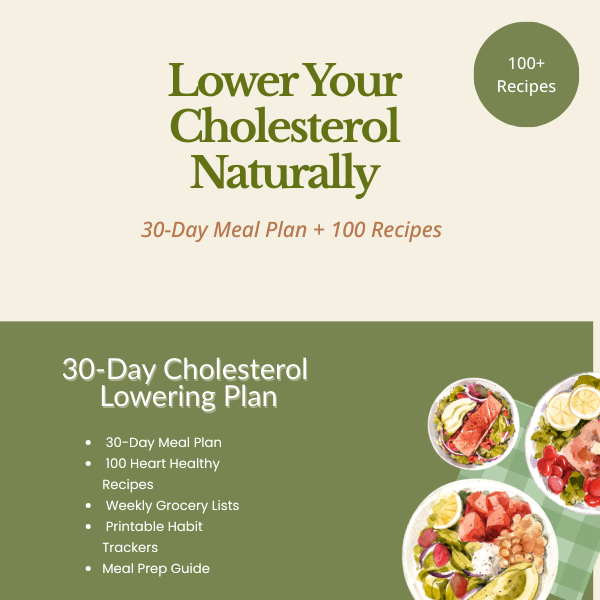
30-Day Cholesterol Reset System
A simple done-for-you plan to help you eat heart-healthy every day without confusion.
Over 1,000 people downloaded this guide
✔ 100 Easy Recipes
✔ Grocery Lists + Meal Prep Guide
🎁 FREE BONUSES:
✔ 7-Day Quick Start Plan
✔ Printable Grocery List
$29 $9
Get Instant AccessMost restaurant lunches pack more sodium than you should eat in an entire day. According to the American Heart Association, we should aim for no more than 2,300 mg of sodium daily, and ideally closer to 1,500 mg. One takeout meal can blow past that in a single sitting.
When you pack your own lunch, you control everything—the quality of fats, the amount of salt, the type of carbs. Plus, you’re more likely to include fiber-rich foods that help lower LDL cholesterol (the bad kind) and keep you full longer.
1. Mediterranean Quinoa Bowl
Quinoa is one of those ingredients that makes meal prep stupidly easy. Cook a big batch, and you’ve got a base for multiple lunches. For this bowl, I mix cooked quinoa with cherry tomatoes, cucumbers, red onion, Kalamata olives, and crumbled feta (use sparingly—a little goes a long way).
Dress it with olive oil, lemon juice, and a pinch of oregano. The key is using quality olive oil—it’s rich in monounsaturated fats that actually help raise your good cholesterol (HDL). I keep this glass bottle of extra virgin olive oil next to my stove because it makes everything taste better and the pour spout prevents over-serving.
This bowl travels well and tastes even better after the flavors meld overnight. If you’re looking for more Mediterranean-inspired options, check out these low-cholesterol vegetarian meals that bring those same bright, fresh flavors.
2. Turkey and Avocado Wrap
Wraps get a bad rap because most people load them with mayo and processed meats. But a smart wrap can be incredibly heart-healthy. Use a whole wheat tortilla (more fiber than white), pile on lean turkey breast, half an avocado (healthy fats FTW), spinach, and a smear of hummus instead of mayo.
Avocados deserve their own paragraph. They’re loaded with oleic acid, which research suggests can help reduce inflammation and lower cholesterol. Plus, they make everything creamy without dairy.
I slice mine the night before and squeeze lemon juice over them to prevent browning. Keep them in an airtight container and they’ll stay green and gorgeous until lunch.
3. Lentil and Veggie Soup
Soup isn’t just for winter. A good thermos keeps it hot for hours, and lentil soup is basically a heart-health powerhouse. Lentils are packed with soluble fiber—the kind that binds to cholesterol in your digestive system and helps remove it from your body.
I make a big pot with carrots, celery, onions, garlic, diced tomatoes, and vegetable broth. Season with cumin, paprika, and a bay leaf. Skip the salt shaker and use herbs and spices instead—your taste buds adapt faster than you think.
Pour it into a wide-mouth thermos like this one and you’ve got a cozy, filling lunch that’ll keep you satisfied all afternoon. Want more soup inspiration? These low-cholesterol soups and stews are perfect for any season.
4. Chickpea Salad Sandwich
If you miss tuna or chicken salad, this is your new best friend. Mash chickpeas with a fork (leave some chunks for texture), mix with diced celery, red onion, Dijon mustard, a tiny bit of Greek yogurt, and fresh dill.
Chickpeas are legume rockstars—high in protein, loaded with fiber, and they’ve been shown to help reduce LDL cholesterol when eaten regularly. Spread this on whole grain bread with lettuce and tomato, and you’ve got a sandwich that actually keeps you full.
The texture is surprisingly similar to traditional chicken salad, but without the saturated fat. I use this potato masher for the perfect chunky consistency—way easier than a fork and less cleanup than a food processor.
5. Grilled Chicken and Veggie Skewers
Meal prep doesn’t have to mean boring containers of brown rice. These skewers are fun, portable, and you can eat them cold or at room temperature. Thread chicken breast chunks with bell peppers, zucchini, red onion, and cherry tomatoes onto wooden skewers.
Marinate in olive oil, lemon juice, garlic, and rosemary, then grill or bake. Chicken breast is one of the leanest proteins you can eat—just make sure you’re not drowning it in heavy sauces. For more ways to cook chicken that won’t spike your cholesterol, try these low-cholesterol chicken recipes.
Pack with a small container of hummus for dipping, and you’ve got a lunch that feels more like a picnic than meal prep.
6. Spinach and Strawberry Salad
Salads don’t have to be depressing. This one combines baby spinach, sliced strawberries, toasted almonds, red onion, and a balsamic vinaigrette. The sweetness of the strawberries balances the peppery spinach, and the almonds add satisfying crunch.
Almonds are another heart-healthy superstar—they’re rich in vitamin E and magnesium, both important for cardiovascular health. I toast mine in a dry pan for about five minutes until they smell nutty and amazing. You could also use a mini toaster oven like this one—less babysitting, no burning.
Pack your dressing separately to keep everything crisp. Those little dressing containers with screw-top lids are a game-changer for salad people.
Looking for more salad ideas that don’t feel like punishment? These low-cholesterol salads are actually exciting to eat.
7. Sweet Potato and Black Bean Bowl
Sweet potatoes are criminally underused at lunch. Roast them in cubes with a drizzle of olive oil and smoked paprika, then combine with black beans, corn, diced avocado, and a squeeze of lime.
This combo gives you complex carbs, plant protein, and healthy fats all in one bowl. Black beans are particularly good at lowering cholesterol thanks to their high soluble fiber content. According to Harvard Health, eating just one serving of beans daily can reduce LDL cholesterol by up to 5%.
I use a silicone baking mat when roasting sweet potatoes—zero sticking, zero scrubbing. Seriously, it’s changed my life.
8. Tuna Salad Lettuce Cups
Ditch the bread and wrap your tuna salad in crisp romaine or butter lettuce leaves. Mix canned tuna (look for albacore packed in water) with diced celery, red grapes (trust me on this), a tiny bit of Greek yogurt, and fresh dill.
The grapes add a pop of sweetness that makes this feel less “diet-y” and more delicious. Plus, tuna is loaded with omega-3 fatty acids, which are essential for heart health. Just watch the mercury—stick to two servings a week max.
Pack the lettuce and tuna separately, then assemble at lunch. It stays crisp and fresh that way, and eating with your hands makes it way more fun than it should be.
Meal Prep Essentials Used in These Recipes
After making hundreds of packed lunches, these are the tools and resources I actually use every week:
Physical Products:
- Glass meal prep containers with snap lids – Microwave-safe, dishwasher-safe, and they don’t stain like plastic. I have eight and use them all.
- Wide-mouth thermos for soups – Keeps food hot for six hours and the opening is big enough to actually eat from with a spoon.
- Produce saver containers – These have changed how long my prepped veggies last. The vented design keeps lettuce crisp for over a week.
Digital Resources:
- Free meal planning template – I created a simple Google Sheets template that helps me plan five lunches at once and auto-generates a grocery list.
- Heart-healthy ingredient swap guide – A PDF cheat sheet showing healthier alternatives for common ingredients (like Greek yogurt instead of mayo, etc.).
- Batch cooking time tracker – Helps you figure out which recipes to prep together based on oven temps and cooking times to maximize efficiency.
9. Veggie-Packed Frittata Muffins
These are basically portable omelets that you can eat cold. Whisk eggs with a splash of milk, pour into a muffin tin, and add your favorite veggies—spinach, mushrooms, tomatoes, bell peppers, whatever you’ve got.
Bake at 350°F for about 20 minutes. Eggs are an excellent source of protein and don’t impact cholesterol levels the way we once thought. Research has moved past the old “limit eggs to prevent heart disease” advice.
I make a dozen on Sunday and grab two for lunch throughout the week. They reheat in 30 seconds or taste great cold. Use a silicone muffin pan for the easiest release—they pop right out.
10. Asian-Inspired Edamame Bowl
Edamame (those green soybeans) are seriously underrated. They’re complete proteins, meaning they contain all nine essential amino acids. Toss shelled edamame with shredded cabbage, carrots, red bell pepper, and a sesame-ginger dressing.
For the dressing, whisk together rice vinegar, a tiny bit of sesame oil, fresh grated ginger, and a touch of honey. Sesame oil is powerful—a little goes a long way, so use it sparingly but don’t skip it. The flavor is worth it.
Top with sesame seeds and sliced green onions. This bowl is crunchy, fresh, and stays crisp in the fridge for days. The textures and flavors are way more interesting than a basic salad.
11. Hummus and Veggie Plate
Sometimes the best lunch is the simplest one. Pack a generous scoop of hummus (homemade or store-bought—I won’t judge) with sliced cucumbers, bell peppers, cherry tomatoes, snap peas, and whole grain crackers or pita.
Hummus is made from chickpeas and tahini, both of which are heart-healthy ingredients rich in unsaturated fats and fiber. It’s filling, satisfying, and you can customize the veggies based on what’s in season or on sale.
I portion mine into small round containers and arrange the veggies around it. It looks pretty, travels well, and there’s something deeply satisfying about dipping your lunch. Need more quick lunch ideas? Check out these quick low-cholesterol lunches under 10 minutes.
12. Turkey Meatballs with Marinara
Ground turkey is leaner than beef but can dry out if you’re not careful. Mix it with breadcrumbs, egg, garlic, Italian herbs, and a grated zucchini (adds moisture and you won’t taste it). Roll into balls and bake.
Serve over whole wheat pasta or zucchini noodles with marinara sauce. Choose marinara without added sugar—many jarred sauces are loaded with it. Or make your own with canned tomatoes, garlic, and basil. It’s easier than you think.
These meatballs freeze beautifully. Make a double batch and you’ve got emergency lunches for weeks. Reheat with sauce and they taste like you just made them.
For more family-friendly heart-healthy options everyone will actually eat, try these low-cholesterol family dinners that work great as leftovers for lunch.
13. Caprese Salad with Whole Grain Bread
Fresh mozzarella, tomatoes, and basil with a drizzle of balsamic glaze and olive oil. This is less of a recipe and more of an assembly job, which is exactly what you want on a busy morning.
Use fresh mozzarella (the kind that comes in water) and slice it thin. Layer with thick tomato slices and whole basil leaves. Fresh mozzarella has less fat than aged cheeses, and when you pair it with fiber-rich whole grain bread, you’ve got a balanced lunch that feels indulgent.
Pack the bread separately so it doesn’t get soggy. Assemble at lunch and it’s basically a deconstructed margherita pizza that won’t wreck your arteries.
14. Salmon Salad Over Greens
Canned salmon is one of the most underrated pantry staples. It’s cheaper than fresh, lasts forever, and packs the same omega-3 punch. Flake it into a bowl with diced celery, red onion, capers, lemon juice, and a touch of Dijon mustard.
Serve over mixed greens with cherry tomatoes and cucumber. Salmon is one of the best foods you can eat for heart health—the omega-3s EPA and DHA help reduce triglycerides and lower blood pressure.
I always keep a few cans in the pantry for those weeks when I forgot to meal prep. It comes together in five minutes and tastes way fancier than the effort involved.
15. Buddha Bowl with Tahini Dressing
Buddha bowls are just fancy grain bowls, but the name makes them more fun. Start with brown rice or farro, add roasted chickpeas, steamed broccoli, shredded carrots, sliced avocado, and a drizzle of tahini dressing.
For the dressing, whisk tahini with lemon juice, garlic, and enough water to thin it out to drizzle consistency. Tahini is ground sesame seeds and it’s loaded with calcium and healthy fats. It makes everything taste rich and creamy without any dairy.
These bowls are endlessly customizable. Use whatever veggies you have, switch up the grain, change the protein. The formula works every time. For more bowl inspiration, these low-cholesterol meal prep ideas include tons of variations. Get Full Recipe.
16. Greek Yogurt Chicken Salad
Swap mayo for Greek yogurt and suddenly chicken salad becomes a heart-healthy lunch option. Dice cooked chicken breast, mix with Greek yogurt, grapes, celery, toasted pecans, and a pinch of curry powder (this is the secret ingredient).
The curry powder adds warmth and complexity without being spicy. Greek yogurt gives you protein and probiotics while cutting the saturated fat you’d get from mayo. It’s a win-win.
Serve on whole grain bread, in lettuce cups, or over greens. I meal prep a big batch and it lasts for three to four days in the fridge. The flavors actually get better as they sit.
17. Veggie and Hummus Wrap
Another wrap, because they’re stupid easy to pack. Spread hummus on a whole wheat tortilla, layer with shredded carrots, cucumbers, bell peppers, sprouts, and spinach. Roll it tight and slice in half.
The hummus acts as both spread and protein source. Raw veggies give you maximum nutrients and fiber—cooking can reduce some vitamins, especially vitamin C and B vitamins.
Wrap it in parchment paper or foil and it holds together perfectly in your bag. No fork needed, no mess, just crunch and flavor. If you want more veggie-forward options, check out these low-cholesterol vegetarian meals.
18. Stuffed Bell Peppers
Cut bell peppers in half lengthwise, remove seeds, and stuff with a mixture of cooked brown rice, black beans, corn, diced tomatoes, and spices. Bake until the peppers are tender.
These pack beautifully and reheat well. Bell peppers are loaded with vitamin C and antioxidants that support heart health. Plus, they’re naturally portion-controlled—one pepper half is the perfect serving size.
I make six at a time in a 9×13 glass baking dish and eat them throughout the week. They’re filling, colorful, and feel special even though they’re just leftovers.
19. White Bean and Kale Soup
Another soup because they’re too good to limit to one entry. Sauté garlic and onion, add chopped kale, canned white beans (cannellini or great northern), vegetable broth, and Italian herbs.
Simmer until the kale is tender. Kale is one of the most nutrient-dense foods on the planet—packed with vitamins A, C, and K, plus it’s got heart-protective antioxidants.
This soup is so simple but incredibly satisfying. Pack it in a thermos with a slice of crusty whole grain bread and you’ve got a lunch that’ll make your coworkers jealous. Want more soup options? These heart-healthy soups are specifically designed to help lower cholesterol naturally.
20. Apple and Almond Butter Sandwich
Hear me out—this sounds weird but it’s incredibly good. Spread almond butter on whole grain bread, layer with thinly sliced apples, a sprinkle of cinnamon, and a drizzle of honey. Top with the other slice of bread.
Almond butter provides healthy fats and protein, apples add fiber and sweetness, and cinnamon has been shown to help regulate blood sugar. It’s like a PB&J that grew up and got a degree in nutrition.
The key is slicing the apples thin and squeezing lemon juice over them to prevent browning. Pack it in a reusable sandwich bag and it stays fresh until lunch. It’s sweet, savory, crunchy, and totally satisfying.
If you’re trying to keep calories in check while still packing satisfying lunches, these heart-healthy meals under 400 calories prove you don’t have to sacrifice flavor for nutrition.
Frequently Asked Questions
Can I freeze these heart-healthy lunches for later?
Absolutely. Soups, meatballs, frittata muffins, and stuffed peppers all freeze beautifully. Just avoid freezing salads or anything with fresh lettuce. Portion them into individual containers before freezing so you can grab one at a time. Most will keep for up to three months in the freezer.
How long do these lunches stay fresh in the fridge?
Most of these lunches will last three to four days in the fridge when stored properly in airtight containers. Salads with dressing should be eaten within two days, but if you pack the dressing separately, they’ll last longer. Cooked grains and proteins can safely last four to five days.
Do I need special containers for meal prepping?
Not necessarily, but good containers make your life easier. Glass containers don’t stain or hold odors, and they’re microwave-safe. Mason jars work great for salads and overnight oats. IMO, investing in quality containers once is better than constantly replacing cheap plastic ones that warp and crack.
Can these lunches help lower my cholesterol?
When combined with an overall heart-healthy diet, yes. These lunches focus on fiber-rich whole grains, lean proteins, healthy fats from sources like olive oil and avocados, and plenty of vegetables. Studies show that eating more plant-based meals and choosing lean proteins can help reduce LDL cholesterol over time.
What if I don’t have time to meal prep on Sundays?
Then don’t. Meal prep can happen any day that works for you, or you can prep just one or two components at a time. Cook a big batch of grains one night, chop veggies another night, and assemble everything the morning of. The “perfect” meal prep routine is the one you’ll actually stick to, not the one that looks pretty on Instagram.
Final Thoughts
Packing heart-healthy lunches doesn’t require a culinary degree or hours of free time. It requires planning, a few good containers, and a willingness to batch cook on your days off. The payoff is huge—you’ll save money, feel better, and actually know what’s going into your body.
Start with two or three recipes from this list that sound good to you. Make them this week. See how they fit into your routine. Maybe the wraps work better than the bowls, or maybe you’re a soup person through and through. That’s fine. The goal isn’t perfection—it’s progress.
Your heart will thank you. Your wallet will thank you. And honestly, your afternoon energy levels will thank you too. No more 3 PM crashes or food comas. Just steady energy from real food that actually nourishes you.
Now go raid your fridge and start packing some lunches. You’ve got this.
30-Day Cholesterol-Lowering Meal Plan
A simple step-by-step system to help you eat heart-healthy every day without stress.
Over 1,000 people downloaded this guide
$29$9
Get Instant Access


