
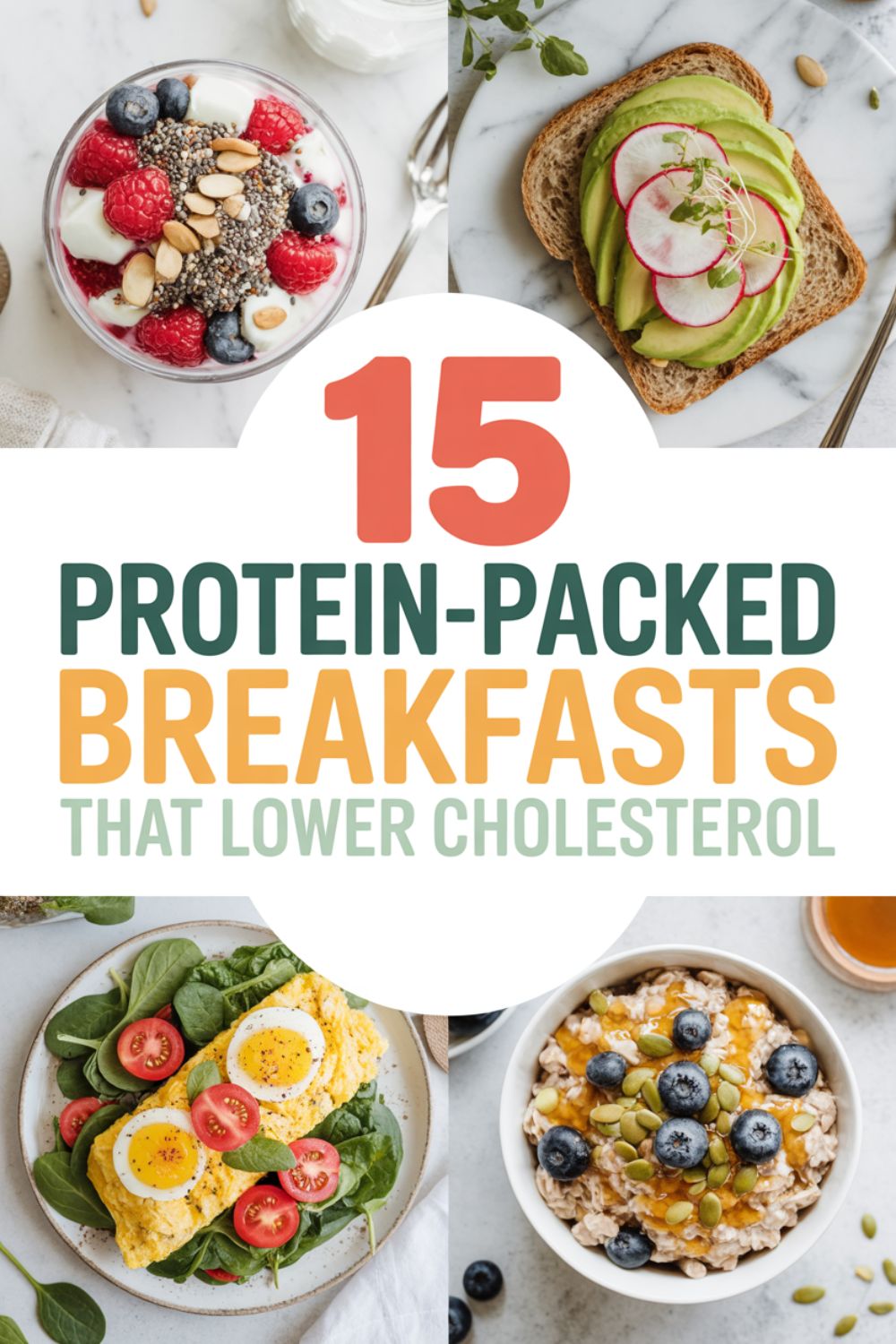
15 Protein-Packed Breakfasts That Lower Cholesterol
Look, I get it. When your doctor casually drops the “we need to talk about your cholesterol” line, breakfast suddenly becomes this minefield of guilt and confusion. Do eggs belong on the forbidden list? Is that bacon taunting you from the fridge? And honestly, how many bland oatmeal bowls can one person endure before losing the will to live?
Here’s the thing though—lowering your cholesterol doesn’t mean sentencing yourself to a lifetime of cardboard-flavored breakfasts. In fact, protein-packed morning meals can actually help improve your cholesterol levels while keeping you satisfied until lunch. No mid-morning vending machine raids required.
After years of experimenting in my own kitchen (and yes, some spectacular failures along the way), I’ve rounded up 15 breakfasts that check all the boxes. They’re loaded with protein, genuinely tasty, and backed by actual science on heart health. Whether you’re team savory or firmly planted in sweet breakfast territory, there’s something here that’ll make your taste buds and your cardiovascular system equally happy.
Why Protein and Cholesterol Are Actually Best Friends
Before we dive into the recipes, let’s talk science for a second—but the fun kind, I promise. Research from Mayo Clinic shows that certain proteins can actually help lower LDL cholesterol (that’s the bad kind) while potentially boosting HDL (the good stuff that acts like a cleanup crew in your bloodstream).
30-Day Cholesterol Reset System
A simple done-for-you plan to help you eat heart-healthy every day without confusion.
Over 1,000 people downloaded this guide
✔ 100 Easy Recipes
✔ Grocery Lists + Meal Prep Guide
🎁 FREE BONUSES:
✔ 7-Day Quick Start Plan
✔ Printable Grocery List
$29 $9
Get Instant AccessWhey protein, for instance, has been shown in multiple studies to reduce both LDL and total cholesterol levels. Plant-based proteins from legumes, nuts, and seeds come packed with fiber that literally binds to cholesterol in your digestive system and escorts it out of your body. Pretty cool, right?
The magic happens when you combine high-quality protein sources with soluble fiber—a combination that keeps you full, stabilizes blood sugar, and gives cholesterol the boot. According to Harvard Health, getting 5 to 10 grams of soluble fiber daily can decrease your LDL cholesterol significantly.
The 15 Cholesterol-Crushing Protein Breakfasts
1. Greek Yogurt Power Bowl
Let’s start with the overachiever of the breakfast world. Greek yogurt delivers about 15-20 grams of protein per serving, and studies suggest it can help improve cholesterol profiles when you choose the low-fat, unsweetened variety. I’m talking about the real deal here, not the sugar-loaded fruit-on-the-bottom imposters.
Mix in a handful of walnuts (hello, omega-3s), fresh berries for antioxidants, and a drizzle of honey if you need the sweetness. The walnuts alone have been shown to help protect heart health and lower cardiovascular risk. I use this stainless steel mixing bowl set for easy meal prep—portion everything out in advance and grab-and-go becomes actually doable.
For more protein-packed ideas that keep things interesting, check out these high-protein meals for weight loss that don’t feel restrictive.
2. Egg White Veggie Scramble
Egg whites get a bad rap for being boring, but that’s only if you’re doing them wrong. They’re virtually cholesterol-free and pack about 3.6 grams of protein per white. The trick? Season them like you mean it and load them up with vegetables.
Sauté spinach, mushrooms, bell peppers, and tomatoes in a bit of olive oil (because yes, fat can actually help lower cholesterol when it’s the right kind). I swear by this ceramic non-stick skillet—eggs slide right off without needing a gallon of butter, and cleanup takes about 30 seconds.
If you want the full egg experience without all the cholesterol, do half regular eggs and half egg whites. You get the flavor and nutrients from the yolk in moderation. Get Full Recipe.
3. Overnight Oats with Chia Seeds
Overnight oats are basically the MVP of lazy-but-healthy breakfast options. Oats contain beta-glucan, a type of soluble fiber specifically proven to lower LDL cholesterol. Mix them with chia seeds, and you’ve got a fiber-and-protein powerhouse that requires zero morning effort.
Here’s my go-to ratio: half a cup of oats, one tablespoon of chia seeds, a cup of unsweetened almond milk, and whatever toppings make you happy. Let it sit overnight in these glass meal prep containers that somehow make everything taste better (or maybe that’s just me being weird about kitchen organization).
The chia seeds add about 5 grams of protein and a ridiculous amount of omega-3s. Plus, they create this pudding-like texture that’s infinitely more interesting than plain oatmeal. Top with sliced almonds and fresh berries in the morning, and you’re golden.
4. Smoked Salmon Avocado Toast
Yes, avocado toast. I know, I know—it’s become peak millennial cliché at this point. But hear me out: avocados are loaded with monounsaturated fats that can help improve cholesterol levels, and smoked salmon brings about 20 grams of protein plus those heart-healthy omega-3 fatty acids.
Use whole grain bread (the kind where you can actually see seeds and grains, not the imposter wheat bread that’s basically white bread in disguise). I slice my avocado paper-thin with this avocado slicer tool because apparently I can’t be trusted with a knife before coffee.
Layer on the smoked salmon, maybe some capers if you’re feeling fancy, a squeeze of lemon, and a crack of black pepper. This breakfast will keep you satisfied way past lunch. For more heart-healthy meal ideas, these meals under 400 calories are clutch for managing both weight and cholesterol.
5. Tofu Scramble with Turmeric
If you’re skeptical about tofu, I was too until I figured out the secret: it’s all about the seasoning and getting it slightly crispy. Tofu scramble delivers about 10 grams of plant-based protein per serving, and studies suggest soy protein can modestly reduce LDL cholesterol.
Crumble firm tofu into a hot pan with a tiny bit of olive oil, add turmeric (for color and anti-inflammatory benefits), garlic powder, nutritional yeast for a cheesy flavor, and whatever vegetables you’re feeling. I cook mine in this cast iron skillet that gets it perfectly crispy on the edges.
The nutritional yeast adds a subtle umami flavor and extra B vitamins. Don’t sleep on this one just because you think tofu is “health food”—it legitimately tastes good when you treat it right.
6. Cottage Cheese and Berry Bowl
Cottage cheese has made a comeback, and honestly, it deserves it. One cup contains about 25 grams of protein—that’s more than most protein shakes. The low-fat version keeps saturated fat in check while delivering calcium and other nutrients.
Mix it with fresh or frozen berries (frozen are just as nutritious and way cheaper, FYI), a sprinkle of ground flaxseed for extra omega-3s, and maybe some sliced almonds for crunch. The combination of protein and fiber keeps blood sugar stable, which indirectly helps with cholesterol management.
I portion mine out in these portion control containers because measuring things out before I’m fully awake is asking for trouble. This breakfast takes literally two minutes to throw together.
7. Quinoa Breakfast Bowl
Okay, so quinoa for breakfast might sound weird at first. But think of it as a more nutritious version of oatmeal that brings 8 grams of complete protein per cooked cup. Complete protein means it has all nine essential amino acids your body needs.
Cook quinoa in almond milk or regular milk, add a pinch of cinnamon, and top with walnuts, berries, and a drizzle of maple syrup. The texture is similar to oatmeal but somehow more satisfying. Plus, quinoa is naturally gluten-free if that matters to you.
I make a big batch at the start of the week using this electric pressure cooker that cooks quinoa perfectly in about 12 minutes with zero supervision. Portion it out, add toppings in the morning, and you’re set.
Speaking of easy morning meals, these quick lunches under 10 minutes follow the same make-ahead principle.
8. Almond Butter Banana Protein Smoothie
Smoothies get a bad rap for being sugar bombs, but done right, they’re legitimate meals in a glass. Blend almond butter (7 grams of protein per serving), banana, spinach, unsweetened almond milk, and a scoop of whey protein powder for a breakfast that rivals any egg-based meal.
The spinach adds iron and doesn’t taste weird in smoothies, promise. The banana provides potassium and natural sweetness without added sugar. I use this high-speed blender that actually pulverizes everything smoothly instead of leaving weird chunks.
Add a tablespoon of ground flaxseed or chia seeds for extra fiber and omega-3s. This breakfast is perfect for people who can’t stomach solid food first thing in the morning. If you’re into more smoothie ideas, these heart-healthy smoothies and juices are pretty stellar too.
9. Turkey Sausage and Sweet Potato Hash
Breakfast sausage doesn’t have to be the enemy. Turkey sausage provides about 14 grams of protein per serving with significantly less saturated fat than the pork variety. Pair it with diced sweet potatoes and you’ve got a savory, filling breakfast.
Dice sweet potatoes small so they cook faster, sauté with a bit of olive oil until crispy, add turkey sausage (I buy the pre-cooked kind because efficiency), throw in some bell peppers and onions. Season with paprika and garlic powder. The whole thing comes together in about 15 minutes.
Sweet potatoes add fiber and vitamin A, plus they’re way more interesting than regular potatoes. I use this vegetable chopper for the sweet potatoes because hand-dicing them every morning would drive me insane.
10. Baked Oatmeal Cups with Protein Powder
These are game-changers for meal prep. Mix oats, mashed banana, egg whites, protein powder, cinnamon, and almond milk, then bake in a muffin tin. You get portable, pre-portioned breakfasts that taste like oatmeal cookies but are actually good for you.
Each cup has about 8-10 grams of protein depending on how much protein powder you add. I use this silicone muffin pan because the cups pop out effortlessly without any weird sticking or breaking situations.
Bake a dozen on Sunday, store them in the fridge, and grab two on your way out the door. You can eat them cold or microwave for 30 seconds. Add different mix-ins each week—blueberries, chocolate chips, walnuts, whatever keeps it interesting. Get Full Recipe.
Meal Prep Essentials That Make These Recipes Actually Happen
Listen, having the right tools makes the difference between “I’ll meal prep this weekend” and actually doing it. Here’s what lives in my kitchen and actually gets used:
Glass Meal Prep Containers (5-Pack)
Microwave-safe, dishwasher-friendly, and they don’t turn weird colors after holding turmeric. The locking lids actually seal.
Digital Kitchen Scale
For anyone serious about portion control. Measures in grams and ounces, has a tare function. Mine’s lived through three years of daily use.
Immersion Blender
Makes smoothies directly in your cup without dealing with a giant blender. Also perfect for blending soups and sauces.
Low-Cholesterol Meal Prep Guide (Digital)
Complete grocery lists, prep schedules, and recipes organized by protein type. Takes the guesswork out of planning.
Heart-Healthy Recipe Collection (Ebook)
Over 100 breakfast, lunch, and dinner recipes with full nutrition info. Includes substitution guides and cooking tips.
Cholesterol Tracker App Subscription
Logs meals, tracks cholesterol trends, and sends reminders. Integrates with most health apps and fitness trackers.
11. Black Bean Breakfast Burrito
Whoever decided beans were only for lunch and dinner was wrong. Black beans bring about 15 grams of protein and 15 grams of fiber per cup, making them cholesterol-lowering superstars. Wrap them in a whole wheat tortilla with scrambled egg whites, salsa, and a bit of avocado.
I make a big batch of seasoned black beans at the beginning of the week—just sauté onions and garlic, add canned beans (drained and rinsed), cumin, chili powder, and a squeeze of lime. Keep them in the fridge and assemble burritos as needed.
These freeze beautifully too. Wrap them individually in foil, freeze, then microwave for 2-3 minutes straight from frozen. Way better than any drive-through breakfast burrito, and your arteries will thank you. For more easy breakfast options that you can prep ahead, these low-cholesterol breakfast ideas are total lifesavers.
12. Protein Pancakes with Almond Butter
Yes, you can have pancakes on a cholesterol-conscious diet. Mix oat flour, egg whites, mashed banana, and a scoop of vanilla protein powder for pancakes that actually taste good and deliver about 20 grams of protein per serving.
The trick is not overmixing the batter and keeping the heat at medium. I cook mine in this non-stick griddle that fits four pancakes at once—makes weekend breakfast prep way faster when you’re feeding more than yourself.
Top with a tablespoon of almond butter (melted slightly in the microwave for that drizzle effect) and fresh berries instead of syrup. The natural sweetness from the banana and berries is usually enough. These pancakes are fluffy, satisfying, and won’t send your blood sugar—or your cholesterol—on a roller coaster.
13. Edamame and Veggie Omelet
Edamame (young soybeans) are sneakily high in protein—about 17 grams per cup. Adding them to an egg white omelet creates this interesting texture and boosts the protein significantly. Plus, soy protein has been shown to help with cholesterol management.
Buy the shelled frozen edamame, thaw it overnight in the fridge, then toss it into your omelet with mushrooms, tomatoes, and spinach. Season with soy sauce or tamari for an umami hit. The combination sounds weird but works surprisingly well.
I keep frozen edamame on hand constantly—it’s one of those ingredients that makes everything feel more filling without adding many calories or much saturated fat.
14. Chia Seed Pudding with Protein Powder
Chia pudding is one of those things that looks unappetizing but tastes way better than it should. Mix three tablespoons of chia seeds with one cup of almond milk and a scoop of vanilla protein powder. Let it sit in the fridge overnight, and the chia seeds absorb the liquid and create this pudding-like consistency.
In the morning, top with fresh fruit, a sprinkle of cinnamon, and maybe some coconut flakes if you’re feeling it. Each serving delivers about 20-25 grams of protein and a massive amount of omega-3 fatty acids.
The beauty of chia pudding is you can make several servings at once in these small mason jars—they’re the perfect portion size and you can grab one from the fridge each morning. Get Full Recipe.
15. Lentil and Spinach Breakfast Skillet
Okay, this one’s definitely outside the breakfast box, but stay with me. Lentils pack 18 grams of protein and 16 grams of fiber per cooked cup, plus they’ve been specifically studied for their cholesterol-lowering effects. Cook them with spinach, tomatoes, and spices for a savory breakfast that’ll keep you full for hours.
I use canned lentils for convenience (no shame in that game), drain and rinse them, then sauté with garlic, spinach, diced tomatoes, cumin, and paprika. Top with a fried egg if you want (use the whole egg here—one yolk is fine in moderation), or keep it plant-based.
This breakfast feels substantial and warm—perfect for cold mornings when oatmeal just won’t cut it. The spices make it taste way more interesting than it sounds on paper.
If you’re looking for more savory breakfast inspiration, these vegetarian meals prove plant-based eating doesn’t have to be boring.
The Science Behind Cholesterol and Breakfast Timing
Here’s something interesting: research suggests that people who regularly skip breakfast tend to have higher LDL cholesterol levels. There’s something about eating a balanced morning meal that kickstarts your metabolism and helps regulate blood sugar throughout the day.
When you skip breakfast, you’re more likely to overeat later, make poor food choices, and send your blood sugar on a wild ride. Stable blood sugar matters for cholesterol management because insulin (the hormone that regulates blood sugar) also affects how much cholesterol your body produces.
The key is combining protein with fiber and healthy fats. This trio slows digestion, keeps you satisfied, and prevents the blood sugar spikes that can indirectly mess with your cholesterol levels. It’s not complicated—just intentional.
Building Your Own Cholesterol-Friendly Breakfast Formula
Once you understand the pattern, you can mix and match ingredients to create endless variations. The formula is simple: Pick a protein source + add fiber + include healthy fats + minimize added sugars and saturated fats.
Protein sources: Greek yogurt, cottage cheese, egg whites, tofu, legumes, lean turkey, salmon, protein powder, quinoa, edamame.
Fiber sources: Oats, whole grain bread, berries, apples, pears, chia seeds, flaxseed, spinach, sweet potatoes, black beans.
Healthy fats: Avocado, nuts (especially walnuts and almonds), nut butters, olive oil, chia seeds, ground flaxseed, fatty fish.
The combinations are basically endless. Don’t like one ingredient? Swap it for another from the same category. This flexibility prevents breakfast from becoming monotonous, which is usually what derails people from eating well consistently.
For a complete approach to managing cholesterol through diet, these foods that naturally lower cholesterol are worth familiarizing yourself with.
Meal Prep Strategies That Actually Work
The biggest barrier to healthy eating isn’t knowledge—it’s time and convenience. Meal prep doesn’t have to mean spending your entire Sunday in the kitchen. Focus on components that can be assembled quickly in the morning.
Batch cook proteins: Make a week’s worth of quinoa, hard-boil a dozen eggs (use the whites), cook turkey sausage, prepare black beans. Store everything separately and mix-and-match daily.
Pre-portion dry ingredients: If you’re doing overnight oats or chia pudding, measure out the dry ingredients into containers ahead of time. In the evening, just add liquid and refrigerate.
Prep vegetables once: Wash berries, chop peppers and onions, portion spinach. Having vegetables ready to grab makes it way more likely you’ll actually use them.
Make freezer-friendly batches: Things like protein pancakes, baked oatmeal cups, and breakfast burritos freeze perfectly. Make double batches and stock your freezer for those mornings when life gets chaotic.
The goal isn’t perfection—it’s making healthy choices as convenient as unhealthy ones. When grabbing Greek yogurt from the fridge is as easy as grabbing a donut, you’ll make better choices more often. These meal prep ideas for the week follow the same practical philosophy.
Common Questions About Protein and Cholesterol
Can I eat whole eggs if I’m watching my cholesterol?
The research on dietary cholesterol and blood cholesterol is actually more nuanced than we used to think. For most people, eating one whole egg daily as part of a balanced diet is fine. The cholesterol in egg yolks doesn’t affect blood cholesterol as dramatically as saturated and trans fats do. That said, if your doctor has specifically told you to limit dietary cholesterol, opt for egg whites or use a mix of whole eggs and egg whites.
How much protein should I aim for at breakfast?
Most experts recommend 20-30 grams of protein at breakfast for optimal satiety and blood sugar management. This amount helps you feel full longer and can reduce overall calorie intake throughout the day. Combine that protein with fiber-rich foods for the best cholesterol-lowering effects.
Are plant-based proteins as effective as animal proteins for lowering cholesterol?
Actually, plant-based proteins often have an edge when it comes to cholesterol management because they come packaged with fiber and lack the saturated fat found in many animal proteins. Soy protein, legumes, nuts, and seeds have all been specifically studied for their cholesterol-lowering properties. Mix both plant and animal proteins for variety and comprehensive nutrition.
Will eating more protein for breakfast help me lose weight?
Protein increases satiety and can help reduce overall calorie intake throughout the day, which supports weight management. Since excess weight is a risk factor for high cholesterol, losing weight through a protein-rich diet can indirectly improve your cholesterol levels. Just make sure you’re choosing lean proteins and watching your overall calorie intake.
How long does it take to see cholesterol improvements from diet changes?
Most people see noticeable improvements in cholesterol levels within 4-6 weeks of consistently eating a heart-healthy diet. However, significant changes might take 3-6 months. The key word here is “consistently”—occasional healthy breakfasts won’t move the needle. Your body needs time to adjust, so stick with it and get regular cholesterol checks to track your progress.
The Bottom Line on Protein and Cholesterol
Managing cholesterol doesn’t require suffering through tasteless meals or giving up everything you enjoy. Strategic protein choices at breakfast can actually support your cardiovascular health while keeping you satisfied and energized.
The key is consistency over perfection. You don’t need to eat perfectly every single morning. But if you can make protein-packed, fiber-rich breakfasts your default choice most days of the week, you’ll see the benefits in your energy levels, satiety, and eventually, your cholesterol numbers.
Start with one or two recipes from this list that appeal to you. Master those, then gradually expand your rotation. Before you know it, healthy eating becomes automatic instead of something you have to constantly think about and force yourself to do.
Your heart will thank you, your doctor will be impressed, and honestly, you’ll probably feel better overall. Not a bad return on investment for just being slightly more intentional about breakfast, right?
30-Day Cholesterol-Lowering Meal Plan
A simple step-by-step system to help you eat heart-healthy every day without stress.
Over 1,000 people downloaded this guide
$29$9
Get Instant Access


