
25 Low-Cholesterol, High-Protein Meals for Weight Loss
Look, I get it. You’re trying to lose weight, keep your cholesterol in check, and still eat food that doesn’t taste like cardboard. It’s like being told you can have your cake and eat it too—except the cake needs to be low-cholesterol, high-protein, and somehow still delicious. Sounds impossible, right?
Here’s the thing: it’s not. I’ve spent way too many nights scrolling through recipe blogs, squinting at nutrition labels, and honestly just trying to figure out how to eat like an adult without sacrificing flavor or my health goals. And after all that trial and error, I’ve learned that the sweet spot exists. You can absolutely enjoy meals that support weight loss, keep your cholesterol numbers happy, and actually make you excited about dinner.
The secret? High-protein meals that don’t rely on butter, cream, or mystery ingredients you can’t pronounce. We’re talking real food, packed with lean proteins, fiber-rich veggies, and healthy fats that your heart will thank you for. No deprivation. No bland chicken breast with steamed broccoli for the fifth night in a row.

Why High-Protein, Low-Cholesterol Meals Actually Work
Let me break this down without getting too science-y on you. Protein is basically your metabolism’s best friend. It keeps you full longer, helps preserve muscle mass while you’re losing weight, and requires more energy to digest than carbs or fats. Translation? You burn more calories just by eating it.
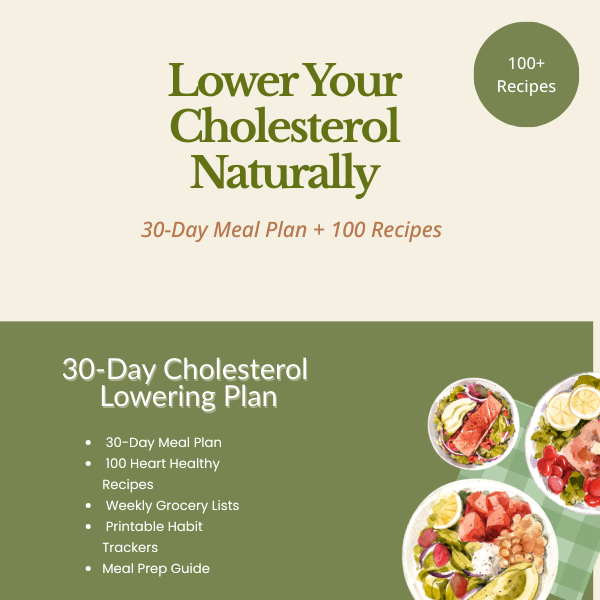
30-Day Cholesterol Reset System
A simple done-for-you plan to help you eat heart-healthy every day without confusion.
Over 1,000 people downloaded this guide
✔ 100 Easy Recipes
✔ Grocery Lists + Meal Prep Guide
🎁 FREE BONUSES:
✔ 7-Day Quick Start Plan
✔ Printable Grocery List
$29 $9
Get Instant AccessBut here’s where it gets interesting. Not all protein sources are created equal when you’re watching cholesterol. Red meat and full-fat dairy can pack a serious cholesterol punch, while lean proteins like chicken breast, fish, legumes, and egg whites give you all the benefits without the baggage.
According to research from the American Heart Association, combining high protein intake with low saturated fat can significantly improve cholesterol levels while supporting healthy weight loss. It’s not about cutting out entire food groups—it’s about making smarter swaps.
Think of it this way: would you rather eat two strips of bacon (high cholesterol, minimal protein) or a serving of grilled salmon (loaded with protein, heart-healthy fats, and practically zero dietary cholesterol)? Your taste buds and your arteries will both be happier with option two.
The Building Blocks: What You Need to Know
Before we jump into the meals, let’s talk about what actually counts as “high-protein” and “low-cholesterol.” I’m not going to bore you with exact numbers for every single food, but having a general framework helps.
High-protein generally means around 20-30 grams per serving. That’s your sweet spot for feeling satisfied and supporting muscle maintenance during weight loss.
Low-cholesterol means keeping dietary cholesterol under 200mg per day total, and more importantly, keeping saturated fat low—that’s what really messes with your cholesterol numbers. We’re aiming for meals with minimal saturated fat and plenty of fiber to help your body eliminate excess cholesterol.
The best proteins for this combo? Skinless poultry, fish (especially fatty fish like salmon), egg whites, Greek yogurt, legumes, tofu, and tempeh. These give you maximum protein with minimal cholesterol impact.
For more breakfast inspiration that follows these principles, 25 Low-Cholesterol Breakfast Ideas for Heart Health offers tons of ways to start your day right without sacrificing flavor.
Breakfast: Starting Strong Without the Cholesterol
Greek Yogurt Power Bowl
Plain Greek yogurt is ridiculously high in protein—we’re talking 15-20 grams per cup—and contains minimal fat if you go for the low-fat or non-fat versions. I top mine with berries, a sprinkle of chia seeds, and some sliced almonds. The fiber from the berries and seeds helps lower cholesterol naturally, while the protein keeps you full until lunch.
The key here is skipping the flavored yogurts that are basically dessert in disguise. Plain Greek yogurt with your own toppings gives you total control over sugar and keeps things genuinely healthy.
Egg White Veggie Scramble
Look, whole eggs are great and all, but if you’re being serious about keeping cholesterol in check, egg whites are your jam. Three egg whites give you about 11 grams of protein with zero cholesterol. Zero.
I load mine up with spinach, tomatoes, mushrooms, and bell peppers. Sometimes I throw in some black beans for extra fiber and protein. Use a little olive oil spray instead of butter, and you’ve got a breakfast that tastes indulgent but is actually working in your favor.
Overnight Oats with Protein Powder
This is my go-to when I’m running late (which is always). Mix rolled oats with unsweetened almond milk, a scoop of vanilla protein powder, some cinnamon, and let it sit overnight. In the morning, top with sliced banana and a tablespoon of almond butter.
The oats bring soluble fiber that actively helps reduce LDL cholesterol—that’s the bad kind—while the protein powder bumps up the protein content significantly. Plus, you can make five jars on Sunday and have breakfast handled all week.
If you’re into smoothies, you’ll definitely want to check out 18 Low-Cholesterol Smoothies and Juices for a Healthy Heart—they’re perfect for those mornings when you want something quick but substantial.
Smoked Salmon and Avocado Toast
Yes, avocado toast. But hear me out—this isn’t basic brunch nonsense. Whole grain bread gives you fiber, smoked salmon delivers omega-3s and protein, and avocado provides heart-healthy monounsaturated fats. This combination actually helps improve your cholesterol ratio.
Skip the cream cheese (dairy fat and cholesterol) and just mash that avocado right onto the toast. Add the salmon, squeeze some lemon, crack some black pepper, and you’re living your best low-cholesterol life.
Lunch: Midday Meals That Keep You Going
Mediterranean Chickpea Salad
Chickpeas are criminally underrated. One cup packs 15 grams of protein and 12 grams of fiber. Mix them with cucumber, cherry tomatoes, red onion, olives, and a lemon-herb dressing made with olive oil. Crumble some feta on top if you’re not being super strict about dairy.
This salad is refreshing, filling, and you can make a huge batch for meal prep. It actually gets better after sitting in the fridge for a day because the flavors meld together.
Looking for more midday options? 20 Low-Cholesterol Lunches That Keep You Full has tons of variations on this theme.
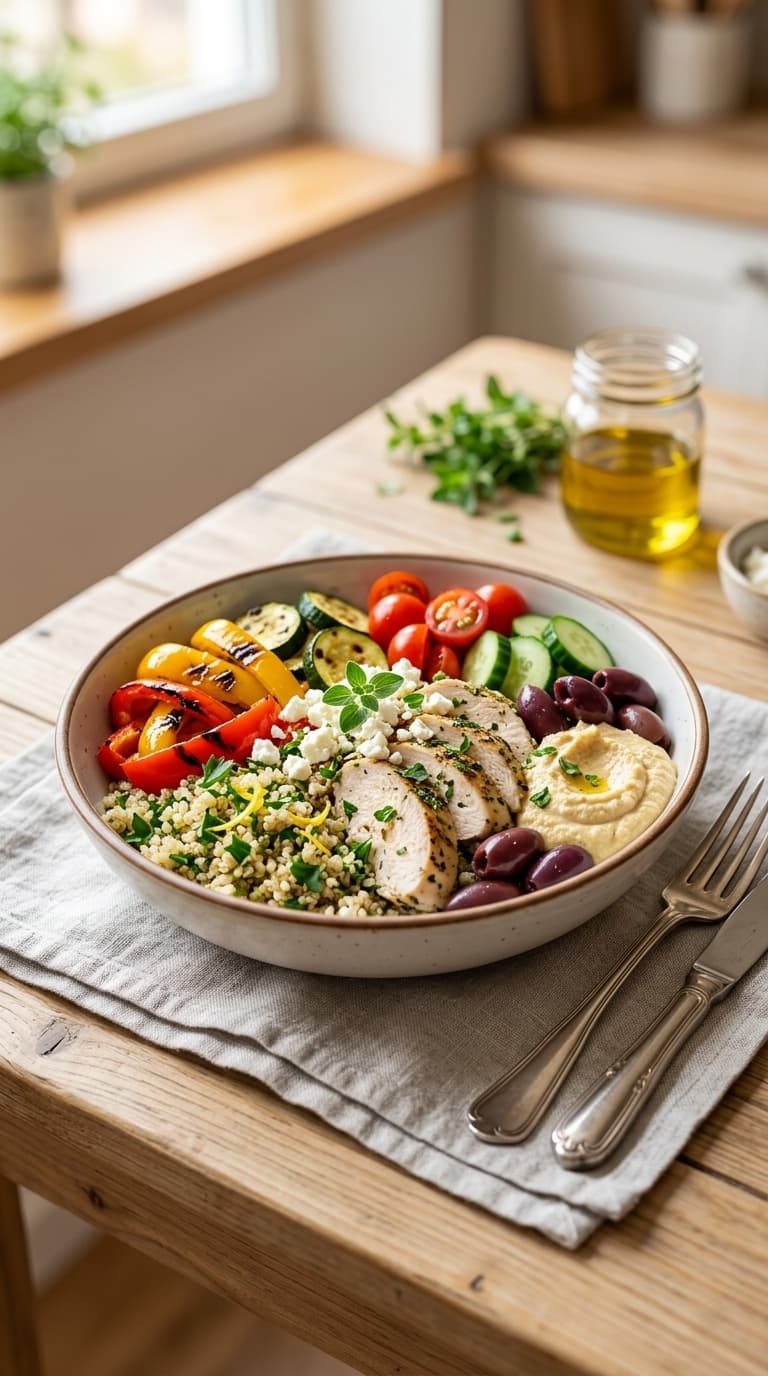
Grilled Chicken Buddha Bowl
Buddha bowls are just fancy meal prep bowls, but they work. Grilled chicken breast (seasoned properly, not that flavorless tragedy), quinoa, roasted sweet potato, steamed broccoli, and a tahini dressing. Every component serves a purpose.
The chicken delivers lean protein. Quinoa is a complete protein and adds fiber. Sweet potato gives you complex carbs and more fiber. Broccoli brings vitamins and—you guessed it—more fiber. Fiber is basically cholesterol’s worst enemy, so we’re loading up.
I use this meal prep container set for these bowls because they’re actually leakproof and the portions are perfect. Nothing worse than tahini dressing all over your bag.
Turkey and Hummus Wrap
Simple doesn’t mean boring. Grab a whole wheat tortilla, spread hummus generously (chickpeas again—more protein and fiber), add sliced turkey breast, lettuce, tomato, cucumber, and roll it up.
Turkey breast is one of the leanest proteins you can get. Pair it with the plant-based protein from hummus, and you’re hitting around 25-30 grams of protein in one wrap. The whole wheat tortilla adds fiber to help with cholesterol management.
Pro tip: toast the wrap slightly after rolling it up. Game changer.
Tuna Salad Lettuce Wraps
Canned tuna is cheap, convenient, and packed with protein. Mix it with plain Greek yogurt instead of mayo (mayo is basically pure fat), add diced celery, a little mustard, and some herbs. Serve in butter lettuce cups.
This swap alone saves you a ton of saturated fat and cholesterol while keeping all the protein benefits. Plus, tuna has those omega-3 fatty acids that actually help improve your cholesterol profile.
Dinner: Ending the Day Right
Baked Salmon with Roasted Vegetables
Salmon shows up on every healthy eating list for a reason. It’s high in protein, loaded with omega-3s, and has minimal impact on cholesterol. A 4-ounce serving gives you about 25 grams of protein.
I season mine with lemon, garlic, and dill, then bake it alongside Brussels sprouts, carrots, and red onion. Everything goes on one sheet pan, which means minimal cleanup. This silicone baking mat makes cleanup even easier—nothing sticks, and you’re not using foil or parchment every time.
Turkey Chili
Ground turkey is leaner than beef and costs less. Win-win. Make a big pot of chili with ground turkey, kidney beans, black beans, tomatoes, peppers, and spices. The bean combination gives you a ton of protein and fiber.
Serve it over cauliflower rice instead of regular rice if you want to keep carbs lower, or just have a smaller portion of brown rice. Either way, this is comfort food that actually supports your health goals.
Speaking of hearty, warming meals, 21 Low-Cholesterol Soups and Stews for Any Season has dozens of options that hit the same comfort food notes without the guilt.
Grilled Chicken Fajitas
Fajitas feel like cheating but they’re not. Marinate chicken breast in lime juice, garlic, and cumin. Grill it up with bell peppers and onions. Serve in whole wheat tortillas with salsa, guacamole, and a little Greek yogurt instead of sour cream.
The Greek yogurt swap is clutch here. Same creamy texture, way more protein, significantly less fat. Your taste buds won’t even notice the difference, but your cholesterol levels will.
Shrimp Stir-Fry
Shrimp is almost pure protein with minimal cholesterol impact when you eat it in reasonable portions. Stir-fry it with loads of vegetables—snap peas, broccoli, carrots, bell peppers—and serve over brown rice or quinoa.
Use a minimal amount of oil (I prefer avocado oil for high-heat cooking) and flavor everything with ginger, garlic, and low-sodium soy sauce or coconut aminos. Quick, easy, and you get a massive plate of food for relatively few calories.
One-Pan Wonders: Minimal Effort, Maximum Flavor
Let’s be real—some nights you just can’t deal with multiple pots and pans. That’s where one-pan meals save your sanity.
Sheet Pan Chicken and Vegetables
Throw chicken breasts, sweet potato chunks, Brussels sprouts, and red onion on a sheet pan. Drizzle with olive oil, season with herbs, and roast everything together. The vegetables caramelize, the chicken stays juicy, and you have one pan to wash.
This is peak lazy cooking, but it delivers on both nutrition and taste. The variety of vegetables ensures you’re getting different types of fiber and nutrients, all working together to manage cholesterol.
For more inspiration in this category, 21 Low-Cholesterol One-Pan Dinners for Easy Nights is basically a lifesaver for busy weeknights.
Baked Cod with Tomatoes and Olives
Cod is a mild, flaky white fish that’s incredibly high in protein and low in fat. Layer cherry tomatoes, olives, capers, and garlic in a baking dish. Place cod fillets on top, drizzle with a little olive oil, and bake.
The tomatoes create a sauce as they cook down, and the olives and capers add a briny punch that makes this feel way fancier than the effort required. Serve with a side of roasted asparagus or green beans.
Turkey Meatballs with Zucchini Noodles
Make meatballs with ground turkey, breadcrumbs (use whole wheat), egg whites, garlic, and Italian herbs. Bake them in the oven while you spiralize some zucchini. Toss the zucchini noodles with marinara sauce, top with the meatballs, and dinner is done.
The zucchini noodles keep this low-carb and add more vegetables to your plate. Turkey keeps it lean. And you can make a double batch of meatballs to freeze for future lazy dinners.
This spiralizer is the one I use for zucchini noodles—it’s sturdy, easy to clean, and doesn’t turn vegetables into mush like some of the cheaper versions.
Plant-Based Protein Options
Not everything needs to come from animals. Plant-based proteins can be just as effective for weight loss and cholesterol management, sometimes even more so.
Lentil Bolognese
Swap ground meat for lentils in your pasta sauce. Brown and green lentils hold their shape well and create a texture that’s surprisingly similar to ground beef. One cup of cooked lentils has 18 grams of protein and 16 grams of fiber.
Serve over whole wheat pasta or zucchini noodles. The lentils bring all the protein and fiber without any of the saturated fat or cholesterol you’d get from beef. Plus, lentils are ridiculously cheap.
Black Bean Burgers
Homemade black bean burgers are superior to those weird frozen veggie burgers that taste like compressed sadness. Mash black beans with oats, onion, garlic, cumin, and a little hot sauce. Form into patties and cook in a skillet.
Each burger packs around 15 grams of protein and a ton of fiber. Serve on a whole wheat bun with all the usual fixings, or skip the bun and serve over a salad.
If you’re looking for more plant-based inspiration, 25 Low-Cholesterol Vegetarian Meals You’ll Crave proves that meatless doesn’t mean boring or unsatisfying.
Tofu Scramble
Tofu is a blank canvas. Crumble firm tofu into a pan with turmeric (for color), nutritional yeast (for a cheesy flavor), and whatever vegetables you have on hand. Season with garlic powder, onion powder, and black pepper.
This gives you a scrambled egg texture without any cholesterol whatsoever. Half a block of tofu provides about 20 grams of protein. Serve with whole grain toast and you’ve got a solid breakfast or dinner.
Chickpea Curry
Simmer chickpeas in coconut milk with curry spices, tomatoes, spinach, and onions. Serve over brown rice. The chickpeas provide protein and fiber, while the spices add flavor without needing any high-fat ingredients.
Coconut milk does have saturated fat, so use light coconut milk to keep things in check. You still get the creamy texture without overdoing it on fat that could impact cholesterol.
Snacks That Count
Snacks can either sabotage your goals or support them. These high-protein, low-cholesterol options keep you satisfied between meals without derailing your progress.
Greek Yogurt with Berries
We’re back to Greek yogurt because it’s that good. Low-fat or non-fat Greek yogurt with fresh berries is the perfect afternoon snack. High protein, antioxidants from the berries, and it feels like you’re eating something indulgent.
Edamame
Steam some edamame, sprinkle with sea salt, and you’ve got a snack that’s fun to eat and nutritious. One cup of edamame has 17 grams of protein and 8 grams of fiber. It’s also really hard to mindlessly overeat when you have to shell each bean.
Turkey Roll-Ups
Slice of turkey breast, smear of hummus, roll it up around a cucumber stick. That’s it. Quick protein hit with minimal prep.
Roasted Chickpeas
Drain and rinse canned chickpeas, toss with a little olive oil and spices, roast until crispy. These are crunchy, satisfying, and way better for you than chips. You can season them however you want—everything bagel, BBQ, ranch, spicy.
Need more ideas in this department? 25 Low-Cholesterol Snacks That Support Heart Health has everything from quick bites to more involved options.
Meal Prep Strategies That Actually Work
Having good intentions is great, but meal prep is what turns intentions into results. Here’s what works for me without taking over my entire Sunday.
Batch Cook Proteins
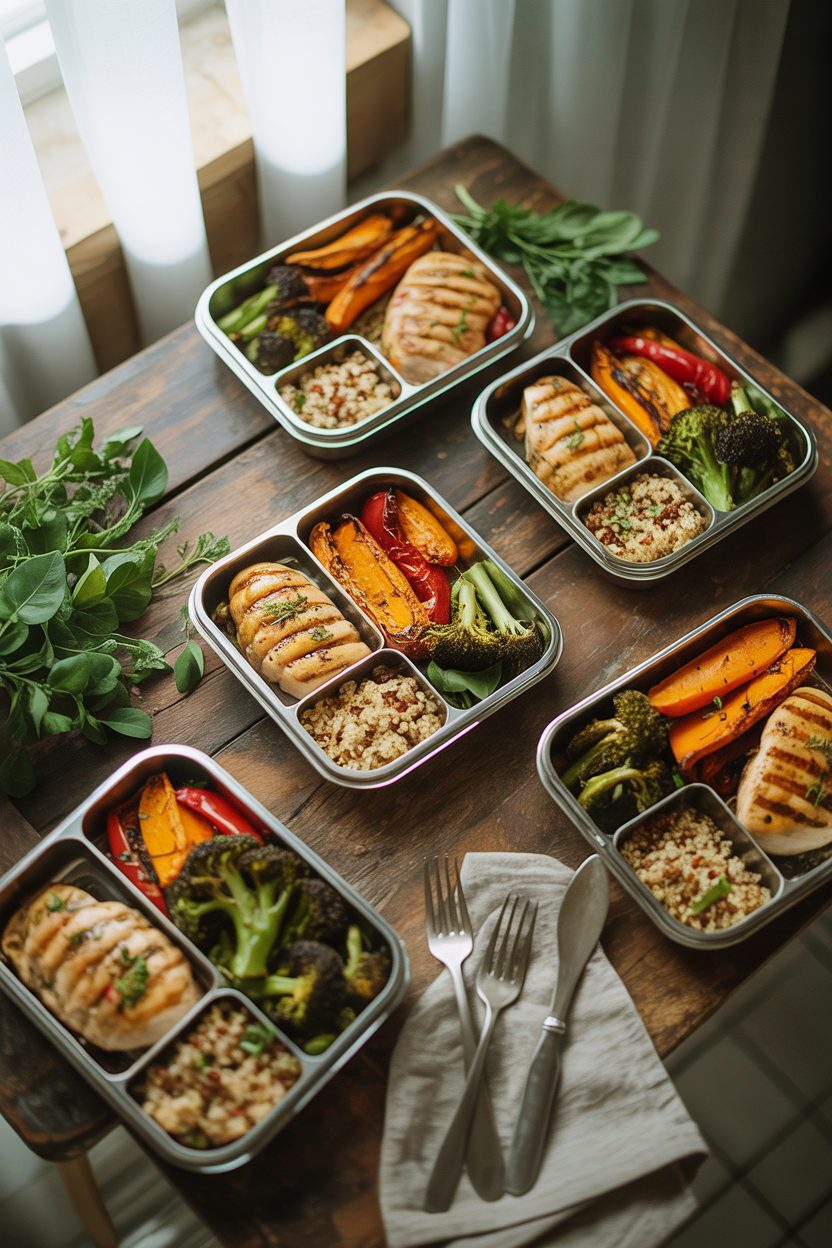
Grill or bake a bunch of chicken breasts, salmon fillets, or turkey meatballs at once. Store them in the fridge and use them throughout the week in different ways. Same protein, different meals.
For more chicken-specific ideas that work perfectly for meal prep, 20 Low-Cholesterol Chicken Recipes Packed with Flavor gives you tons of seasoning combinations and cooking methods so you never get bored.
Prep Your Vegetables
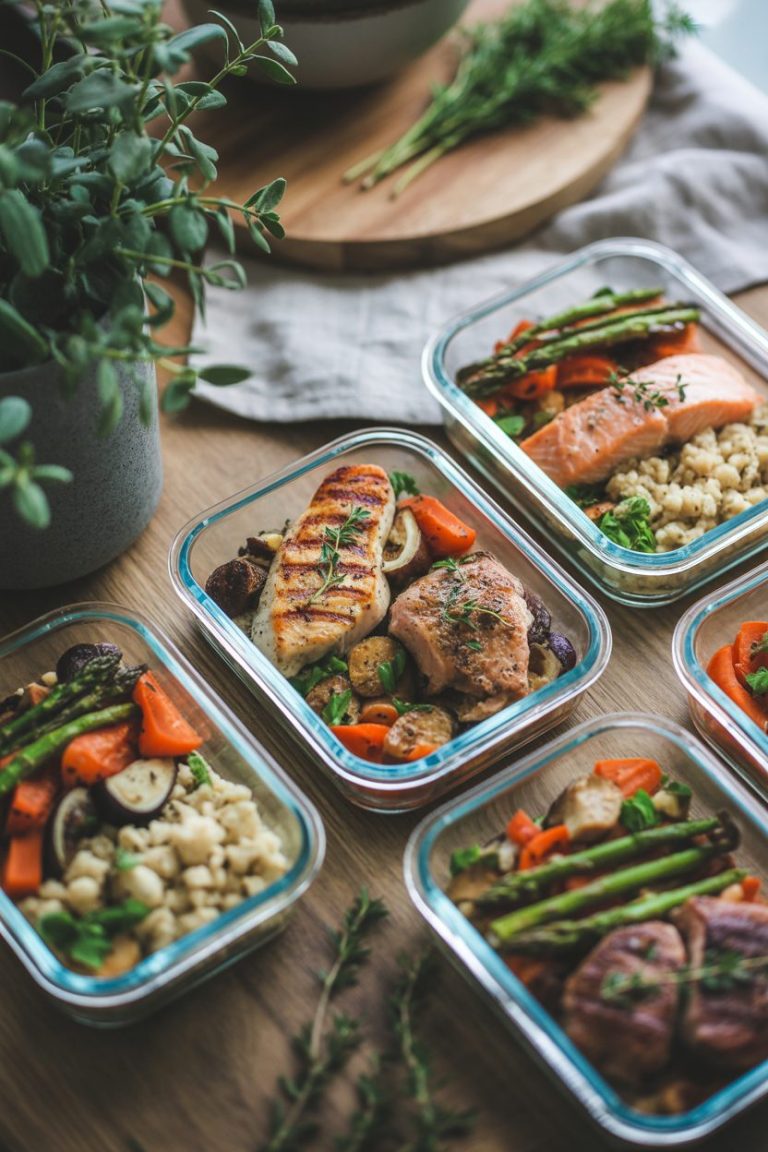
Wash, chop, and store vegetables in containers so they’re ready to go. Roast a big batch of vegetables on Sunday—sweet potatoes, Brussels sprouts, broccoli, cauliflower. They reheat well and can be added to any meal.
Make Grain Bowls in Advance
Cook a big batch of quinoa or brown rice. Portion it into containers with your protein and vegetables. When it’s time to eat, just heat and add fresh toppings like herbs, lemon juice, or a drizzle of tahini.
These glass meal prep containers are worth the investment—they don’t stain, don’t hold smells, and you can see what’s inside without opening every single one.
Keep It Simple
You don’t need to make five different elaborate meals. Make two or three recipes in larger quantities. Eating the same lunch three days in a row is better than eating fast food because you didn’t prep anything.
For comprehensive meal prep guidance, 25 Low-Cholesterol Meal Prep Ideas for the Week walks you through exactly how to set yourself up for success without spending all day in the kitchen.
Smart Substitutions That Make a Difference
Small swaps add up to big impacts on both cholesterol and weight loss. These are the substitutions I use constantly.
Greek Yogurt Instead of Sour Cream or Mayo
We’ve covered this, but it’s worth repeating. Greek yogurt works in almost any recipe that calls for sour cream or mayonnaise. Same creamy texture, way more protein, significantly less fat.
Cauliflower Rice Instead of Regular Rice
I’m not saying you can never have regular rice, but cauliflower rice lets you bulk up your plate without adding a ton of carbs. It’s especially useful for meals where rice is more of a vehicle for sauce than the star of the show.
Zucchini Noodles or Spaghetti Squash Instead of Pasta
Again, not never having pasta—just having it less often. Spiralized zucchini or roasted spaghetti squash give you that noodle experience with way more vegetables and fiber.
Nut Butter Instead of Butter
Almond butter or natural peanut butter on toast instead of regular butter gives you healthy fats, some protein, and no cholesterol. Just watch portions because nut butters are calorie-dense.
Egg Whites Instead of Whole Eggs
When you’re making scrambles or omelets, use mostly egg whites with one whole egg for flavor. You get all the protein with a fraction of the cholesterol.
Cooking Methods That Keep Things Healthy
How you cook matters just as much as what you cook. These methods maximize flavor while keeping cholesterol and calories in check.
Grilling
Grilling adds flavor without needing much fat. The char and smoke give you that savory depth that makes food satisfying. Works great for chicken, fish, vegetables, even fruit.
Baking and Roasting
Oven cooking requires minimal added fat and allows vegetables to caramelize naturally. Roasting brings out sweetness in vegetables and keeps proteins juicy.
Steaming
Steaming preserves nutrients and requires zero added fat. It’s not the most exciting method, but it’s useful for vegetables that you’ll season afterward or add to other dishes.
Sautéing with Minimal Oil
Use a good non-stick pan or this cast iron skillet and you can sauté with just a light spray of oil or even a splash of broth. You get the caramelization and flavor development without drowning food in fat.
Air Frying
Air fryers are basically mini convection ovens that make things crispy without deep frying. Great for chicken, fish, even chickpeas if you’re making that crunchy snack I mentioned earlier.
Flavor Without the Fat
Keeping cholesterol low doesn’t mean eating boring food. These flavor boosters add tons of taste without the saturated fat or cholesterol.
Fresh Herbs
Cilantro, parsley, basil, dill—fresh herbs make everything taste brighter and more vibrant. They’re basically calorie-free and add complexity to simple dishes.
Citrus
Lemon, lime, orange zest—citrus adds acidity that balances flavors and makes food taste more interesting. Squeeze lemon over fish, chicken, vegetables, everything.
Spices
Cumin, paprika, chili powder, curry powder, cinnamon—spices are where flavor lives. They have no fat, no cholesterol, and minimal calories. Build a good spice collection and you’ll never eat boring chicken breast again.
Garlic and Ginger
Fresh garlic and ginger add depth and warmth to dishes. Sauté them in a little oil at the start of cooking and they create a flavor base for everything else.
Hot Sauce and Vinegar
Both add punch and interest without calories or fat. Hot sauce on eggs, vinegar in dressings, both are essential in my kitchen.
Making Restaurant Meals Work
You can’t meal prep forever. Sometimes you need to eat out or order in. Here’s how to make it work with your goals.
Look for Grilled Options
Choose grilled fish, chicken, or shrimp over fried versions. Request sauces on the side so you control how much you use.
Load Up on Vegetables
Order extra vegetables as sides. Most restaurants will substitute fries or rice for steamed or roasted vegetables if you ask.
Skip the Bread Basket
Just push it away or ask the server not to bring it. Those pre-meal carbs add up quickly and usually come with butter.
Watch Portion Sizes
Restaurant portions are usually double or triple what you actually need. Plan to take half home before you even start eating, or split an entrée with someone.
Choose Simple Preparations
Dishes with cream sauces, cheese, or fried components are delicious but not aligned with low-cholesterol goals. Stick with simple preparations and you’ll have more control over what you’re eating.
The Mindset Piece Nobody Talks About
Here’s something that took me way too long to figure out: this isn’t about perfection. You’re not trying to eat perfectly low-cholesterol, high-protein meals for the rest of your life without ever deviating.
You’re trying to make better choices most of the time so that your overall patterns support your health and weight goals. Some meals will be perfect. Some will be good enough. Some will be whatever you managed to pull together on a chaotic day. All of that is fine.
The people who succeed with weight loss and cholesterol management aren’t the ones who follow rigid rules. They’re the ones who develop flexible habits they can maintain long-term. That means finding meals you actually enjoy, not forcing yourself to eat things you hate because they’re “healthy.”
If you hate salmon, don’t eat salmon. Find a different protein you like. If meal prep stresses you out, don’t do elaborate meal prep. Find simpler strategies that work for your lifestyle.
The goal is sustainable change, not temporary perfection followed by giving up because it’s too hard.
Dealing with Cravings and Hunger
High-protein meals help a lot with hunger management, but cravings are a different beast. Here’s what actually helps.
Drink Enough Water
Sometimes what feels like hunger is actually thirst. Drink water consistently throughout the day. Get yourself a good water bottle that you actually like carrying around—it makes a difference.
Don’t Skip Meals
Skipping meals to save calories usually backfires. You end up ravenous and make poor choices later. Stick to regular meals with protein at each one.
Plan for Treats
If you know you’re going to want dessert or something indulgent, plan for it. Eat your healthy, high-protein meals earlier in the day so you have room for something you’re craving without derailing everything.
Speaking of treats, 18 Low-Cholesterol Desserts You’ll Love Guilt-Free proves you don’t have to give up sweets entirely—you just need smarter versions.
Eat Enough Volume
Protein and fiber keep you full, but so does eating enough physical food. Load up your plate with non-starchy vegetables to create volume without adding tons of calories.
Tracking Progress Without Obsessing
You need some way to measure whether what you’re doing is working, but you don’t need to obsess over every gram of food or every fluctuation on the scale.
Get Your Cholesterol Checked
The whole point of eating low-cholesterol meals is to improve your numbers. Get baseline blood work done, then check again after a few months of dietary changes. That’s your real measure of success.
According to guidelines from the Mayo Clinic, most adults should have their cholesterol checked every four to six years, but if you’re actively working on lowering it, more frequent testing helps you see if your dietary changes are working.
Take Photos
Progress photos show changes that the scale might miss. Take them in the same lighting and clothing every few weeks. You’ll notice differences in how you look even if the scale barely moves.
Notice How You Feel
Energy levels, sleep quality, how your clothes fit, whether you feel bloated—these are all valid markers of progress. If you feel better, something is working.
Don’t Weigh Yourself Daily
Weight fluctuates for a million reasons that have nothing to do with actual fat loss. Weekly weigh-ins are plenty, and even then, focus on the overall trend over time rather than individual weigh-ins.
Understanding How Food Impacts Cholesterol
It helps to understand the mechanism here. Dietary cholesterol (what you eat) has less impact on blood cholesterol than most people think. Saturated fat is actually the bigger villain—it causes your liver to produce more cholesterol.
That’s why these meals focus on lean proteins and healthy fats. Foods high in soluble fiber, like oats, beans, and vegetables, actually help your body eliminate cholesterol. Omega-3 fatty acids from fish help improve your overall cholesterol ratio by raising HDL (the good kind) while lowering triglycerides.
When you combine high-protein meals with plenty of fiber and minimal saturated fat, you’re creating the ideal conditions for your body to naturally regulate cholesterol levels. Add in weight loss, which independently improves cholesterol, and you’re tackling the problem from multiple angles.
For a deeper dive into which specific foods help the most, 25 Foods That Naturally Lower Cholesterol breaks down the science behind ingredients you should be eating regularly.
Building a Sustainable Routine
The trick to making this work long-term is creating systems that don’t require constant willpower or decision-making.
Stock Your Kitchen Right
Keep your fridge and pantry filled with the basics: lean proteins, eggs, Greek yogurt, canned beans, frozen vegetables, whole grains, olive oil, and basic spices. When you have the right ingredients on hand, making healthy meals becomes the path of least resistance.
Plan But Stay Flexible
Have a rough plan for the week, but don’t stress if things change. Maybe you planned salmon for Tuesday but you’re too tired to cook—that’s when having frozen grilled chicken strips or canned tuna saves the day.
Prep in Stages
You don’t need to do all your prep in one marathon Sunday session. Prep vegetables on Sunday, cook proteins on Monday, make grain bowls on Tuesday. Breaking it up makes it less overwhelming.
Find Your Go-To Meals
Everyone needs a rotation of 5-7 meals they can make without thinking. These become your foundation. You can add variety and try new recipes, but having reliable standbys prevents decision fatigue.
Related Recipes You’ll Love
Looking for more inspiration? Here are some recipes that pair perfectly with what we’ve covered:
Complete Meal Collections: 25 Low-Cholesterol Meals That Are Actually Delicious 21 Low-Cholesterol Dinners You’ll Want to Make Again 25 Heart-Healthy Meals Under 400 Calories
Specific Meal Types: 20 Low-Cholesterol Chicken Recipes Packed with Flavor 25 Low-Cholesterol Vegetarian Meals You’ll Crave
Supporting Resources: 25 Foods That Naturally Lower Cholesterol
Final Thoughts
Building a rotation of high-protein, low-cholesterol meals that support weight loss isn’t rocket science, but it does require some planning and effort upfront. Once you have a handful of meals you actually like and know how to make, it becomes routine.
The meals I’ve shared here aren’t complicated or expensive. Most use ingredients you can find at any grocery store, and none require advanced cooking skills. Start with a few that sound good to you, master those, then add more variety as you get comfortable.
Your cholesterol levels and your waistline will both improve when you consistently choose meals that prioritize lean proteins, fiber-rich foods, and healthy fats while minimizing saturated fat and refined carbs. You don’t need to be perfect—you just need to be consistent enough that these choices become your normal.
And honestly? Once you start feeling better, sleeping better, and seeing results, eating this way stops feeling like a sacrifice and starts feeling like taking care of yourself. Which is exactly what it is.
30-Day Cholesterol-Lowering Meal Plan
A simple step-by-step system to help you eat heart-healthy every day without stress.
Over 1,000 people downloaded this guide
$29$9
Get Instant Access