
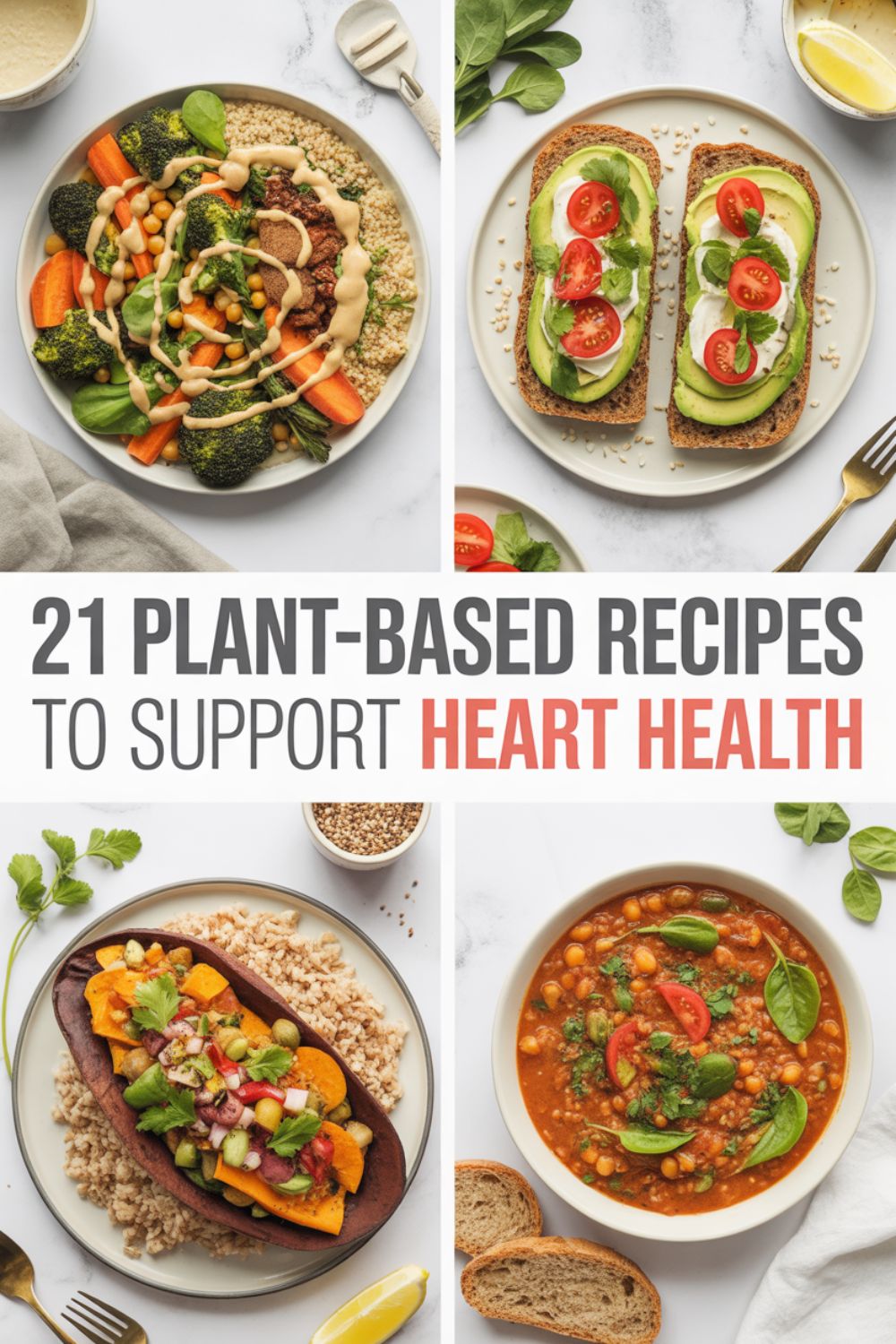
21 Plant-Based Recipes to Support Heart Health
Let me be straight with you: nobody wakes up one morning and thinks, “You know what sounds amazing? A sad plate of boiled vegetables for my heart.” And yet here we are, collectively convinced that eating for cardiovascular health has to mean suffering through bland, joyless food. It does not. Not even a little bit.
I started leaning into plant-based cooking a few years back after a routine checkup showed my LDL numbers creeping higher than I was comfortable with. My doctor suggested dietary changes, I panicked, and then I spent about three weeks eating the most aggressively boring “healthy food” imaginable before finally deciding there had to be a better way. Turns out, there absolutely is.
These 21 plant-based recipes are the ones that stuck. They are the meals I actually make on a Tuesday night, pack for lunch on a Wednesday, and serve to guests without issuing a disclaimer. They happen to be excellent for your heart, but mostly I keep making them because they taste genuinely good. That combination, IMO, is the whole point.
Why Plant-Based Eating Actually Moves the Needle on Heart Health
Before getting into the recipes themselves, it is worth taking a moment to understand why this category of eating shows up so consistently in conversations about cardiovascular health. It is not hype. The research is genuinely compelling, and understanding it makes you a much more motivated cook.
30-Day Cholesterol Reset System
A simple done-for-you plan to help you eat heart-healthy every day without confusion.
Over 1,000 people downloaded this guide
✔ 100 Easy Recipes
✔ Grocery Lists + Meal Prep Guide
🎁 FREE BONUSES:
✔ 7-Day Quick Start Plan
✔ Printable Grocery List
$29 $9
Get Instant AccessSoluble fiber is one of the biggest players here. Found in foods like oats, lentils, chickpeas, apples, and flaxseed, soluble fiber binds to cholesterol in the digestive tract and helps carry it out of the body before it can enter circulation. That is not a small thing. It is one of the most direct dietary levers you can pull when it comes to LDL levels. According to research published through the American Heart Association, people who consistently eat more plant-centered foods — particularly those rich in viscous fiber, plant proteins, nuts, and healthy plant fats — show measurably lower rates of cardiovascular events over time.
Plant foods also deliver a steady supply of antioxidants and phytochemicals that reduce oxidative stress in the arteries, which is a key driver of plaque buildup. Berries, leafy greens, walnuts, olive oil, and legumes all contribute here. You are not just reducing bad stuff — you are actively adding protective compounds every time you eat.
Then there is the saturated fat equation. Replacing saturated fat (heavy in animal products and processed foods) with the unsaturated fats found in avocados, nuts, and olive oil has a clear positive effect on cholesterol ratios. A review of clinical studies in the journal PMC found that plant-based dietary patterns are consistently associated with improvements in LDL cholesterol, blood pressure, and inflammatory markers compared to standard Western diets.
None of this requires becoming fully vegan. What it does require is making plants the main event, most of the time. These 21 recipes are exactly that.
Morning Recipes That Give Your Heart a Running Start
1. Overnight Oats With Ground Flaxseed and Blueberries
Oats are one of the most well-researched cholesterol-lowering foods on the planet, and overnight oats make them dead simple to execute. The base is rolled oats soaked in unsweetened almond milk or oat milk, layered with a tablespoon of ground flaxseed (hello, omega-3s and lignans), and topped with a generous handful of fresh blueberries. The anthocyanins in blueberries work alongside the beta-glucan in oats to give your arteries a genuine morning win. Prep this the night before in a mason jar and breakfast is done. Get Full Recipe
A word on flaxseed versus chia: both are excellent sources of plant-based omega-3 fatty acids, but ground flaxseed edges out whole flaxseed on bioavailability — your body cannot break down the whole seeds properly. Chia, on the other hand, works well whole and adds a pleasant pudding texture. Neither is wrong here; just use what you have.
2. Avocado Toast on Whole Grain With Hemp Seeds
Classic for a reason. Smash half an avocado onto dense whole grain sourdough, hit it with a squeeze of lemon, a pinch of red pepper flakes, and two tablespoons of hemp seeds. The monounsaturated fats in avocado are heart-protective, the hemp seeds add all three essential amino acids plus a small hit of omega-3s, and whole grain bread provides the fiber backbone. It takes four minutes. There is genuinely no excuse not to eat well in the morning with this one in your rotation.
3. High-Fiber Green Smoothie Bowl
Blend frozen banana, spinach, unsweetened oat milk, and a tablespoon of almond butter until thick. Pour into a bowl and top with sliced kiwi, hemp seeds, pumpkin seeds, and a thin drizzle of raw honey. The spinach delivers folate and magnesium — both important for cardiovascular function — while the banana provides potassium to help manage blood pressure. Use a high-powered blender like this one to get the consistency genuinely smooth rather than gritty, which makes a noticeable difference in enjoyability.
For more morning inspiration, check out these cholesterol-lowering breakfast ideas or these heart-healthy smoothie bowls — both worth bookmarking.
4. Savory Chickpea Scramble
Mash one can of drained chickpeas with a fork until rough and chunky. Cook in a skillet with olive oil, turmeric, cumin, garlic powder, and a big handful of wilted spinach. Top with sliced cherry tomatoes and serve with whole grain toast. The chickpeas deliver a substantial protein hit alongside soluble fiber, and the turmeric brings curcumin — a compound with well-documented anti-inflammatory properties. This one genuinely fools people who expect tofu. Get Full Recipe
Lunch Recipes Worth Actually Looking Forward To
5. Lentil and Roasted Vegetable Grain Bowl
Cook green or French lentils until just tender (they hold their shape better than red lentils here), then serve over a base of farro or brown rice. Add a medley of sheet-pan-roasted vegetables — zucchini, red onion, cherry tomatoes, and bell pepper — and finish with a tahini-lemon dressing. Lentils are one of the most fiber-dense legumes available, and green lentils carry roughly 8 grams of fiber per cooked half-cup. That is a significant contribution toward the daily 25–35 grams recommended for cholesterol management. Store leftovers in a glass meal prep container set like this one — way better than plastic for both taste and longevity.
6. White Bean and Kale Soup
This is the kind of soup that tastes like it simmered all day but actually comes together in about thirty minutes. Sauté diced onion, garlic, and celery in olive oil, add vegetable broth, cannellini beans, chopped kale, diced tomatoes, and Italian seasoning. White beans provide both protein and soluble fiber in a single ingredient, and kale delivers a potent dose of vitamin K and antioxidants. Serve with a slice of dense sourdough and call it a lunch that actually keeps you full until dinner. Get Full Recipe
I started making the white bean and kale soup every Sunday for meal prep and my cholesterol dropped 18 points in two months. My cardiologist asked what I changed.
— Mireille T., community member7. Mediterranean Quinoa Salad
Quinoa, cucumber, cherry tomatoes, kalamata olives, red onion, fresh parsley, and a simple lemon-olive oil dressing. This one has Mediterranean diet written all over it, which is not an accident — that dietary pattern consistently performs well in cardiovascular research for its combination of unsaturated fats, fiber, and polyphenol-rich vegetables. Make a double batch and eat it for three days. The flavors genuinely improve overnight. See more Mediterranean diet recipes for cholesterol control if this is the direction your cooking instincts are pulling you.
8. Spiced Red Lentil Dal With Brown Rice
Red lentils practically cook themselves — no soaking, ready in under twenty minutes. Simmer with diced tomatoes, onion, garlic, ginger, cumin, coriander, turmeric, and coconut milk (the lighter canned variety works beautifully). Serve over brown rice and top with fresh cilantro and a squeeze of lime. This is a legitimately satisfying meal that costs almost nothing per serving and delivers a powerhouse of fiber, plant protein, and anti-inflammatory spices. Use a wide, heavy-bottomed pot like this one for even heat distribution — the lentils catch and scorch easily in thin-bottomed pans.
Dinner Recipes That Make Plant-Based Eating Feel Like a Choice, Not a Compromise
9. Black Bean and Sweet Potato Tacos
Roast cubed sweet potato with cumin, smoked paprika, and olive oil until golden and slightly caramelized. Warm corn tortillas, fill with the sweet potato, spiced black beans, shredded purple cabbage, sliced avocado, and a drizzle of lime-cilantro crema made from cashew cream. The combination of black beans and sweet potato gives you both soluble fiber and beta-carotene, while the avocado delivers heart-healthy monounsaturated fat in the most delicious possible delivery mechanism. Tacos, people. This is not a sacrifice.
10. Stuffed Bell Peppers With Farro, Spinach, and Walnuts
Halve and roast bell peppers until soft, then fill with a mixture of cooked farro, wilted spinach, sun-dried tomatoes, toasted walnuts, and fresh basil. Walnuts are one of the few plant sources of ALA omega-3 fatty acids, and they have a well-established positive effect on LDL particle quality. Farro, an ancient grain, delivers far more fiber and protein than white rice with a nutty flavor that holds up beautifully in stuffing. Use a silicone basting brush like this one to coat the peppers evenly with olive oil before roasting — it takes five seconds and makes the skins properly tender.
11. Cauliflower and Chickpea Curry
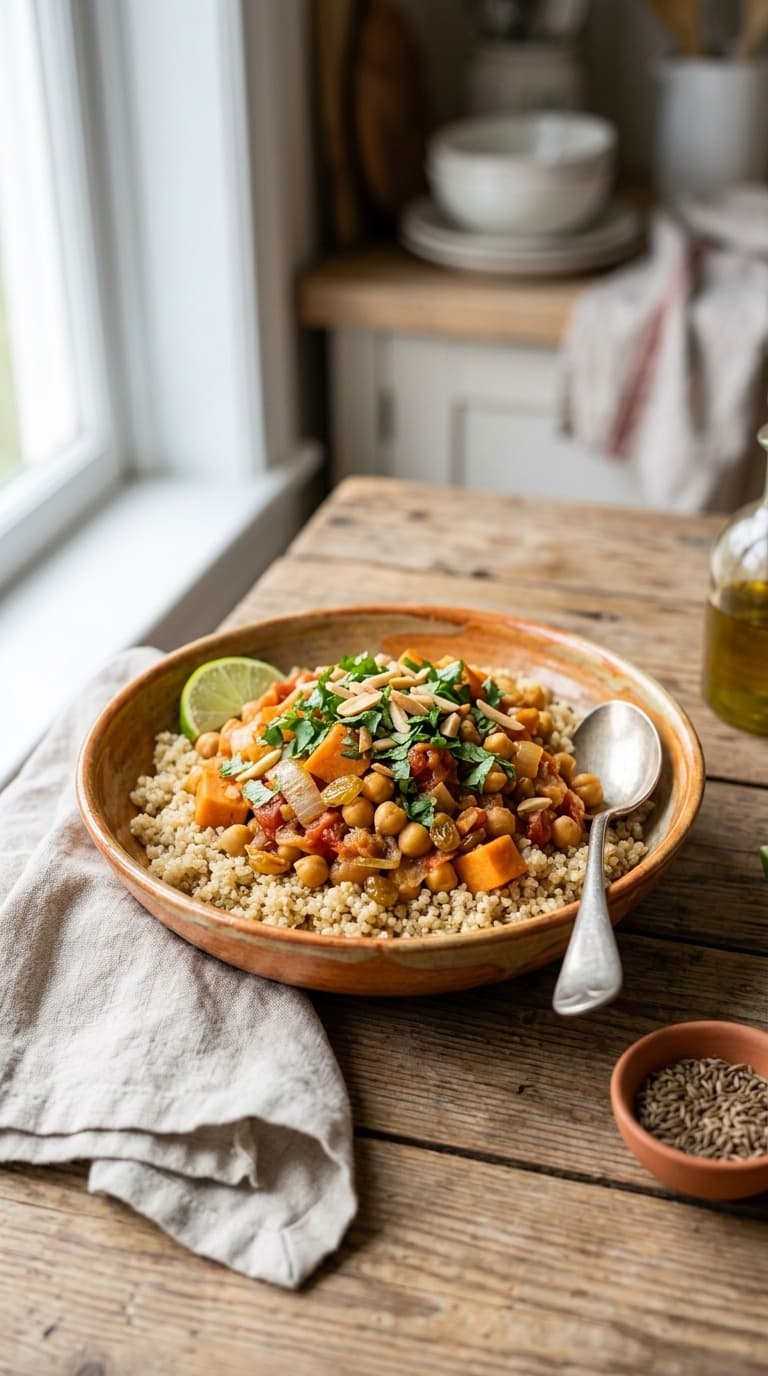
This is the recipe that converts skeptics. Roast cauliflower florets until deeply caramelized, then simmer with chickpeas in a sauce of coconut milk, tomatoes, onion, garlic, ginger, garam masala, and turmeric. The result is rich, deeply savory, and genuinely satisfying in a way that no one in their right mind would describe as “diet food.” Serve over basmati or brown rice. The chickpeas provide the fiber and protein; the turmeric provides the anti-inflammatory support; the coconut milk — used in moderation — provides the indulgence that makes you actually want to cook this again.
12. One-Pan Roasted Salmon-Free Omega Bowl With Edamame and Brown Rice
Not all omega-3 sources come from fish. This bowl builds around shelled edamame, steamed brown rice, shredded purple cabbage, sliced cucumber, shredded carrots, and a ginger-tahini dressing enriched with ground flaxseed. Edamame provides both omega-3 ALA and isoflavones from soy — a combination that research has linked to improvements in LDL cholesterol and reduced arterial inflammation. Top with toasted sesame seeds and nori strips for that satisfying umami hit. See the full collection of low-cholesterol one-pan dinners if simple weeknight cleanup is a priority for you.
13. Walnut and Mushroom Bolognese Over Whole Wheat Pasta
Pulse walnuts and cremini mushrooms separately in a food processor until finely chopped. Cook with olive oil, onion, garlic, celery, carrot, canned crushed tomatoes, red wine, and Italian herbs for a sauce with remarkable depth. Toss over whole wheat spaghetti and finish with fresh parsley. Mushrooms add umami and B vitamins; walnuts add omega-3s and healthy fats; whole wheat pasta doubles the fiber compared to refined pasta. I use a good food processor like this one for the prep — the texture difference between hand-chopped and processor-pulsed is significant in this recipe.
14. White Bean and Roasted Tomato Stew With Crusty Bread
Roast a sheet pan of cherry tomatoes, garlic, and shallots in olive oil until deeply concentrated and jammy. Blend half of it, leave the rest whole, and combine with cannellini beans and vegetable broth. Simmer, season generously, and serve with whole grain bread for dipping. This is peasant food in the best possible sense — simple, nourishing, and wildly satisfying. The beans carry the fiber load; the olive oil carries the cardiovascular benefit; the tomatoes carry the lycopene, a carotenoid with antioxidant properties that studies associate with reduced arterial inflammation.
Snacks and Sides That Pull Real Weight
15. Roasted Chickpeas With Smoked Paprika
Toss a drained, dried can of chickpeas with olive oil, smoked paprika, cumin, garlic powder, and salt. Roast at 400°F on a parchment-lined sheet pan until crispy, about 25–30 minutes, shaking halfway. The result is crunchy, deeply savory, and genuinely addictive. Chickpeas carry about 6 grams of fiber per half-cup along with a solid hit of plant protein — substantially better than most packaged snacks on any metric you care to measure. I use a quality rimmed baking sheet like this one that distributes heat evenly and keeps the chickpeas from steaming in their own moisture.
16. Edamame With Lemon Zest and Sea Salt
Steam or microwave frozen edamame in the pod, toss with a squeeze of lemon, a little lemon zest, and flaky sea salt. That is the entire recipe. It is embarrassingly easy and genuinely one of the better snacks for heart health in existence. Soy foods like edamame have been shown in multiple clinical studies to modestly reduce LDL cholesterol, particularly in people with elevated baseline levels. FYI — this also works brilliantly as a side dish alongside any of the grain bowls above.
17. Walnut and Dark Chocolate Energy Bites
Blend Medjool dates, rolled oats, walnuts, cocoa powder, and a pinch of salt in a food processor. Roll into balls and refrigerate. The walnuts deliver omega-3s; the oats contribute soluble fiber; dark cocoa is rich in flavanols that support healthy endothelial function. These feel like a treat and function like medicine. The texture works best when you use a good mini food chopper like this one — it breaks down the dates just enough without turning everything into paste.
These energy bites replaced my 3 p.m. candy bar habit. Three months in, my doctor cut my statin dose in half. I’m not saying the bites did it alone, but I’m not not saying that either.
— Daniel R., community memberKitchen Tools That Make This Whole Thing Easier
A few things I actually use — not a gear obsession, just the stuff that removes friction.
High-Powered Personal Blender
Makes smoothie bowls genuinely smooth, not grainy. Also handles nut butters and dressings without drama. The kind of thing you use every single day.
Glass Meal Prep Containers (Set of 10)
Better than plastic for leftovers — no staining, no flavor transfer, and you can reheat directly in them. The cornerstone of actually eating healthy through a busy week.
Heavy-Bottomed Dutch Oven
Perfect for soups, stews, dal, and curries. The even heat distribution means nothing scorches, and it goes from stovetop to oven without complaint. One pot, endless use.
Plant-Based Meal Planning App (Premium)
Generates weekly meal plans with automatic shopping lists. Huge time saver when you are trying to eat consistently without reinventing the wheel every Sunday.
Heart-Healthy Recipe E-Book Bundle
A solid library of tested recipes organized by meal type and prep time. The kind of resource that earns its place in your bookmarks because you actually open it.
Nutrition Tracking App (Annual Plan)
Tracking fiber and saturated fat intake for a few weeks is genuinely eye-opening. You do not have to do it forever — just long enough to understand your own patterns.
Desserts and Drinks That Belong in This Category
18. Baked Cinnamon Pears With Walnuts and Oat Crumble
Halve and core Bosc pears, nestle them in a baking dish, fill each with a mixture of chopped walnuts, rolled oats, cinnamon, and a drizzle of maple syrup. Bake at 375°F until the pears are tender and the topping is golden. This is genuinely dessert — sweet, warm, satisfying — that also happens to deliver soluble fiber from the oats and ALA omega-3s from the walnuts. I use a small melon baller like this one for coring the pears; it removes the core cleanly without destroying the fruit. Oddly satisfying to use.
19. Dark Chocolate Avocado Mousse
Blend ripe avocado, high-quality dark cocoa powder, maple syrup, vanilla extract, and a small pinch of salt until completely smooth. Refrigerate for an hour and serve in small glasses with fresh raspberries. The avocado base delivers creamy texture alongside heart-healthy monounsaturated fats, and dark chocolate’s flavanol content supports endothelial health. This is the recipe people refuse to believe does not contain dairy. Use 70% or higher cocoa content for maximum flavanol impact and the best flavor balance.
20. Golden Milk Oat Latte
Warm oat milk with turmeric, cinnamon, ginger, a crack of black pepper (which activates curcumin absorption), and a small amount of coconut oil. Froth if you have a frother, sweeten lightly with honey if needed. This is not a novelty drink — it is a genuinely enjoyable daily habit that combines anti-inflammatory compounds in a format that feels indulgent. Pair with any of the low-cholesterol smoothies and juices in our collection for a full morning drink rotation.
21. Berry and Chia Seed Parfait
Layer chia pudding (made with oat milk and a touch of vanilla, set overnight) with mixed berries and a sprinkle of granola made with oats and almonds. Chia seeds are exceptional for heart health: they deliver soluble fiber, omega-3 ALA, and lignans in a small package. The berries add anthocyanins and vitamin C. The granola adds crunch and additional oat-based beta-glucan. This works as dessert, breakfast, or a mid-afternoon snack without apology. For a wider collection of options in this vein, browse these easy low-cholesterol smoothie bowls.
Frequently Asked Questions
How quickly can a plant-based diet lower cholesterol?
Many people see measurable changes in LDL cholesterol within four to eight weeks of consistently eating more soluble fiber, plant proteins, and healthy fats while reducing saturated fat intake. The degree of change depends on your starting numbers, genetic factors, and how fully you shift your eating patterns. Some individuals see drops of 15–30 points in a matter of months — particularly those who were previously eating high amounts of animal-based saturated fat.
Do I need to go fully vegan to support heart health through diet?
No. The research consistently shows that even a partial shift toward plant-centered eating produces cardiovascular benefits. You do not need to eliminate all animal products to move your numbers in the right direction. Making plants the majority of your plate — and being consistent about it over time — is what matters most. Many people follow an 80/20 approach with excellent results.
Are plant-based proteins as effective as animal proteins for staying full?
When combined strategically, yes. Legumes, tofu, tempeh, edamame, quinoa, and seeds all deliver complete or near-complete amino acid profiles alongside fiber — which is the key variable that animal proteins lack entirely. The fiber in plant proteins slows digestion significantly, which extends satiety in a way that animal protein alone does not. Pairing a protein source like lentils with a healthy fat like tahini or avocado is particularly effective for sustained fullness.
Which plant foods have the biggest impact on LDL cholesterol specifically?
Oats and barley (beta-glucan soluble fiber), legumes of all kinds, ground flaxseed, nuts (especially walnuts and almonds), and foods containing plant sterols are consistently the most studied and most effective for reducing LDL. Including multiple categories regularly — rather than relying on a single superfood — produces the strongest and most sustained results. Explore our guide to low-cholesterol foods for a stronger heart for a broader breakdown.
Can I meal prep these plant-based recipes in advance?
Most of them, yes. Grain bowls, soups, stews, dal, energy bites, and chia pudding all store well for three to five days in the refrigerator and most freeze beautifully. The key is storing grains and sauces separately where possible to preserve texture. Browse these low-cholesterol meal prep ideas for a more structured approach to batching a full week of heart-healthy eating.
Your Heart Will Thank You. Eventually Out Loud.
Here is what I want you to take from all of this: eating for heart health does not require deprivation, weird ingredients, or meals that taste like cardboard. It requires leaning into foods that have always been excellent — legumes, whole grains, leafy greens, nuts, healthy fats — and cooking them in ways that actually taste like something.
These 21 plant-based recipes are a starting point. Some will become staples immediately. Others will take a rotation or two before they click. That is completely normal. The whole point is to build a repertoire of real food that you genuinely want to eat, that also happens to do good things for your LDL numbers, your blood pressure, and your long-term cardiovascular health.
Start with two or three recipes from this list. Get comfortable. Then add more. The incremental approach works, and the research is solidly on your side. Cook something tonight.
30-Day Cholesterol-Lowering Meal Plan
A simple step-by-step system to help you eat heart-healthy every day without stress.
Over 1,000 people downloaded this guide
$29$9
Get Instant Access