
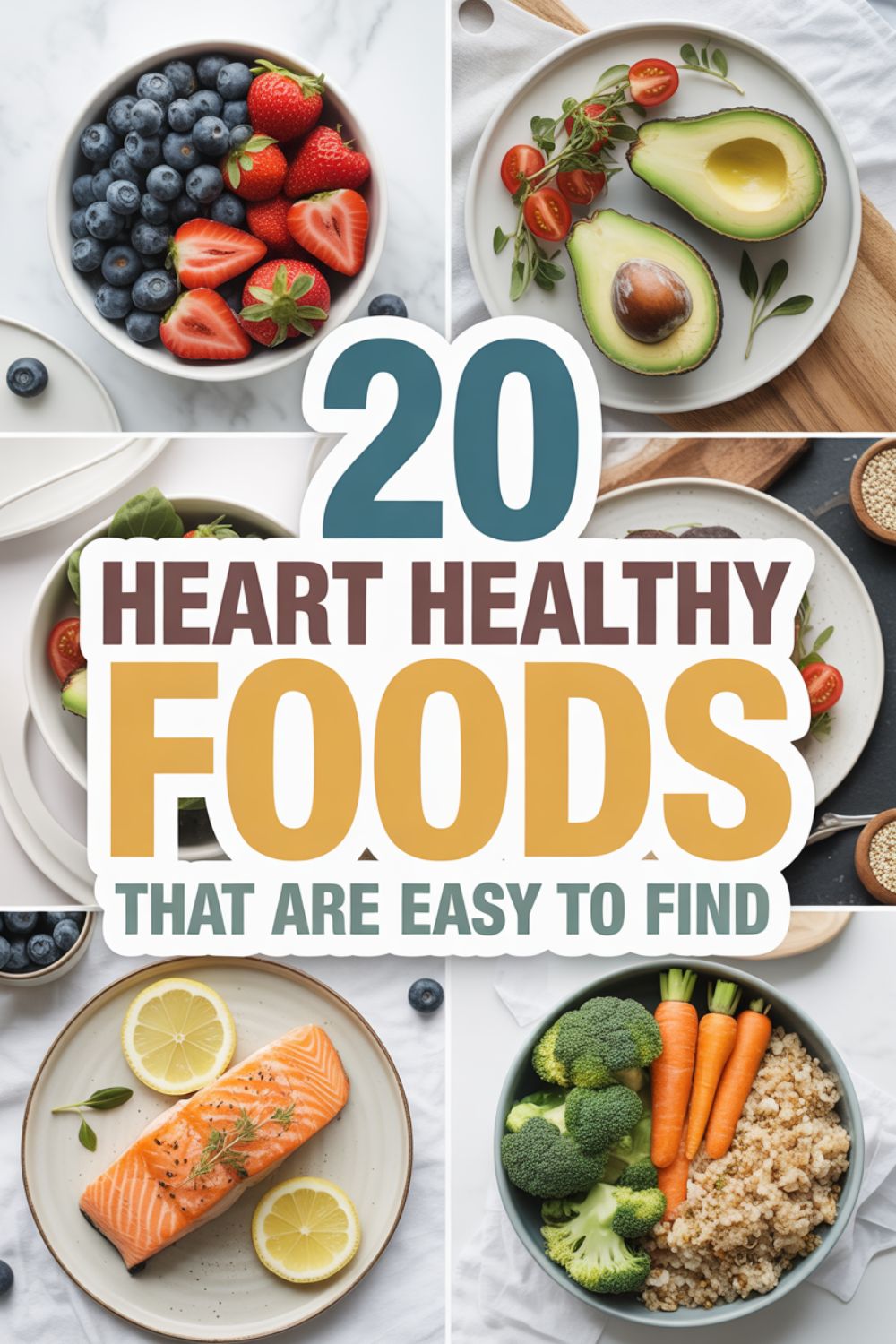
20 Heart Healthy Foods That Are Easy to Find
Look, I’m not about to tell you that eating kale will magically fix your cholesterol or that switching to salmon will reverse decades of questionable food choices. But here’s the thing—your heart actually responds pretty well when you feed it the right stuff. And no, you don’t need to shop at some fancy organic market or pronounce quinoa correctly to get started.
The foods I’m sharing today are the ones you can grab at literally any grocery store. No weird ingredients. No “superfoods” that cost more than your phone bill. Just real, accessible options that your cardiovascular system will genuinely appreciate. Whether you’re dealing with high cholesterol, trying to lower your blood pressure, or just want to be kinder to your ticker, these 20 foods are worth adding to your cart.
And yeah, some of them actually taste good. Wild concept, I know.
Why Your Heart Craves These Specific Foods
Before we jump into the list, let’s talk about what actually makes a food “heart-healthy.” It’s not just marketing BS. According to research from the American Heart Association, foods that support cardiovascular health typically do a few key things: they help manage cholesterol levels, reduce inflammation, keep blood pressure in check, and provide nutrients that support overall heart function.
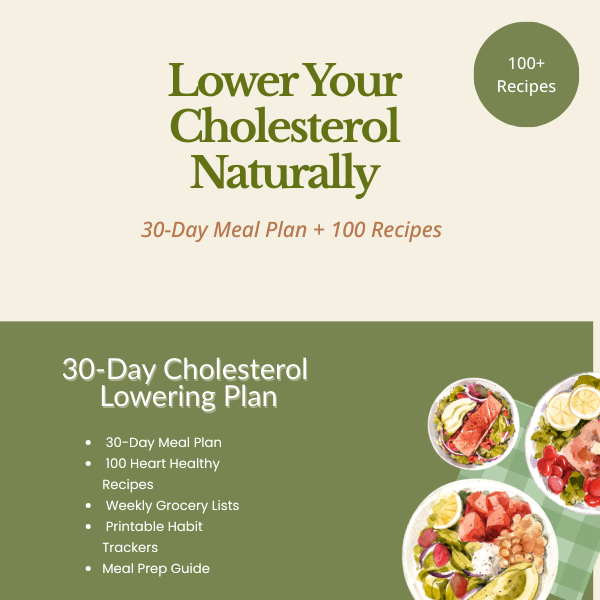
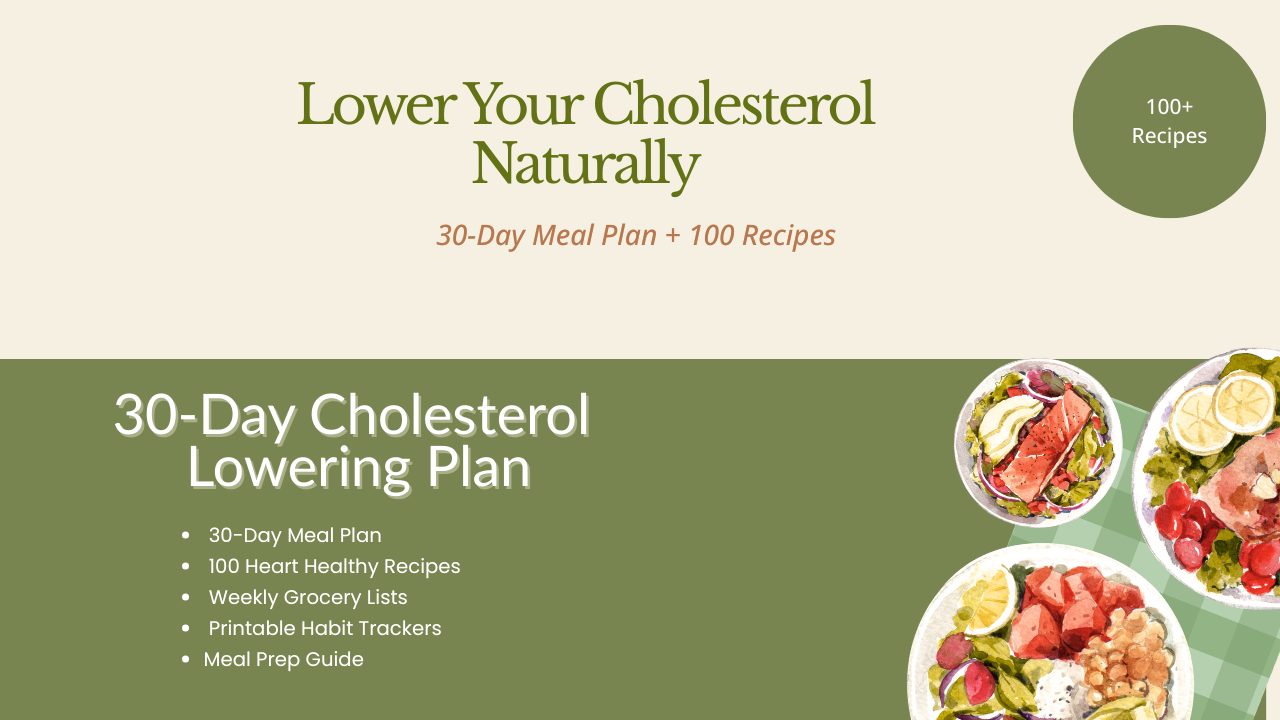
30-Day Cholesterol Reset System
A simple done-for-you plan to help you eat heart-healthy every day without confusion.
Over 1,000 people downloaded this guide
✔ 100 Easy Recipes
✔ Grocery Lists + Meal Prep Guide
🎁 FREE BONUSES:
✔ 7-Day Quick Start Plan
✔ Printable Grocery List
$29 $9
Get Instant AccessThe best part? You don’t need to eat perfectly to see benefits. Even small, consistent changes make a difference. If you’re already making low-cholesterol meals, you’re ahead of the game.
1. Fatty Fish (Salmon, Mackerel, Sardines)
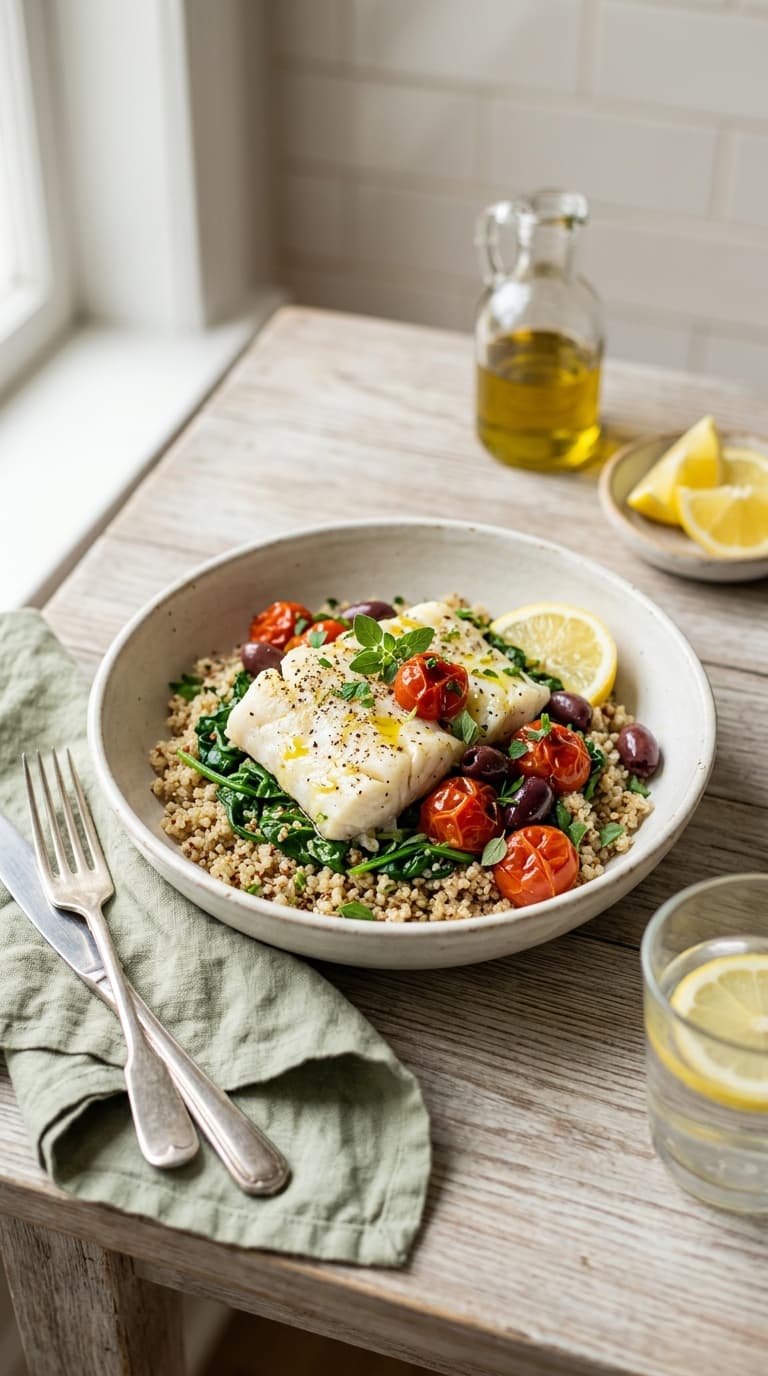
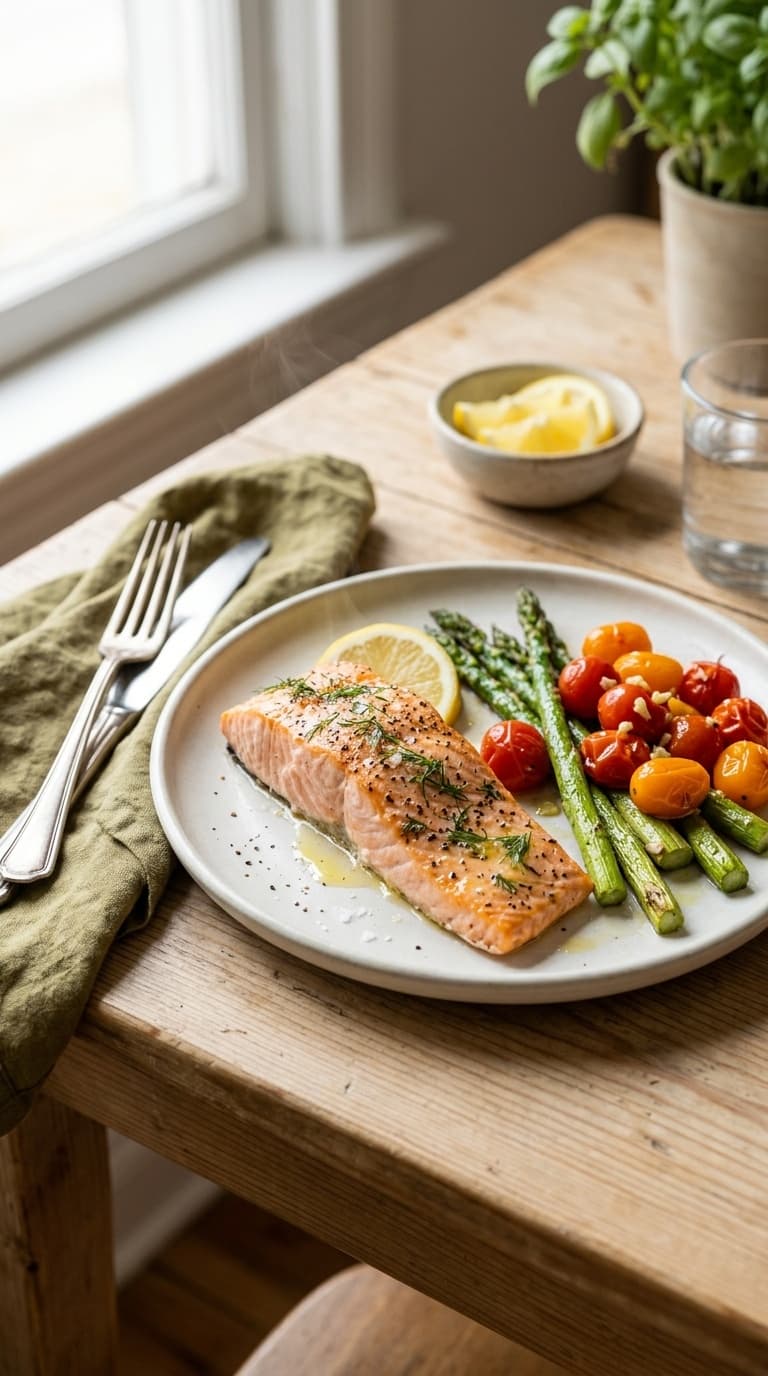
If there’s one food that cardiologists get genuinely excited about, it’s fatty fish. We’re talking salmon, mackerel, sardines, trout—basically anything that swims and packs a serious punch of omega-3 fatty acids. These aren’t just good for you; they’re proven to reduce inflammation and lower triglycerides, which are both major players in heart disease.
I grill salmon at least twice a week, and honestly, it’s one of those foods that doesn’t feel like a compromise. Season it with some lemon, garlic, and olive oil, and you’ve got a meal that tastes restaurant-quality but takes less than 20 minutes. If you’re not confident with fish yet, check out these low-cholesterol dinners for some solid starting points.
Pro tip: Buy frozen wild-caught salmon when it’s on sale and keep it stocked. Thaws fast, cooks faster, and you’ll always have a heart-smart protein option ready to go.
2. Leafy Greens (Spinach, Kale, Collards)
Yeah, yeah, I know—leafy greens are the vegetables your mom nagged you about. But they’re genuinely loaded with vitamins, minerals, and antioxidants that protect your heart. Spinach and kale are rich in vitamin K, which helps protect your arteries and promotes proper blood clotting.
The trick is finding ways to eat them that don’t feel like punishment. I throw spinach into scrambled eggs, blend kale into smoothies (you won’t even taste it, I promise), and sauté collards with garlic as a side dish. Check out some salads that don’t feel like diet food if you need inspiration.
3. Whole Grains (Oats, Brown Rice, Quinoa)
Whole grains are one of those things you hear about constantly, but let me tell you why they actually matter for your heart. Unlike refined grains (white bread, white rice), whole grains keep all their fiber intact. That fiber helps lower cholesterol and keeps your digestive system moving smoothly.
I start most mornings with steel-cut oats. Not instant packets—those are basically sugar bombs. Real oats that you cook on the stove or overnight in the fridge. Top them with berries and a handful of nuts, and you’ve got a breakfast that’ll keep you full until lunch. Speaking of which, try these low-cholesterol breakfast ideas if you’re tired of your usual routine.
I use this overnight oats container set to prep breakfasts for the whole week—dump everything in Sunday night, grab and go Monday morning.
4. Berries (Blueberries, Strawberries, Raspberries)
Berries are basically nature’s candy, except they won’t wreck your cardiovascular system. They’re packed with antioxidants—specifically anthocyanins—which have been linked to reduced risk of heart attacks. Seriously, Harvard Health research backs this up.
I keep frozen berries stocked year-round. They’re cheaper than fresh, last forever, and work great in smoothies, oatmeal, or yogurt. Sometimes I just eat them straight from the bag like tiny frozen popsicles. No judgment.
For more ways to incorporate berries into your daily routine, these heart-healthy smoothies are stupid-easy to make.
5. Nuts (Almonds, Walnuts, Pecans)
If you’re not snacking on nuts, you’re missing out on one of the easiest heart-healthy habits you can adopt. Nuts are loaded with unsaturated fats, fiber, and plant sterols that help lower bad cholesterol. Walnuts, in particular, are rich in omega-3s—the same good fats found in fish.
The caveat? Portion control matters. A handful is perfect; an entire bag in one sitting is not. I keep small containers of mixed nuts in my car and desk drawer for those moments when I’m tempted to hit a drive-thru.
6. Avocados
Avocados get a lot of hype, and honestly, they deserve it. They’re one of the best sources of monounsaturated fats, which can help lower bad cholesterol while raising good cholesterol. Plus, they’re ridiculously versatile—toast, salads, smoothies, tacos, you name it.
I usually buy them slightly underripe and let them ripen on my counter. Once they’re perfect, I move them to the fridge to slow down the process. That way, I’m not stuck with six rock-hard avocados one day and six brown mush-balls the next. If you need meal ideas that feature avocados, try these vegetarian meals you’ll actually crave.
7. Olive Oil
Extra virgin olive oil is the gold standard for cooking oils when it comes to heart health. It’s rich in antioxidants and monounsaturated fats that help reduce inflammation and improve cholesterol levels. I use it for everything—sautéing vegetables, making salad dressings, even drizzling over finished dishes.
Just make sure you’re buying actual extra virgin olive oil. There’s a lot of fraud in the olive oil industry (yeah, seriously), so look for bottles with a harvest date and a dark glass container. Store it in a cool, dark place—not next to your stove where heat and light will degrade it.
Check out these recipes that highlight olive oil for some seriously flavorful meal ideas.
8. Beans and Legumes
Black beans, chickpeas, lentils—they’re all rockstars in the heart-health department. High in fiber and protein, low in fat, and they help stabilize blood sugar levels. Plus, they’re cheap. Like, ridiculously cheap.
I keep canned beans in my pantry at all times. Rinse them well (gets rid of excess sodium), and you can throw them into soups, salads, tacos, or pasta dishes. They’re filling, nutritious, and way more versatile than people give them credit for. Need ideas? These soups and stews will show you how to use them properly.
9. Tomatoes
Tomatoes are loaded with lycopene, a powerful antioxidant that’s been linked to reduced risk of heart disease. The cool part? Cooked tomatoes actually have more bioavailable lycopene than raw ones, so pasta sauce, tomato soup, and roasted tomatoes all count.
I roast cherry tomatoes with garlic and olive oil at least once a week. Toss them on pasta, mix them into scrambled eggs, or just eat them as a side dish. Simple, delicious, and your arteries will thank you.
10. Dark Chocolate
Yes, you read that right. Dark chocolate (70% cacao or higher) contains flavonoids that improve blood flow and lower blood pressure. It’s not a free pass to demolish an entire bar every night, but a square or two? That’s actually beneficial.
I keep high-quality dark chocolate bars stashed away for when I need something sweet without the guilt. Just make sure you’re choosing actual dark chocolate, not milk chocolate masquerading as “dark.”
Kitchen Tools That Make Heart-Healthy Cooking Easier
Look, you don’t need a fully stocked Williams Sonoma kitchen to eat well. But a few strategic tools make everything smoother. Here’s what I actually use:
11. Fatty Yogurt (Greek Yogurt, Full-Fat Plain)
Wait, full-fat? Yep. Recent research suggests that full-fat dairy isn’t the villain we once thought. Greek yogurt in particular is high in protein and probiotics, which support gut health—and a healthy gut is increasingly linked to better heart health.
Skip the flavored varieties loaded with sugar. Buy plain and add your own fruit, nuts, and a drizzle of honey if you need sweetness. I eat Greek yogurt almost every morning mixed with berries and a handful of granola.
12. Garlic
Garlic is one of those ingredients that makes everything taste better while also doing serious work for your cardiovascular system. It’s been shown to help lower blood pressure and cholesterol levels. Plus, it has antimicrobial properties and boosts your immune system.
I go through garlic like it’s going out of style. Fresh is best, but if you’re short on time, this pre-minced garlic jar (stored in the fridge) works in a pinch. Just don’t use that powdered stuff—it’s basically garlic-scented dust.
13. Sweet Potatoes
Sweet potatoes are packed with fiber, potassium, and vitamins that support heart health. They’re also naturally sweet, so you don’t need to load them up with butter and brown sugar to make them taste good.
I bake a few sweet potatoes at the beginning of the week and use them throughout—mashed as a side, cubed in salads, sliced and roasted with olive oil. They’re filling, nutritious, and way more interesting than regular white potatoes. You’ll find them featured in several of these comfort foods made healthy.
14. Flaxseeds
Flaxseeds are tiny nutritional powerhouses. They’re loaded with omega-3 fatty acids, fiber, and lignans (plant compounds with antioxidant properties). The catch? Your body can’t digest whole flaxseeds, so you need to grind them first.
I keep a bag of ground flaxseed in the fridge and add a tablespoon to smoothies, oatmeal, or yogurt. You can also use a small coffee grinder dedicated to spices and seeds to grind them fresh. Just don’t cook with flax oil—it breaks down at high heat.
15. Green Tea
Green tea contains catechins, powerful antioxidants that improve blood vessel function and may help lower cholesterol. It also has a modest amount of caffeine, so it’s a decent alternative to coffee if you’re trying to cut back.
I drink a cup most afternoons. Not the sugary bottled stuff—actual brewed green tea. If you find it too bitter, try steeping it for less time or adding a squeeze of lemon. It makes a difference.
16. Beets
Beets are rich in nitrates, which your body converts into nitric oxide—a compound that helps relax and dilate blood vessels, improving blood flow and lowering blood pressure. They’re also loaded with fiber and folate.
I roast beets in the oven until they’re tender, then toss them in salads or blend them into smoothies (yes, really—you can’t taste them if you add enough berries). You can also buy pre-cooked beets if you’re not into the whole roasting-and-peeling situation.
17. Chia Seeds
Chia seeds are another omega-3 superstar. They’re also incredibly high in fiber, which helps you feel full and supports healthy digestion. When mixed with liquid, they form a gel-like consistency that’s perfect for puddings or overnight oats.
I make chia pudding by mixing three tablespoons of chia seeds with one cup of almond milk, a splash of vanilla, and a drizzle of honey. Let it sit overnight, and you’ve got a ready-made breakfast or snack. For more make-ahead options, check out these meal prep ideas.
18. Pomegranates
Pomegranates are packed with antioxidants—even more than green tea or red wine. They help reduce inflammation and lower blood pressure, and there’s some evidence they may help reduce arterial plaque buildup.
Yeah, they’re a pain to open. I get it. But you can buy pre-seeded pomegranate arils in the produce section, or just drink 100% pomegranate juice (not the cocktail blends with added sugar). I sprinkle the seeds on salads or yogurt for a tart, crunchy boost.
19. Edamame
Edamame (young soybeans) are a fantastic source of plant-based protein and fiber. They’re also rich in isoflavones, which may help lower cholesterol and improve heart health.
I keep a bag of frozen edamame in the freezer at all times. Boil for five minutes, toss with sea salt, and you’ve got a snack that’s way better than chips. You can also throw them into stir-fries, salads, or grain bowls. Try these high-protein meals for more plant-based ideas.
20. Red Wine (In Moderation)
Okay, so technically this isn’t a “food,” but hear me out. Red wine contains resveratrol, an antioxidant that’s been linked to heart health benefits. The key phrase here is “in moderation”—one glass for women, two for men, per day max.
If you don’t drink alcohol, don’t start just for the health benefits. You can get resveratrol from red grapes, blueberries, and peanuts. But if you enjoy a glass of wine with dinner, red is your best bet from a cardiovascular standpoint.
Speaking of dinners, if you’re looking for meals that pair well with everything on this list, check out these one-pan dinners for easy nights or these family dinners everyone will love.
How to Actually Use These Foods (Without Losing Your Mind)
Look, lists are great, but the real challenge is incorporating these foods into your actual life. You’re busy. I get it. The trick is to focus on small, sustainable changes rather than overhauling your entire diet overnight.
Start by adding one or two of these foods into your regular rotation each week. Maybe it’s swapping your morning cereal for oatmeal with berries. Or keeping a container of mixed nuts in your car for when you’re tempted to hit a fast-food drive-thru. Small wins add up.
Meal prep is your friend here. I spend about two hours on Sunday afternoons cooking proteins, chopping vegetables, and portioning out snacks for the week. It sounds like a lot, but it saves me hours during the week and makes it way easier to eat well when life gets chaotic. These lazy low-cholesterol meals are perfect for those weeks when even two hours feels like too much.
If you’re overwhelmed by where to start, try these quick lunches under 10 minutes or browse through these breakfasts under 300 calories for simple, no-stress options.
The Bigger Picture: Diet + Lifestyle = Heart Health
Here’s the reality check: no single food is going to save your heart. Not even superfood-status salmon or antioxidant-packed blueberries. What matters is your overall eating pattern over time—and that includes the stuff you’re not eating as much as the stuff you are.
The American Heart Association emphasizes that a heart-healthy lifestyle includes regular physical activity, stress management, adequate sleep, and not smoking. Diet is critical, but it’s just one piece of the puzzle.
That said, if you focus on eating more of the foods on this list while cutting back on processed junk, excessive sodium, and added sugars, you’re doing your cardiovascular system a massive favor. For more guidance on what to avoid, check out foods that naturally lower cholesterol.
One of our community members, Sarah, started incorporating more of these foods into her weekly routine—nothing drastic, just consistent small changes. After three months, her cholesterol dropped 30 points, and she lost 15 pounds without even trying. She said the biggest shift was meal prepping on Sundays and keeping healthy snacks accessible. That’s the kind of realistic, sustainable approach that actually works.
Frequently Asked Questions
How many servings of heart-healthy foods should I eat per week?
Aim for at least two servings of fatty fish per week, five servings of fruits and vegetables daily, and incorporate nuts, whole grains, and legumes regularly throughout your week. The key is consistency rather than perfection—small, regular choices make a bigger impact than sporadic efforts.
Can I still eat heart-healthy if I’m on a budget?
Absolutely. Beans, lentils, oats, frozen vegetables, canned fish, and eggs are all budget-friendly heart-healthy options. Buy seasonal produce, stock up on sales, and don’t underestimate frozen or canned options—they’re often just as nutritious as fresh and significantly cheaper.
Will eating these foods really lower my cholesterol?
In combination with an overall healthy dietary pattern, yes—these foods have been shown in research to help lower LDL (bad) cholesterol and improve heart health markers. However, diet is just one factor; genetics, exercise, stress management, and sleep also play significant roles in cholesterol levels.
How long does it take to see improvements in heart health from diet changes?
Some people see cholesterol improvements within 4-6 weeks of dietary changes, though it varies by individual. Blood pressure can respond even faster, sometimes within days of reducing sodium and increasing potassium-rich foods. Stick with changes for at least three months before evaluating effectiveness.
Do I need to give up all my favorite foods to eat heart-healthy?
No. The goal is balance, not deprivation. You can still enjoy occasional treats—the foundation of your diet should be whole, minimally processed foods, but there’s room for flexibility. Focus on what you’re adding (more vegetables, whole grains, healthy fats) rather than only on what you’re removing.
Your Heart Deserves Better
Look, I’m not going to pretend that switching to oatmeal and salmon is going to solve all your health problems. Life is complicated, genetics are real, and sometimes you just need a cheeseburger. But the truth is, your daily food choices either support your cardiovascular health or they don’t. There’s no neutral.
The 20 foods on this list aren’t magic bullets. They’re just smart, evidence-backed options that happen to be widely available and relatively affordable. You don’t need a PhD in nutrition to work them into your routine. You just need to be consistent enough that they become habits instead of novelties.
Start small. Pick three foods from this list and commit to eating them regularly for the next month. See how you feel. Notice if your energy improves, if you’re sleeping better, if your pants fit differently. Then add a few more. Your heart’s already doing the hard work of keeping you alive—might as well give it the fuel it needs to do that job well.
And hey, if you’re looking for even more guidance on building a heart-healthy lifestyle, check out these recipes that support heart health or this collection of recipes for long-term heart health. Your ticker will thank you.
30-Day Cholesterol-Lowering Meal Plan
A simple step-by-step system to help you eat heart-healthy every day without stress.
Over 1,000 people downloaded this guide
$29$9
Get Instant Access