
19 High-Fiber Salads for Heart Health
Big, bold, genuinely filling salads that your cardiologist would probably frame on the wall.
Let me be completely honest with you: I used to think “heart-healthy salad” was a polite way of saying “sad bowl of lettuce with a squeeze of lemon.” Then I started actually building salads around fiber, and everything changed. We’re talking creamy avocado, nutty chickpeas, crunchy seeds, roasted beets — real food that happens to be incredibly good for your cardiovascular system.
High-fiber salads are one of the most underrated weapons in heart health eating. According to the American Heart Association, diets rich in fiber have been consistently linked to decreased risk of cardiovascular disease, yet most adults still don’t hit their daily targets. Salads — when built properly — can single-handedly close that gap. And when you’ve got 19 of them in your rotation, “properly” becomes pretty easy to manage.
These recipes are not punishment. They are not “diet food.” Every single one on this list is filling enough to serve as a main meal, and interesting enough that you’ll actually look forward to eating them. Let’s get into it.

Why Fiber-First Salads Are So Good for Your Heart
Here’s the short version: soluble fiber — the kind found in beans, avocado, and oats — literally helps block the absorption of LDL (“bad”) cholesterol in your bloodstream. As Mayo Clinic explains, getting five to ten grams or more of soluble fiber daily can meaningfully reduce LDL cholesterol levels. That’s not a marginal effect — that’s a real, measurable shift in your cardiovascular risk profile, just from eating better.
30-Day Cholesterol Reset System
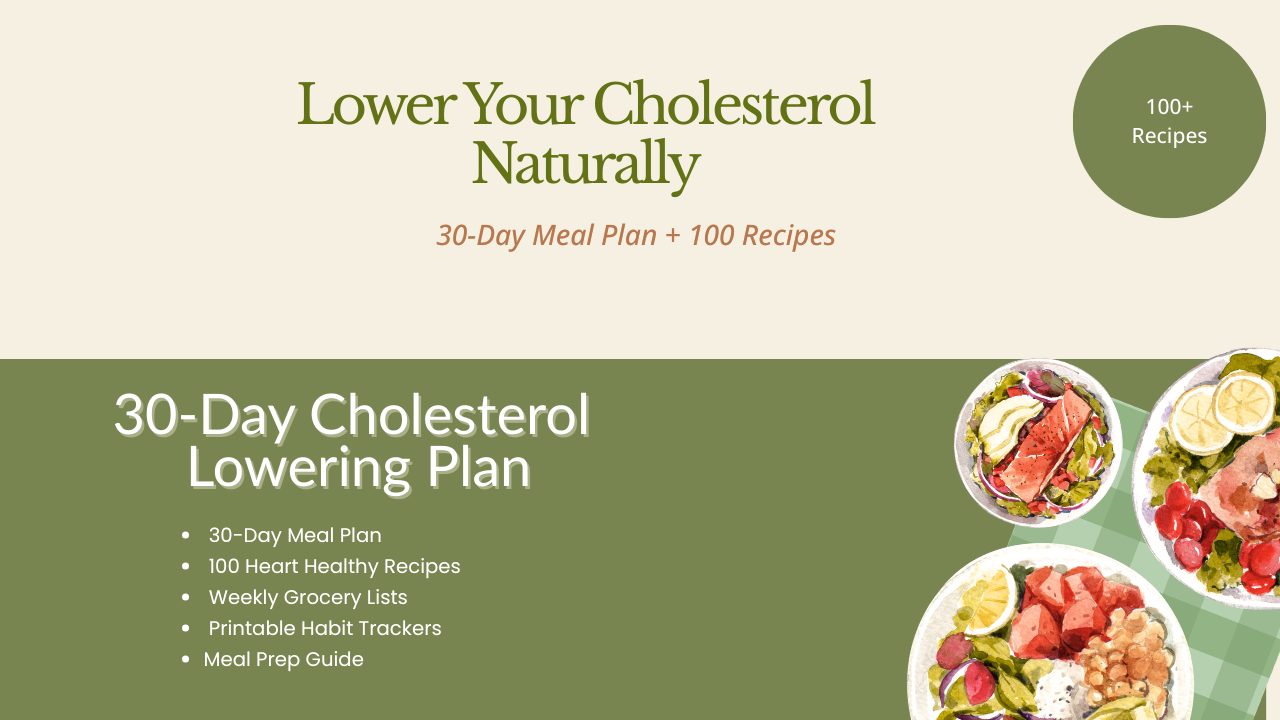
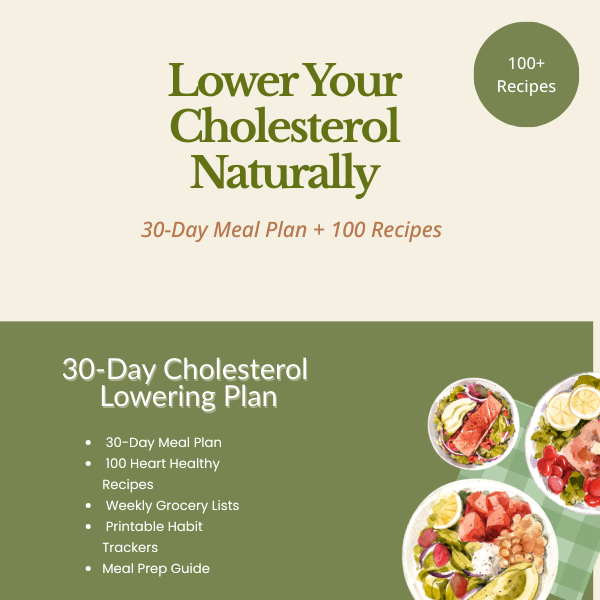
A simple done-for-you plan to help you eat heart-healthy every day without confusion.
Over 1,000 people downloaded this guide
✔ 100 Easy Recipes
✔ Grocery Lists + Meal Prep Guide
🎁 FREE BONUSES:
✔ 7-Day Quick Start Plan
✔ Printable Grocery List
$29 $9
Get Instant AccessInsoluble fiber, on the other hand, feeds your gut microbiome, supports healthy digestion, and keeps inflammation in check. Both types matter for heart health, and conveniently, most of the salad ingredients you already love — leafy greens, lentils, seeds, berries — deliver a solid mix of both. The goal here isn’t to white-knuckle your way through a bowl of bitterness. It’s to stack flavors and textures thoughtfully so that eating for your heart feels completely natural.
If you want to go deeper on the general landscape of foods that support heart function, 25 Foods That Naturally Lower Cholesterol is a solid companion read. But for now — salads.
Batch-cook your legumes on Sunday. A big pot of chickpeas or lentils lasts all week in the fridge and becomes the protein-fiber backbone of every salad you build. Canned works great too — just rinse them well.
Salads 1–5: The Everyday Workhorses
These are the five you’ll come back to most often. They’re simple to put together, use ingredients you can find at any grocery store, and deliver serious fiber with every forkful.
Kale, Chickpea & Avocado Salad with Lemon-Tahini Dressing
Fiber: ~13g per servingKale holds up brilliantly when you massage it with a little olive oil and salt — it softens just enough to lose that raw-hay bite but keeps its structure. Toss in a can of rinsed chickpeas, half an avocado, sliced cucumber, and a handful of pumpkin seeds. The lemon-tahini dressing ties everything together. Tahini is an underrated heart food — it’s packed with monounsaturated fats and adds a creamy richness without any dairy. I use a wide-bottomed salad bowl with a pour spout for dressing for this one because the kale needs room to get properly coated.
Get Full RecipeBlack Bean & Roasted Corn Salad with Cilantro-Lime Vinaigrette
Fiber: ~14g per servingBlack beans are genuinely one of the best fiber sources on the planet — around 15 grams per cup. Char your corn in a dry cast iron pan (or use frozen, roasted under the broiler) for that smoky sweetness, then combine with black beans, diced red onion, cherry tomatoes, and plenty of fresh cilantro. The lime-cumin vinaigrette cuts through the heartiness perfectly. I’ve made this for meal prep probably forty times and it holds up in the fridge for three days without going sad and wilted. Get Full Recipe
Mediterranean Lentil Salad with Feta, Cucumber & Herbs
Fiber: ~16g per servingLentils might be the single most efficient high-fiber ingredient you can add to a salad. One cup delivers roughly 15–16 grams of fiber, plus plant protein, folate, and iron. Cook French green lentils until just tender (they hold their shape better than red lentils), cool completely, then toss with diced cucumber, cherry tomatoes, red onion, kalamata olives, and crumbled feta. A simple red wine vinegar and olive oil dressing is all you need. If you love this kind of Mediterranean direction, the 23 Mediterranean Diet Recipes for Cholesterol Control collection is worth bookmarking. Get Full Recipe
Roasted Beet, Walnut & Arugula Salad
Fiber: ~9g per servingThis one looks like it came from a restaurant and takes about twenty minutes of actual hands-on effort. Roast beets wrapped in foil until tender, let them cool, then slice and toss over a bed of peppery arugula. Add candied walnuts (walnuts are one of the few nuts with omega-3 fatty acids, which do additional work on inflammation), a little crumbled goat cheese, and a balsamic reduction. Fiber here comes from the beets, walnuts, and arugula working together. I like to use a mandoline slicer for paper-thin beet rounds — the presentation gets genuinely impressive for zero extra work. Get Full Recipe
Quinoa, Edamame & Shredded Carrot Salad
Fiber: ~11g per servingQuinoa is technically a seed, which means it brings fiber and complete protein to the party — something most grains don’t bother doing. Combine cooked, cooled quinoa with shelled edamame, shredded carrots, sliced scallions, and sesame seeds. A ginger-soy-rice vinegar dressing gives it a light, bright flavor. This is the salad I bring to potlucks when I want people to ask me for the recipe without me having to announce that it’s healthy. Works every time. Get Full Recipe
Salads 6–10: The Big, Bold, Meal-Worthy Bowls
These are the ones you eat for dinner. They’re hearty, layered with interesting textures, and designed to keep you full for hours. No grazing necessary, no sad mid-afternoon hunger pang — just genuinely satisfying food that also happens to be extremely good for your arteries.
Warm Farro & Roasted Veggie Salad with Herb Vinaigrette
Fiber: ~12g per servingFarro is a wonderfully chewy ancient grain with more fiber than most modern grains. Roast a sheet pan of whatever vegetables need using — broccoli, zucchini, bell peppers, red onion — at high heat until caramelized. Toss over warm farro, add a handful of arugula so it wilts slightly from the heat, and finish with a bright herb vinaigrette (parsley, lemon, Dijon, olive oil). This is a fantastic make-ahead dinner that reheats beautifully. A heavy-gauge sheet pan with a rim makes the vegetable roasting situation significantly less messy. Get Full Recipe
Spiced Chickpea & Cauliflower Power Salad
Fiber: ~13g per servingRoast chickpeas with cumin, smoked paprika, and a pinch of cayenne until they’re crispy — genuinely addictive, to be clear. Roast cauliflower florets on the same pan. Build the bowl over a base of mixed greens, add sliced red cabbage (high in fiber, great for crunch), drizzle with a simple yogurt-tahini sauce, and scatter pomegranate seeds over the top for color and sweetness. It looks incredible and eats even better. If you want more ideas in this whole-grain-and-legume zone, 21 High-Fiber Recipes for Heart Health has a lot to work with. Get Full Recipe
Wild Rice, Apple & Toasted Pecan Salad
Fiber: ~10g per servingWild rice has more fiber and protein than standard white rice and a genuinely satisfying chewiness. Combine cooked wild rice with thin-sliced Honeycrisp apple (keep the skin on — that’s where a good portion of the fiber lives), toasted pecans, dried cranberries, and baby spinach. A simple apple cider vinaigrette pulls the sweet-savory-nutty flavors together perfectly. This is peak fall salad energy, though honestly nothing stops you from making it in July. Get Full Recipe
White Bean, Tuscan Kale & Sun-Dried Tomato Salad
Fiber: ~15g per servingWhite cannellini beans are creamy, mild, and borderline luxurious in a salad. Massage the kale first (seriously, don’t skip this step — it transforms the texture entirely), then add the beans, roughly chopped sun-dried tomatoes, toasted pine nuts, and shaved Parmesan. A simple lemon-anchovy-olive oil dressing adds depth without heaviness. FYI, this one is also great served warm as a side dish with baked salmon, which makes it doubly versatile. Get Full Recipe
Grilled Salmon & Asparagus Salad over Mixed Greens
Fiber: ~9g per servingSalmon is the MVP of heart-healthy proteins — rich in omega-3 fatty acids that specifically target triglycerides and inflammation. Grill a fillet and let it flake over a bed of mixed greens, grilled asparagus, sliced radishes, and a handful of peas. A simple lemon-dill vinaigrette works beautifully here. If you want more salmon inspiration outside of salads, 19 Salmon Recipes Rich in Omega-3 That Actually Taste Amazing covers a lot of ground. Get Full Recipe
I’ve been rotating salads 3, 7, and 9 for the past two months — packing them for lunch every day. My last cholesterol panel came back with my LDL down 18 points. My doctor actually asked me what I changed. I told her: lentils and tahini, mostly.
— Maria T., community member from Austin, TXSalads 11–15: Light, Fresh & Fast
Not every salad needs to be a construction project. These five come together in ten to fifteen minutes on a busy weeknight, and they still bring meaningful fiber to the table. Speed and nutrition are not mutually exclusive — someone needed to say it.
Shredded Brussels Sprout & Almond Salad
Fiber: ~8g per servingBrussels sprouts get a completely different reputation when you eat them raw and finely shredded. Toss with toasted sliced almonds, dried cherries, shaved Parmesan, and a lemon-Dijon vinaigrette. The whole thing takes under ten minutes if you use a food processor with a shredding disc attachment. This is the salad that will make cruciferous vegetable skeptics reconsider everything. Get Full Recipe
Mango, Black Bean & Avocado Summer Salad
Fiber: ~12g per servingSweet, creamy, spicy, and fresh all at once — this is the salad you bring to summer cookouts when you want to demonstrate that plant-based eating is not a form of deprivation. Dice ripe mango and avocado, combine with black beans, red onion, jalapeño, and fresh lime juice. A handful of baby arugula adds a peppery bite. Zero cooking required, high fiber payoff, impossible to dislike. Get Full Recipe
Strawberry, Spinach & Hemp Seed Salad with Poppy Seed Dressing
Fiber: ~7g per servingHemp seeds are quietly exceptional — they deliver omega-3s, protein, and a mild nutty flavor all in one. Toss fresh baby spinach with sliced strawberries, cucumber, hemp seeds, and a light poppy seed dressing. This is a salad for when you want something genuinely bright and pretty. It takes five minutes and looks like effort. Not complaining. Get Full Recipe
Cucumber, Tomato & White Bean Salad with Fresh Basil
Fiber: ~11g per servingThis is essentially a deconstructed Italian-style antipasto situation. Slice English cucumber and cherry tomatoes, add rinsed cannellini beans, fresh basil leaves, and a drizzle of really good olive oil with a splash of red wine vinegar. Salt, pepper, done. IMO, the key is using the best-quality olive oil you own — a cold-pressed extra-virgin olive oil from a reputable single-estate producer genuinely changes the flavor profile of a simple salad like this one. Get Full Recipe
Carrot, Red Cabbage & Sunflower Seed Slaw
Fiber: ~9g per servingSlaw gets unfairly dismissed as a mayo-soaked side dish. This version uses a tahini-apple cider vinegar base that’s light, tangy, and completely dairy-free. Shred carrots and red cabbage, toss with sunflower seeds, sliced scallions, and the tahini dressing. Red cabbage alone delivers a surprising amount of soluble fiber per cup, and the anthocyanins that give it that purple color are also anti-inflammatory. This is practical food that happens to be vibrant on the plate. Get Full Recipe
Dress your salads with olive oil-based vinaigrettes instead of creamy commercial dressings. Olive oil is rich in oleocanthal — a natural anti-inflammatory compound — and keeps your fiber-rich ingredients from sitting in saturated fat. Your heart appreciates the distinction.
Salads 16–19: The Seasonal Showstoppers
These last four lean into seasonal produce and feel a bit more special — the ones you make for Sunday dinner or when you genuinely want to impress someone. They take a little more effort but absolutely nothing requiring culinary training.
Harvest Grain Bowl Salad with Roasted Butternut Squash & Pepitas
Fiber: ~14g per servingRoast butternut squash until the edges caramelize, then layer over a mix of farro, wild rice, and baby kale. Top with toasted pepitas (pumpkin seeds — excellent source of fiber, zinc, and magnesium), dried cranberries, and a maple-balsamic vinaigrette. This is the kind of salad that makes people ask whether you’ve taken a cooking class. You have not. You’ve just roasted some squash and assembled it thoughtfully. Get Full Recipe
Citrus, Fennel & Lentil Salad with Pistachios
Fiber: ~16g per servingThinly slice fennel on a mandoline (or just carefully with a sharp knife) and combine with blood orange and grapefruit segments, cooked French green lentils, and roughly chopped pistachios. A honey-champagne vinaigrette adds just enough sweetness to balance the citrus’s bitterness. The fiber here is exceptional — lentils and fennel together are a heart-health powerhouse. This salad is stunning on the table and genuinely refreshing to eat. Get Full Recipe
Roasted Red Pepper, Chickpea & Barley Salad
Fiber: ~15g per servingBarley deserves far more attention than it gets. It’s one of the highest-fiber grains available, and it has a satisfying, slightly chewy texture that holds up beautifully in a salad. Combine cooked barley with roasted red peppers (from a jar is absolutely fine), chickpeas, baby spinach, and a smoked paprika-sherry vinegar dressing. If you’re building out a full whole-grain recipe rotation for heart health, this belongs at the top of the list. Get Full Recipe
Warm Spinach Salad with Lentils, Caramelized Onions & Poached Egg
Fiber: ~13g per servingThis is the one. The salad that converts people who claim they don’t like salads. Slowly caramelize onions until they’re golden and sweet (this takes patience — about 30 minutes over low heat, I use a heavy enameled cast iron skillet so nothing burns), then toss warm over baby spinach with cooked lentils, a splash of balsamic, and a soft poached egg on top. The yolk breaks over the whole thing and acts as a natural dressing. It is genuinely extraordinary for something made from this few ingredients. Get Full Recipe
Salad 19 — the warm spinach with lentils and poached egg — has become a weekly ritual in our house. My husband is not a salad person (his words). He asked me to make it again the next day. I consider that a total win.
— Jamie K., community member from Portland, ORKitchen Tools That Make These Salads Easier
Real talk: a few good tools make the difference between salad-making feeling like a chore and feeling genuinely enjoyable. Here’s what I actually use.
Physical Kitchen Tools
Makes thin-slicing fennel, beets, and cabbage effortless. Use the cut-resistant gloves that come with it — I cannot stress this enough.
Shop NowPerfect for cooking grains and lentils in large batches. Even heat, easy cleanup, lasts approximately forever.
Shop NowStore prepped salad components separately so everything stays crisp. The glass keeps flavors cleaner than plastic over multiple days.
Shop NowDigital Resources
Tracks your fiber intake down to the gram. Great for confirming you’re actually hitting your daily fiber target, not just guessing.
Try FreeA structured 4-week plan built around exactly these kinds of salads and meals. Includes shopping lists, batch-cooking schedules, and macro breakdowns.
DownloadLearning to chop efficiently cuts your prep time in half. Genuinely worth ninety minutes of your life for the daily time savings it returns.
Learn MoreHow to Meal Prep These Salads Without Losing Your Mind
The biggest barrier to eating high-fiber salads regularly isn’t motivation — it’s logistics. Nothing kills the salad habit faster than opening the fridge at 12:30 pm and realizing you have to build a salad from scratch with zero pre-prepped ingredients. Here’s the system that actually works.
Cook grains in bulk on Sunday. Farro, wild rice, lentils, barley — these all take 20–45 minutes of largely hands-off simmering, and they store well in the fridge for five days. Make a big pot of at least two different grains and you have the base for six or seven different salads throughout the week.
Roast a full sheet pan of vegetables at the same time. Beets, cauliflower, butternut squash — anything that needs an oven. Pre-roasted vegetables transform from a 45-minute undertaking into a zero-minute task when you’ve already done the work. Keep components separate in the fridge and assemble your salad bowl fresh each day so nothing gets soggy. If you want a comprehensive weekly system to back all of this up, 25 Low-Cholesterol Meal Prep Ideas for the Week is exactly the resource you need.
Make a double batch of dressing and store it in a jar in the fridge. Most olive oil-based vinaigrettes last a week easily. Having dressing already made is often the difference between actually eating the salad you planned and defaulting to something easier. The barrier is smaller than you think.
Frequently Asked Questions
How much fiber do I actually need per day for heart health?
Current dietary guidelines recommend around 25–38 grams of fiber daily for adults, depending on age and caloric intake. For heart health specifically, research suggests getting at least 5–10 grams of soluble fiber per day can meaningfully reduce LDL cholesterol. A single high-fiber salad from this list can deliver anywhere from 7 to 16 grams, which puts a serious dent in that daily target.
Can high-fiber salads actually lower cholesterol?
Yes — particularly when they’re built around soluble fiber sources like legumes, oats, flaxseed, and certain vegetables. Soluble fiber forms a gel-like substance in the digestive tract that binds to cholesterol and removes it from the body before it can be absorbed. It’s not a magic fix, but it’s a well-documented, consistent mechanism backed by significant clinical research.
What are the best fiber-rich ingredients to add to salads?
Legumes (chickpeas, black beans, lentils, white beans) are the most efficient fiber sources you can add to a salad. After that: avocado, pumpkin seeds, shredded cabbage, cooked farro or barley, and leafy greens like kale and spinach. Combining two or three of these in a single bowl makes hitting your daily fiber target genuinely easy.
Will eating more fiber cause bloating or discomfort?
It can, particularly if you significantly increase your fiber intake all at once. The workaround is simple: increase gradually over two to three weeks, make sure you’re drinking enough water (fiber absorbs water as it moves through the digestive system), and your body will adjust. Most people notice the initial discomfort resolves within a week or two.
Are these salads suitable for a low-cholesterol diet?
Absolutely. Every salad on this list is built around plant-based proteins, healthy fats, and fiber-rich ingredients — with minimal saturated fat and zero trans fat. They pair naturally with broader low-cholesterol eating patterns like the Mediterranean diet or a DASH-style approach. Several of them overlap with the 27 Heart-Healthy Recipes for Long-Term Wellness collection if you want to expand your repertoire.
The Takeaway
Eating for your heart doesn’t require a dramatic lifestyle overhaul. It just requires consistently putting together meals that are built around the right ingredients — and these 19 high-fiber salads are exactly that. They’re filling, they’re genuinely delicious, and they work hard on your behalf without requiring you to think about it too much.
Start with whichever two or three sound most appealing right now. Get comfortable building them. Then add more. The fiber compounds, the habits form, and before long you’re just a person who eats extremely well and whose cardiovascular system is quietly very grateful for it.
Pick your first recipe, grab your biggest bowl, and get to work. Your heart has been waiting.
30-Day Cholesterol-Lowering Meal Plan
A simple step-by-step system to help you eat heart-healthy every day without stress.
Over 1,000 people downloaded this guide
$29$9
Get Instant Access


