
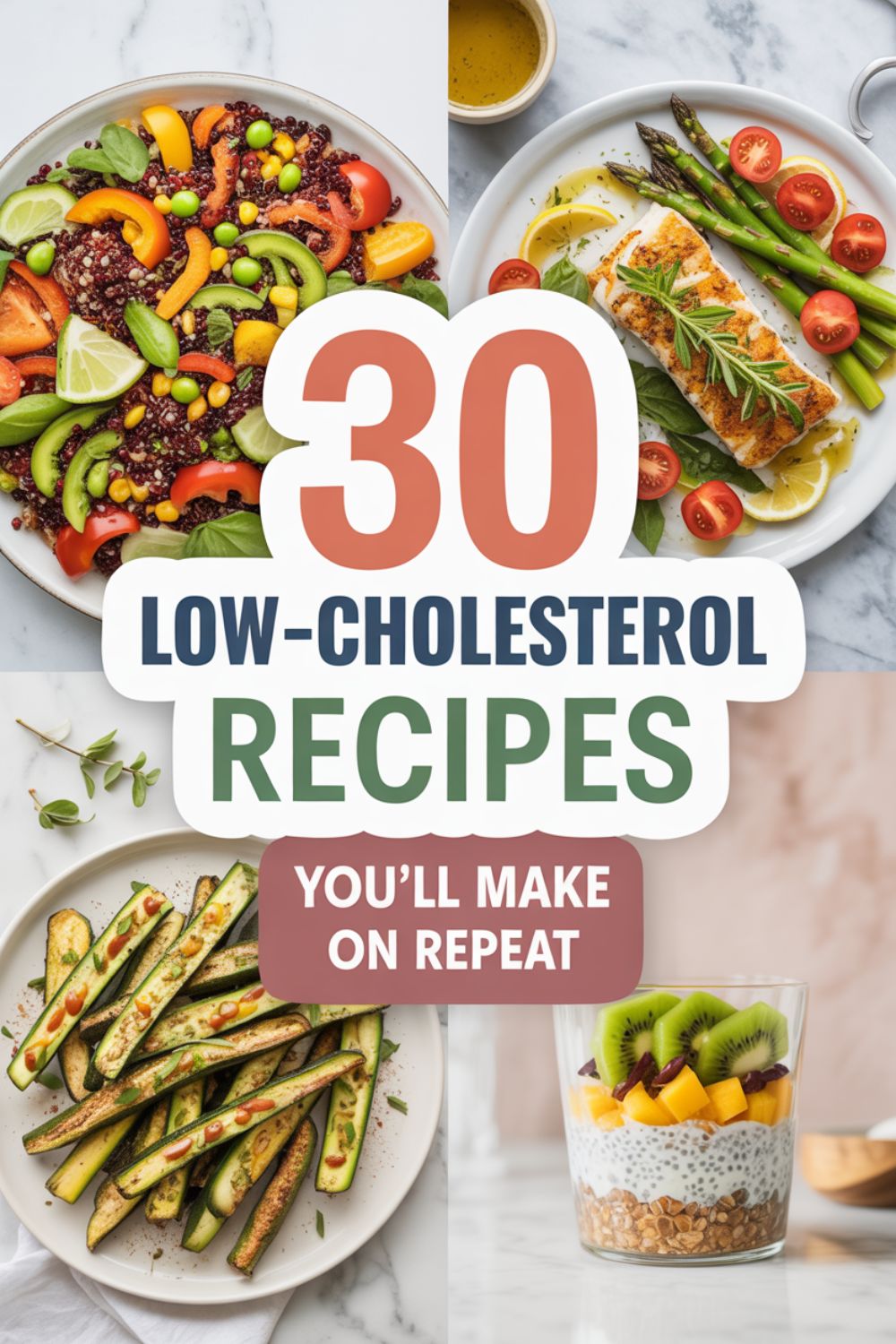
30 Low-Cholesterol Recipes You’ll Make on Repeat
Let me guess—you just got back from the doctor’s office and they dropped the cholesterol talk on you. Or maybe you’ve been trying to eat better for your heart but you’re tired of bland chicken breast and steamed broccoli. Yeah, I’ve been there too, staring at my fridge wondering how to make food that actually tastes good while keeping my numbers in check.
Here’s the thing about low-cholesterol cooking that nobody tells you upfront: it doesn’t have to suck. I spent way too long thinking I’d have to give up everything I loved before I figured out there’s a whole world of genuinely delicious recipes that happen to be heart-friendly. You don’t need to eat like you’re on some medical punishment diet.
These 30 recipes are the ones I actually make. Like, regularly. They’re not sitting in some Pinterest board collecting digital dust—they’re in my weekly rotation because they’re easy, they taste great, and yeah, they help keep cholesterol levels in check. Some take ten minutes, some are perfect for meal prep, and a few are fancy enough for when you want to impress people without telling them it’s “health food.”
Why These Recipes Actually Work
Before we dive into the food, let’s talk about what makes these recipes different from the sad, flavor-free stuff you might be imagining. The American Heart Association recommends focusing on whole foods, healthy fats, and lean proteins—which sounds boring until you realize how much flavor you can pack into those categories.
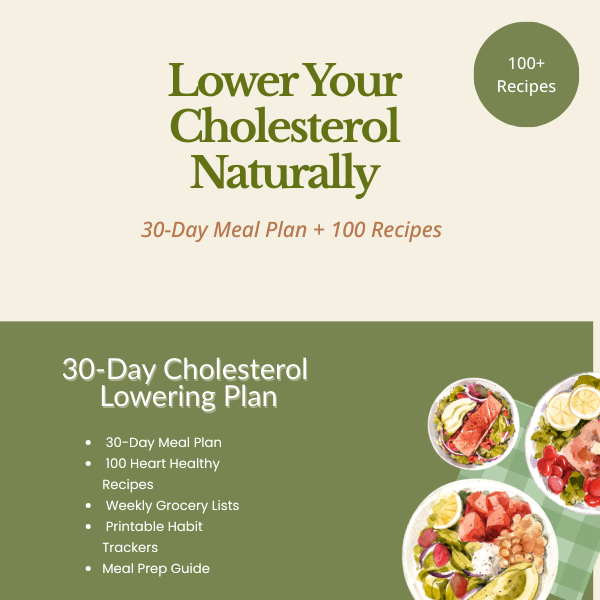
30-Day Cholesterol Reset System
A simple done-for-you plan to help you eat heart-healthy every day without confusion.
Over 1,000 people downloaded this guide
✔ 100 Easy Recipes
✔ Grocery Lists + Meal Prep Guide
🎁 FREE BONUSES:
✔ 7-Day Quick Start Plan
✔ Printable Grocery List
$29 $9
Get Instant AccessThese recipes lean heavily on ingredients that naturally support heart health without tasting like cardboard. We’re talking about real food: olive oil instead of butter, fatty fish loaded with omega-3s, tons of fiber from whole grains and vegetables, and strategic use of nuts and seeds for texture and richness. According to research on heart-healthy eating patterns, these Mediterranean-style approaches naturally keep cholesterol in a healthy range while actually tasting like food you’d want to eat.
For breakfast inspiration beyond what we’re covering here, you might want to check out these low-cholesterol breakfast ideas that make mornings way less boring.
The Breakfast Game-Changers
Overnight Oats (But Make Them Interesting)
Look, I know overnight oats sound like something a fitness influencer would force-feed you, but hear me out. Steel-cut or rolled oats are packed with soluble fiber that literally binds to cholesterol in your digestive system. The trick is making them taste like dessert for breakfast instead of wet cardboard.
My go-to version: oats, unsweetened almond milk, chia seeds, a drizzle of maple syrup, and whatever fruit I have lying around. In the morning, top with walnuts (more on those later) and a spoonful of almond butter. I use this glass meal prep container set to make five jars on Sunday, which means I’m not scrambling at 6 AM trying to be healthy.
Veggie-Loaded Scrambled Eggs
Yes, eggs. Despite what your grandma might think, current dietary guidelines have relaxed quite a bit on eggs. The latest research from the AHA suggests that for most people, one to two eggs a day is perfectly fine as part of a heart-healthy diet—especially when you load them up with vegetables.
Scramble two eggs with a massive handful of spinach, diced tomatoes, mushrooms, and onions. Cook in a good nonstick pan with olive oil cooking spray instead of butter, and you’ve got a protein-packed breakfast that keeps you full until lunch. Add a slice of whole grain toast and you’re golden.
Smoothie Bowls That Don’t Taste Like Grass
Smoothie bowls get a bad rap for being Instagram bait, but they’re actually clutch for sneaking in heart-healthy ingredients without thinking about it. Blend frozen berries (anthocyanins for the win), a banana for creaminess, spinach (you won’t taste it, I promise), and unsweetened almond milk. Top with sliced almonds, hemp seeds, and fresh fruit.
I blend everything in this high-speed blender that actually gets things smooth without leaving chunks. Worth every penny if you’re serious about making these regularly. If you’re looking for more smoothie inspiration, these low-cholesterol smoothies and juices hit different on hot mornings.
Lunch Ideas That Don’t Leave You Starving by 3 PM
The biggest lunch mistake people make when trying to eat better? Not enough protein or fiber, which means you’re raiding the vending machine by mid-afternoon. These recipes keep you actually satisfied.
Mediterranean Chickpea Salad
This is my “I’m working from home and need something quick” lunch. Drain and rinse a can of chickpeas, toss with diced cucumber, cherry tomatoes, red onion, kalamata olives, and crumbled feta (a little goes a long way). Dress with olive oil, lemon juice, oregano, salt, and pepper.
Chickpeas are loaded with soluble fiber and plant-based protein, and the olive oil provides those heart-healthy monounsaturated fats that help improve your cholesterol ratio. Make a big batch and it keeps for three days in the fridge. Get Full Recipe.
Turkey and Avocado Wraps
Skip the mayo-laden deli sandwiches and go for this instead. Use whole grain tortillas, lean turkey breast, mashed avocado (hello, healthy fats), lots of lettuce and tomato, and a smear of hummus. Roll it up tight and slice in half.
The combination of lean protein, fiber from the whole grain wrap, and monounsaturated fats from the avocado checks all the boxes. I prep these the night before and wrap them in parchment paper—stays fresh and doesn’t get soggy. For more quick lunch options, check out these quick low-cholesterol lunches under 10 minutes.
Quinoa Buddha Bowls
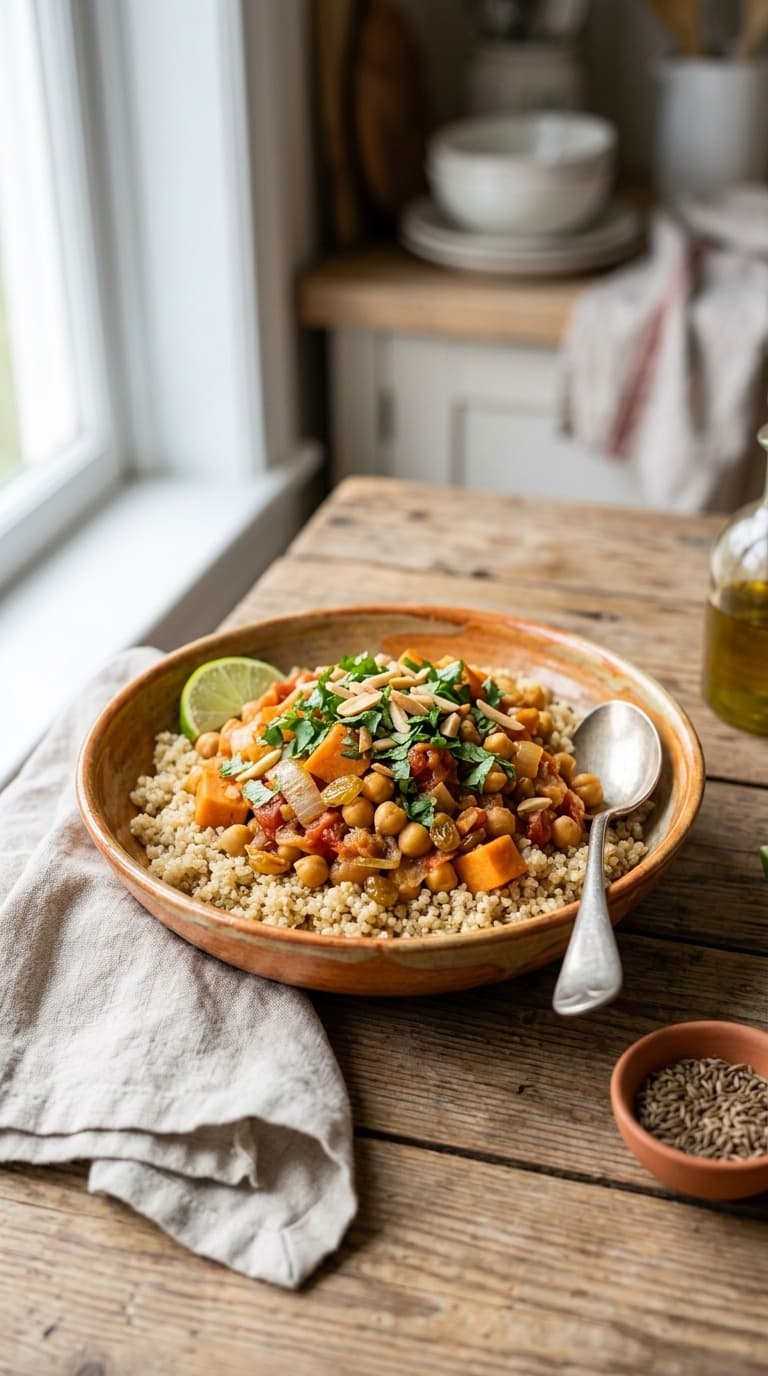
Buddha bowls are basically “throw everything healthy in a bowl and call it a meal,” which is honestly my kind of cooking philosophy. Start with cooked quinoa (complete protein, thank you very much), add roasted sweet potato, steamed broccoli, chickpeas, shredded carrots, and a handful of greens.
Drizzle with tahini dressing (tahini, lemon juice, garlic, water to thin it out) and you’ve got a bowl that’s satisfying, filling, and colorful enough to make you feel like you have your life together. I cook quinoa in bulk using my rice cooker which is honestly a game-changer for meal prep.
Speaking of bowl meals that hit the spot, these low-cholesterol high-protein meals are perfect when you need something more substantial.
Dinner Recipes You’ll Actually Want to Eat
Dinner is where a lot of people struggle with low-cholesterol eating because, let’s be honest, you’re tired and you want comfort food. Good news: you can have both.
Baked Salmon with Herbs
Salmon is basically the poster child for heart-healthy eating, loaded with omega-3 fatty acids that help lower triglycerides. The key is not overcooking it, which is where most people screw up.
Place salmon fillets on a baking sheet lined with parchment paper (seriously, no sticking, no cleanup), drizzle with olive oil, season with dill, garlic, lemon slices, salt, and pepper. Bake at 400°F for 12-15 minutes. That’s it. Serve with roasted Brussels sprouts and quinoa. Get Full Recipe.
Sheet Pan Chicken and Vegetables
Sheet pan dinners are clutch when you’re too lazy to deal with multiple pots and pans. Toss chicken breast (skinless), sweet potato chunks, bell peppers, red onion, and broccoli with olive oil, paprika, garlic powder, and Italian seasoning. Spread on a large sheet pan and roast at 425°F for 25-30 minutes.
Everything cooks together, the vegetables get those nice crispy edges, and you’ve got protein, complex carbs, and tons of vegetables in one go. Zero excuses for not eating well when dinner is this easy. These low-cholesterol chicken recipes take the boring out of poultry night.
Lentil Bolognese
Okay, this one surprised me because I’m not usually into “meat substitute” situations, but lentil Bolognese is legitimately delicious. Sauté onion, garlic, carrots, and celery in olive oil. Add cooked lentils, crushed tomatoes, tomato paste, Italian herbs, and let it simmer.
The texture is remarkably similar to meat sauce, but you’re getting all that plant-based protein and fiber without the saturated fat. Serve over whole wheat pasta and top with a tiny sprinkle of Parmesan. Nobody will even notice it’s not meat. Get Full Recipe.
Stir-Fry Everything
Stir-fries are your friend when you need dinner fast and want to use up random vegetables in your fridge. The formula is simple: protein (tofu, chicken breast, shrimp), tons of vegetables (literally anything works), and a simple sauce of low-sodium soy sauce, ginger, garlic, and a tiny bit of honey or maple syrup.
Cook everything in a good wok with just a tablespoon of sesame oil or olive oil. Serve over brown rice or cauliflower rice if you’re feeling extra virtuous. The high heat and quick cooking mean you get tons of flavor without needing to add much fat.
For more quick weeknight options, these one-pan dinners make cleanup as easy as cooking.
Snacks That Won’t Destroy Your Progress
Let’s talk about snacking because this is where things usually go sideways. You’re doing great all day and then 4 PM hits and suddenly you’re elbow-deep in a bag of chips. Been there.
Nuts (But Portion Them)
Almonds, walnuts, and pistachios are all excellent for heart health—they’re packed with healthy fats, fiber, and plant sterols that help block cholesterol absorption. The catch? They’re also calorie-dense, so portion control matters.
I use these small snack containers and portion out 1/4 cup servings at the beginning of the week. Having them pre-portioned means I’m not accidentally eating half a jar of almonds while working. For more snack ideas that won’t sabotage your efforts, check out these low-cholesterol snacks.
Hummus and Vegetables
This combo never gets old because you can change up the vegetables and different flavored hummus keeps things interesting. Carrot sticks, bell pepper strips, cucumber rounds, snap peas—all fair game.
Hummus gives you protein and fiber from chickpeas, plus tahini adds healthy fats. Just watch the serving size because it’s easy to demolish an entire container without realizing it.
Apple Slices with Almond Butter
This is my “I need something sweet but also want to feel like I made a good choice” snack. Slice up an apple, spread almond butter on each slice. The combination of fiber from the apple and healthy fats from the almond butter keeps you satisfied way longer than just eating the apple alone.
Bonus: almond butter has plant sterols that research shows can help lower LDL cholesterol when consumed regularly as part of a heart-healthy diet.
Kitchen Tools That Make Low-Cholesterol Cooking Actually Easy
Look, I’m not trying to sell you a bunch of stuff you don’t need, but having the right tools genuinely makes eating well way less annoying. Here’s what I actually use and recommend:
- High-Quality Nonstick Pan — Lets you cook with minimal oil without everything sticking. Worth the investment if you’re cooking daily.
- Glass Meal Prep Containers — For overnight oats, buddha bowls, and prepped ingredients. Glass doesn’t stain or hold smells like plastic.
- Kitchen Scale — Super helpful for portion control, especially with calorie-dense healthy fats like nuts and olive oil.
- Meal Planning Template — Printable weekly planner specifically designed for heart-healthy eating. Makes grocery shopping way less chaotic.
- Heart-Healthy Recipe E-Book — Collection of 100+ recipes with nutritional info already calculated. Saves so much time.
- Portion Size Guide — Printable reference for what proper portions actually look like (because we all underestimate).
The Comfort Food Hacks
Here’s the truth nobody tells you about eating for heart health: you’re not going to stick with it if you feel deprived. You need comfort food sometimes, and that’s fine. These are my favorite ways to get that cozy, satisfying feeling without the saturated fat bomb.
Turkey Chili
Chili is perfect because it’s hearty, freezes well, and you can pack in a ridiculous amount of fiber and vegetables without it feeling like “health food.” Use ground turkey instead of beef, load up on kidney beans and black beans, add diced tomatoes, onions, peppers, and all the chili spices you want.
Top with a dollop of Greek yogurt instead of sour cream and some diced avocado. Make a huge batch on Sunday and freeze half—future you will be so grateful. Get Full Recipe. For more warming options, these low-cholesterol soups and stews are clutch for meal prep.
Baked Sweet Potato Fries
Regular fries are basically a saturated fat delivery system, but sweet potato fries baked with olive oil? That’s a different story. Cut sweet potatoes into fries, toss with a tiny bit of olive oil and your favorite seasonings (I’m partial to paprika and garlic powder), and spread on a baking sheet.
Bake at 425°F for 25-30 minutes, flipping halfway. They get crispy on the outside, soft on the inside, and you’re getting beta-carotene and fiber as a bonus. Dip in homemade Greek yogurt ranch (Greek yogurt + ranch seasoning mix) and try to tell me that’s not satisfying.
Veggie Burgers That Don’t Suck
Most store-bought veggie burgers are either mushy sad pucks or they’re packed with weird ingredients and sodium. Make your own with black beans (mashed), quinoa, sautéed onions and mushrooms, breadcrumbs, and an egg to bind. Form into patties and either pan-fry in a tiny bit of olive oil or bake them.
Serve on whole grain buns with all the fixings—lettuce, tomato, pickles, mustard, whatever you want. The texture is actually good, and you’re getting plant-based protein and fiber without the saturated fat from beef. These low-cholesterol vegetarian meals prove you don’t need meat to feel satisfied.
Meal Prep Strategy That Actually Works
Okay, real talk about meal prep because there’s a lot of unrealistic advice out there. You don’t need to spend four hours on Sunday cooking every single meal for the week. That’s exhausting and nobody keeps it up.
What does work: prepping components instead of full meals. Cook a big batch of quinoa, roast a bunch of vegetables, grill several chicken breasts, and make a couple of dressings. Then during the week, you mix and match those components into different meals.
Monday could be quinoa bowl with roasted veggies and chickpeas. Wednesday you use the same quinoa as a side with grilled chicken and steamed broccoli. Friday you toss the leftover vegetables with whole wheat pasta and a bit of olive oil. Same ingredients, different meals, way less boring.
For a complete game plan, these low-cholesterol meal prep ideas take the guesswork out of planning.
The Freezer Is Your Friend
Anything soup-based, chili, lentil bolognese, even cooked grains—throw them in the freezer in single portions. Then when you’re too tired to cook or didn’t plan ahead, you’ve got home-cooked, heart-healthy meals ready to go instead of reaching for takeout.
I use these freezer-safe containers that stack nicely and don’t get freezer burn. Label everything with the date and what’s in it, because three months later you will have no idea what that frozen mystery blob is.
Desserts That Won’t Undo Everything
Let’s address the elephant in the room: dessert. You’re not going to successfully eat healthy long-term if you never let yourself have something sweet. The key is finding desserts that satisfy your sweet tooth without being loaded with butter and cream.
Dark Chocolate and Berries
This is the simplest “dessert” but honestly hits the spot when you just need something after dinner. A few squares of dark chocolate (70% cacao or higher) with fresh strawberries or raspberries.
Dark chocolate actually contains flavonoids that have been linked to improved heart health, and the berries add antioxidants and fiber. Plus, the combination of bitter dark chocolate and sweet berries just works. Keep good quality dark chocolate bars in your pantry for this exact purpose.
Baked Apples with Cinnamon
Core an apple, stuff it with a mixture of oats, a tiny bit of brown sugar, cinnamon, and chopped walnuts, then bake until soft. It tastes like apple pie but you’re basically just eating fruit with a tiny bit of sweetness.
The warm, spiced apple smell fills your whole kitchen and makes it feel like you made a real dessert even though it’s actually pretty healthy. Serve with a small scoop of vanilla Greek yogurt if you want to get fancy. Get Full Recipe.
Banana “Nice Cream”
Freeze ripe bananas, then blend them in a food processor until smooth and creamy. That’s it. It has the texture of soft-serve ice cream and you can add cocoa powder, peanut butter, or vanilla extract for different flavors.
No added sugar, no dairy, just frozen bananas doing their magical transformation. It sounds too simple to be good, but trust me on this one. For more sweet options that won’t wreck your progress, these low-cholesterol desserts are surprisingly satisfying.
What About Dining Out?
You’re not going to eat every meal at home, and that’s fine. The trick to eating out while managing cholesterol is knowing what to look for and what to avoid.
Safe bets: grilled fish or chicken, salads with dressing on the side, vegetable-based sides, anything steamed or roasted. Skip anything fried, creamy sauces, and dishes that are swimming in butter or cheese. Ask for substitutions—restaurants are usually pretty accommodating if you’re polite about it.
Mediterranean and Asian restaurants tend to have more naturally heart-healthy options. Italian can work if you stick to tomato-based sauces instead of cream sauces. Just watch the portion sizes because restaurant servings are usually massive.
If you’re managing meals on the go, these lazy low-cholesterol meals are perfect for those nights when cooking feels impossible.
The Ingredient Swaps That Make a Difference
Small changes add up. Here are the swaps I made that didn’t feel like I was sacrificing anything but made a real difference in my cholesterol numbers:
- Olive oil instead of butter — For cooking and even on toast, you get used to it fast
- Greek yogurt instead of sour cream — Same tangy flavor, way more protein, less saturated fat
- Ground turkey instead of ground beef — In tacos, chili, or pasta sauce, honestly tastes the same with the right seasoning
- Almond milk instead of whole milk — Works in everything from oatmeal to smoothies
- Whole grain pasta instead of regular — More fiber, keeps you fuller longer
- Avocado mash instead of mayo — On sandwiches and wraps, adds creaminess without the saturated fat
None of these swaps feel like deprivation once you get used to them. Your taste buds adapt faster than you think. For more practical swaps and recipe ideas, check out these foods that naturally lower cholesterol.
Making It Sustainable
The biggest mistake people make with dietary changes is going too extreme too fast. You’re not going to eat perfectly every single day, and that’s okay. The goal is to make choices that support your heart health most of the time, not to be perfect.
I follow what I call the 80/20 rule—80% of the time I’m eating these low-cholesterol, nutrient-dense meals. The other 20% I’m having pizza with friends or birthday cake or whatever. Life happens. The key is that the majority of your choices support your health goals.
Also, get your cholesterol checked regularly so you can actually see if what you’re doing is working. Nothing motivates like seeing those numbers improve because of changes you made. My LDL dropped 35 points in three months just from consistently making better food choices—no medication needed.
If you’re looking for variety in your weekly rotation, these recipes you can rotate weekly keep things fresh without getting bored.
The Kitchen Staples Worth Having
Having the right ingredients on hand makes healthy cooking infinitely easier. These are the staples I always keep stocked:
- Extra virgin olive oil — For cooking, dressings, everything
- Canned beans — Chickpeas, black beans, kidney beans—instant protein and fiber
- Frozen vegetables — Just as nutritious as fresh, way less waste
- Quinoa and brown rice — Whole grains that keep forever
- Nuts and seeds — Almonds, walnuts, chia seeds, flax seeds
- Canned tomatoes — Base for so many sauces and soups
- Low-sodium broth — Chicken and vegetable, for cooking grains and making soups
- Garlic, onions, lemons — Flavor builders for basically everything
- Spices — Especially cumin, paprika, garlic powder, Italian herbs, cinnamon
With these basics, you can throw together a healthy meal even when you haven’t been to the grocery store in a week. It’s the difference between ordering takeout or making something decent at home.
For pantry-friendly options that won’t disappoint, these recipes with whole foods focus on simple, recognizable ingredients.
When You’re Traveling or Super Busy
Life gets hectic. You’re not always going to have time to make elaborate meals, and sometimes you’re on the road. That’s when you need backup strategies.
For travel: I pack single-serve nut butter packets, protein bars that aren’t loaded with sugar, instant oatmeal cups, and tea bags. Airport and gas station food is usually terrible for heart health, so having something decent to fall back on saves you.
For busy weeks: keep frozen salmon fillets or chicken breasts that you can quickly thaw and cook. Bagged salad greens, pre-cut vegetables, and rotisserie chicken (remove the skin) from the grocery store are totally valid shortcuts. Nobody gets extra points for chopping their own vegetables if it’s the difference between eating well and ordering pizza.
These freezer meals are lifesavers for those weeks when everything goes sideways.
Frequently Asked Questions
Can I eat eggs if I have high cholesterol?
Yes, for most people, eating one to two eggs per day is fine as part of a heart-healthy diet. Current research shows that dietary cholesterol from eggs has less impact on blood cholesterol than previously thought. The bigger concern is limiting saturated and trans fats. Just skip the bacon and butter you’d typically cook them in, and load up on vegetables alongside your eggs.
How quickly can dietary changes lower cholesterol?
Most people see measurable improvements in 4-12 weeks with consistent dietary changes. Some people notice changes even faster—I personally saw a significant drop in three months. The key is actually sticking with it consistently, not being perfect for two weeks and then giving up. Small, sustainable changes beat extreme diets that you can’t maintain.
Are plant-based proteins as good as meat for lowering cholesterol?
Actually, plant-based proteins like beans, lentils, and tofu can be even better for cholesterol management because they contain zero cholesterol and are naturally low in saturated fat. They’re also packed with soluble fiber, which actively helps remove cholesterol from your system. You don’t have to go completely vegetarian, but swapping in plant proteins a few times a week makes a real difference.
What’s the single most effective food for lowering cholesterol?
There’s no magic bullet, but oats are probably the closest thing. They contain beta-glucan, a type of soluble fiber that’s been proven to lower LDL cholesterol. Eating a serving of oatmeal daily (like those overnight oats we talked about) is one of the easiest, most research-backed things you can do. Add walnuts and berries for even more cholesterol-fighting power.
Do I need to avoid all saturated fat completely?
No, you don’t need to be extreme about it. The American Heart Association recommends limiting saturated fat to less than 6% of your daily calories, not eliminating it entirely. That means you can still have cheese occasionally or a bit of butter here and there—just make most of your fat intake come from healthier sources like olive oil, nuts, and fatty fish. It’s about balance, not perfection.
Final Thoughts
Look, managing cholesterol through diet isn’t about eating bland, boring food for the rest of your life. These 30 recipes prove you can eat food that actually tastes good while taking care of your heart. The key is finding a sustainable approach that works for your life—not trying to follow some perfect plan that makes you miserable.
Start with a few recipes that sound good to you, make them part of your regular rotation, and build from there. Pay attention to how you feel—more energy, better digestion, maybe even some weight loss as a nice side effect. And yeah, get your cholesterol checked so you can see the actual results of your efforts.
Your future self will thank you for making these changes now. Heart disease runs in my family, and I’m not interested in becoming another statistic. These recipes are how I take control of that narrative, one meal at a time. They work for me, they’ll work for you too.
30-Day Cholesterol-Lowering Meal Plan
A simple step-by-step system to help you eat heart-healthy every day without stress.
Over 1,000 people downloaded this guide
$29$9
Get Instant Access